
Last updated November 15, 2026
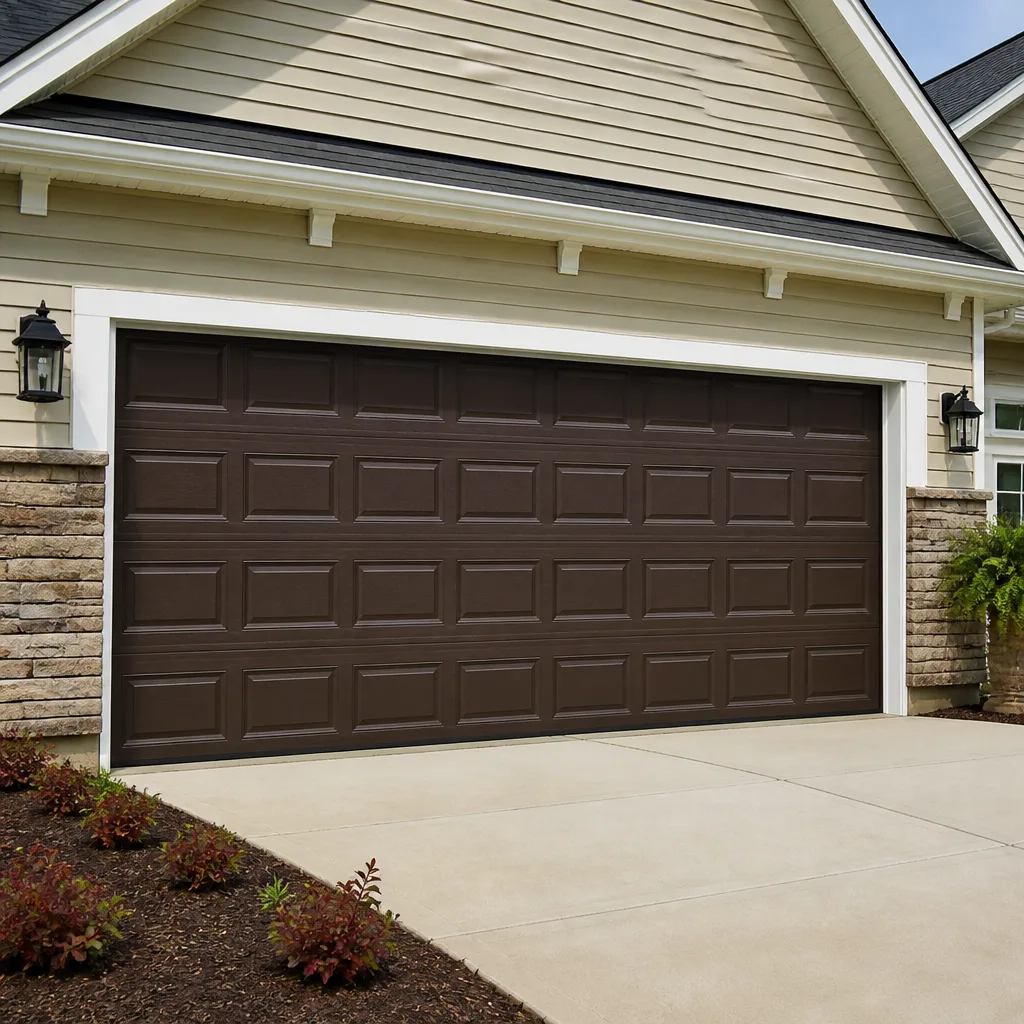 Raised-panel steel
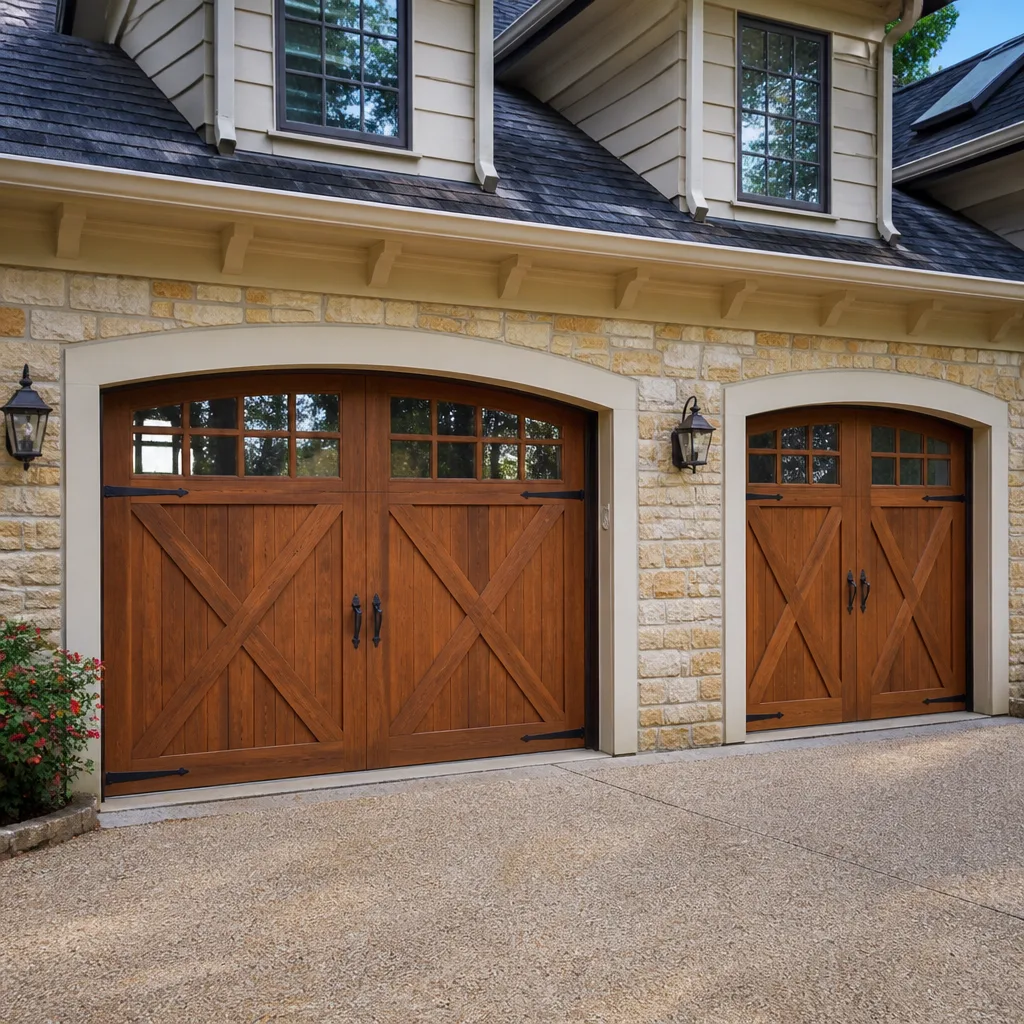 Carriage house
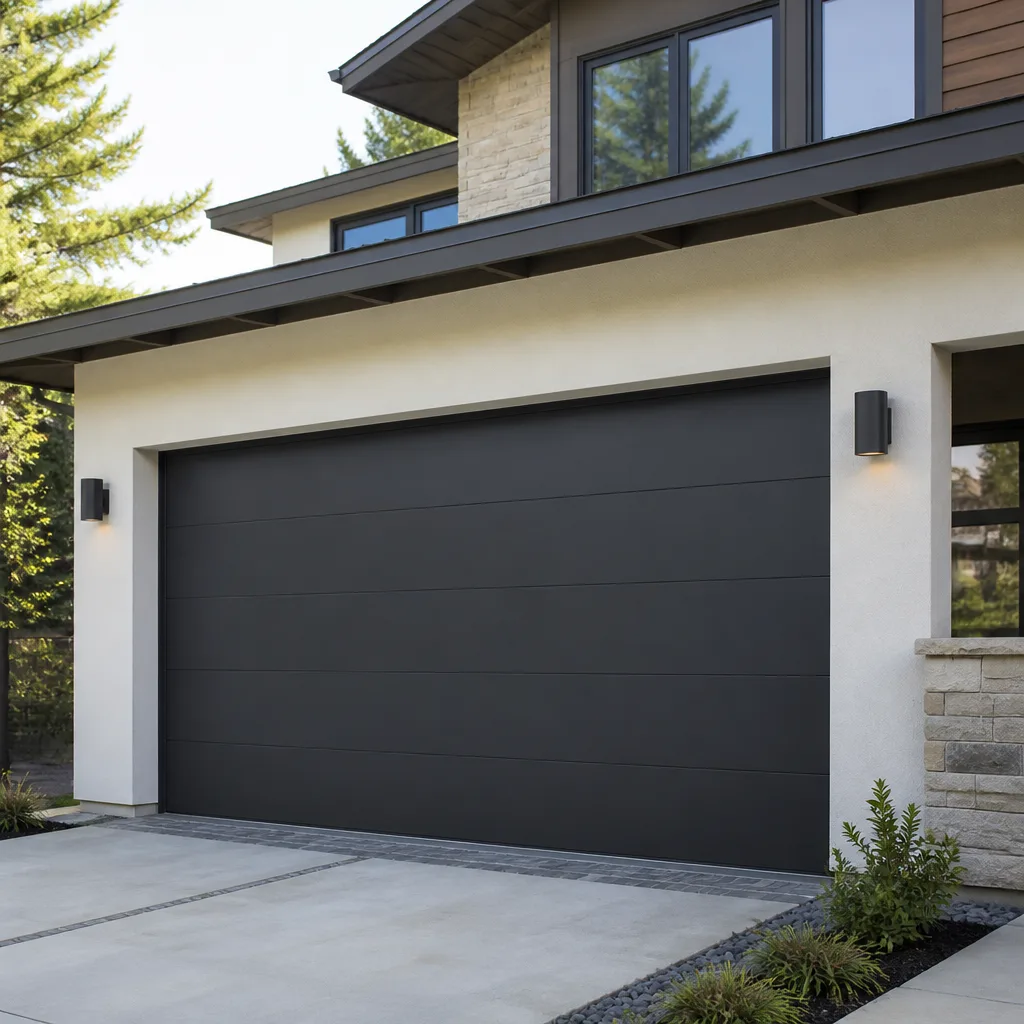 Modern flush
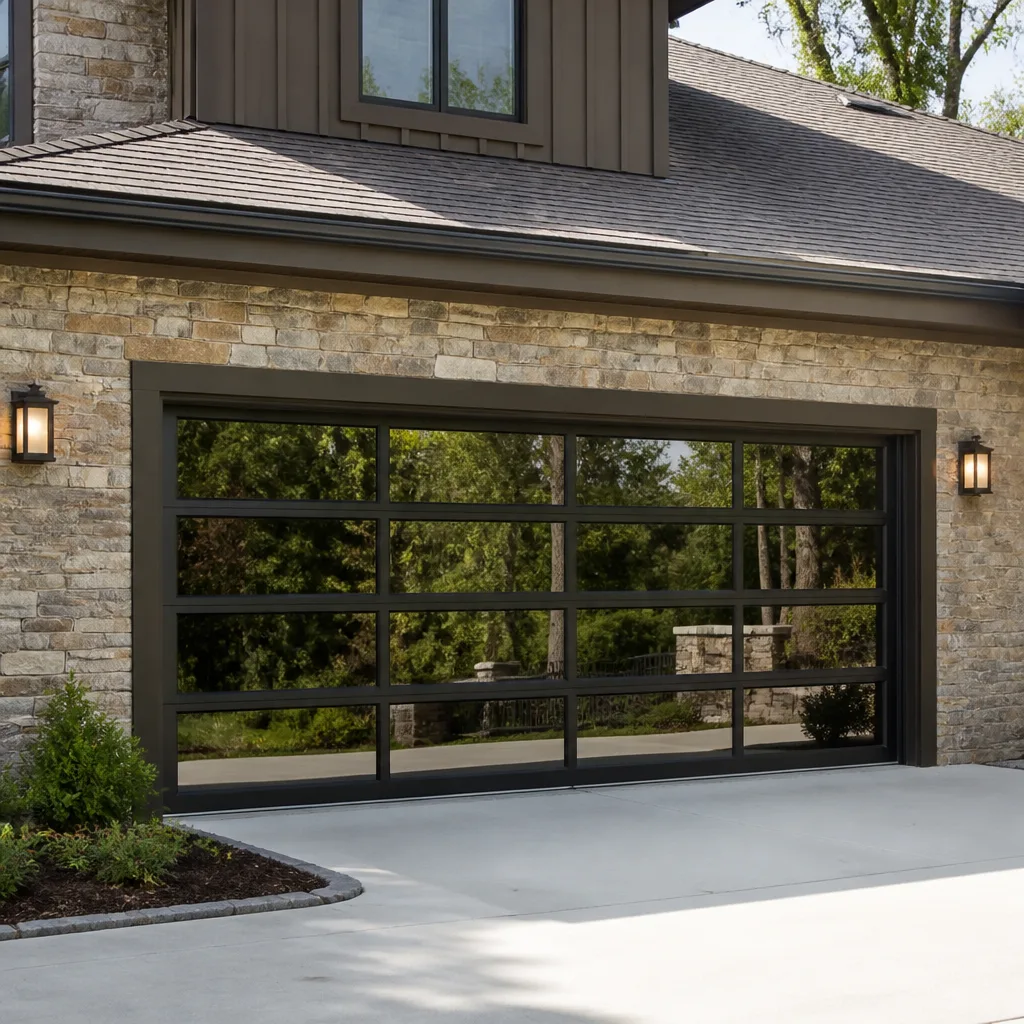 Full-view glass
 LiftMaster openers
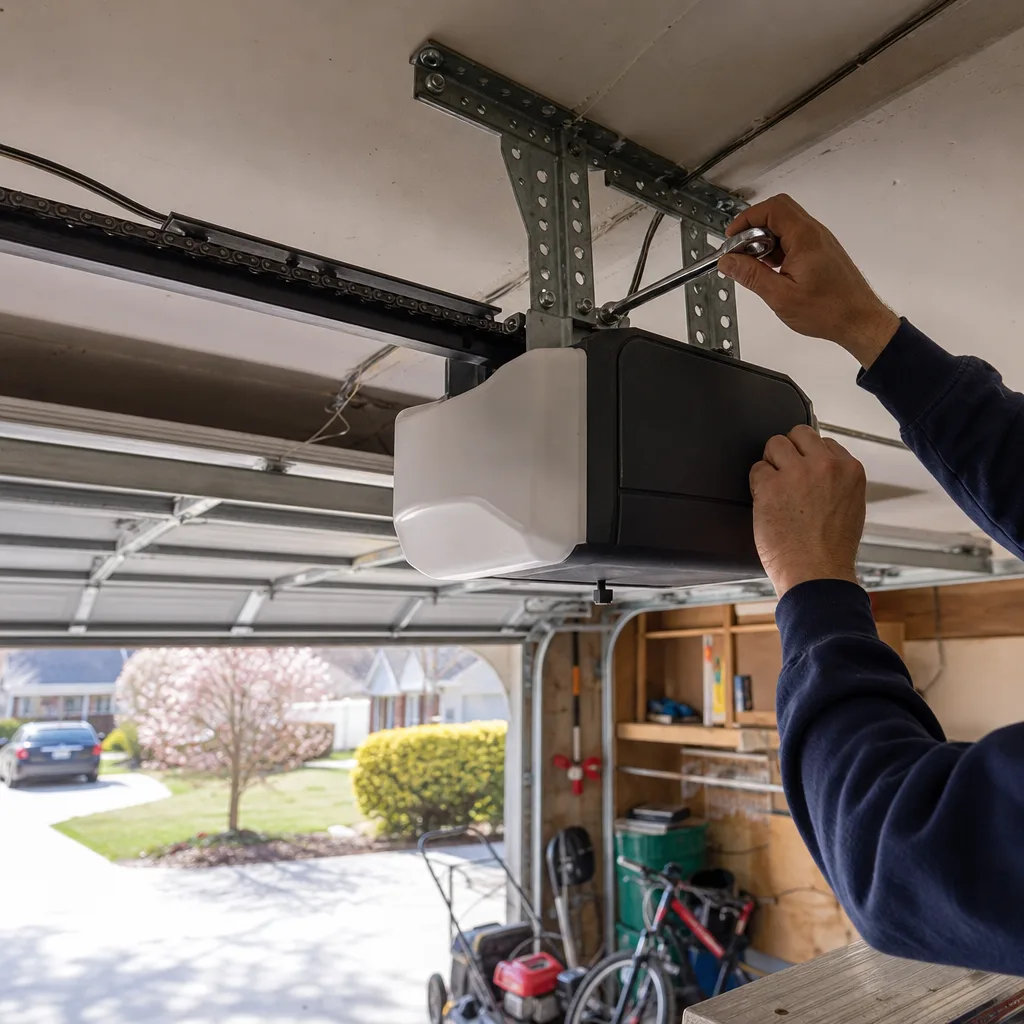
 Chamberlain openers
Full 25-point door and opener safety check with every visit - springs, cables, rollers, tracks, and your LiftMaster or Chamberlain opener included
You get a price before we start. It does not change when the pro arrives.
Get your free estimateGarage Door Permits, Codes & Inspections in Chesapeake, VA: What You Need to Know
Most Chesapeake homeowners assume a garage door is a homeowner’s private business, the same way a new front door or a rebuilt deck is. It usually isn’t. A garage door is the largest moving object on a house, it’s a structural opening in the building envelope, and in Virginia that opening sits close to the top of the list of items a building department watches. Replacing a door without the permit when one is required can follow the house for years, surfacing at the exact moment you least want a problem: a buyer’s inspection or an insurance adjuster’s review. This guide walks through when Chesapeake’s building department expects a permit, which parts of the state code apply to garage doors, how the inspection actually runs, and what paperwork to keep when the job is done.
Quick Answer
In Chesapeake, VA, a garage door replacement that is like-for-like (same size, same opening, same door type, no structural change) is generally treated as ordinary maintenance and usually does not require a permit. A new structural opening, a change in the size of an existing opening, or a swap that changes the door’s rated performance (such as adding a fire-rated door between the garage and living space, or changing how the door meets wind load requirements) does trigger a building permit and an inspection. When in doubt, call the City of Chesapeake’s building department and describe the job in plain terms before anyone orders a door.
Styles & brands we work with
- Raised-panel steel
- Carriage house
- Modern flush
- Full-view glass
- LiftMaster openers
- Chamberlain openers
Table of Contents
- When does a garage door job need a permit in Chesapeake?
- Which Virginia code sections apply to garage doors?
- How the inspection process works in Chesapeake
- HOA approval vs. building permit: two separate processes
- Wind load and coastal Virginia construction reality
- The fire-rated door between your garage and your house
- What paperwork to keep after a permitted installation
- When to call a professional
When does a garage door job need a permit in Chesapeake?
Here’s the working rule we hand homeowners: if the door is going back into the same hole, at the same size, doing the same job, you’re usually in maintenance territory and a permit isn’t triggered. If the hole itself is changing, or the door’s performance rating is changing, treat it as construction and expect a permit. Chesapeake’s building department follows the Virginia Uniform Statewide Building Code, which is what sets this threshold. It is not a Chesapeake-only rule, but Chesapeake enforces it the way every Virginia locality does.
The typical triggers:
- New structural opening. Cutting a new opening in a wall for a garage door, or adding a garage bay that didn’t exist, needs a permit and a framed, inspected structure before the door goes on.
- Changing the size of an existing opening. Widening a single-car opening for a double door, or raising the header height, changes the structural load path. Permit required.
- Changing the door’s rated function. Swapping an ordinary door for a fire-rated door between the garage and the house, or changing the wind-load rating of the assembly to meet a design requirement, is a code item, not a cosmetic swap.
- Like-for-like replacement. Same rough opening, same door size, same material category, no framing change. Usually maintenance, usually no permit.
- Opener replacement or repair. The opener is an appliance, not a structural element. A new opener, a new motor, or new safety sensors don’t trigger a building permit.
- Track, spring, cable, and panel repair. Repair work on an existing door and its hardware is maintenance. No permit.
The line between “maintenance” and “construction” isn’t always obvious from the driveway. A homeowner changing from a standard raised-panel steel door to a full-view glass door of the same dimensions sounds like a same-size swap, but the weight, the wind-load behavior, and the reinforcement requirements can change. That’s the kind of call we make before quoting: what’s going through that opening, and does the city need to see it? For a job that stays in replacement territory, our garage door repair team can typically handle it as a straightforward swap. For anything that touches the structure, you’ll want to talk to the building department first.
Which Virginia code sections apply to garage doors?
Virginia’s Uniform Statewide Building Code (USBC) is the document Chesapeake’s inspectors work from. It’s a statewide code, so the rules are the same in Chesapeake as they are in Norfolk, Suffolk, or Virginia Beach. You don’t need to read the code yourself, but knowing what it covers explains why some jobs get a permit and others don’t. Three areas matter most for garage doors.
1. Wind load compliance
Virginia’s code requires garage doors and their assemblies to resist the design wind pressures for the location. That’s not a Chesapeake-only concern or a coastal-tip-of-the-state concern; it’s the code statewide. A garage door that isn’t rated for the pressure it will see can bow, come out of its tracks, or fail entirely during a high-wind event. When a permit is required, part of what the inspector verifies is that the door and its reinforcement match the approved design.
2. Automatic opener safety
Automatic garage door openers are required to have entrapment protection. In practice that means an operator that reverses on contact and photo-eye sensors mounted near the floor that stop or reverse the door if something breaks the beam. This is a code requirement, not a brand feature. Every opener we work on is checked against it, and any homeowner with young children or pets should verify the sensors work before relying on the door unattended. Our garage door opener repair covers this on every call, because a door that closes on a child or a pet is the most serious failure a garage system can have.
3. Fire-rated doors between garage and living space
Where a garage is attached to the house and shares a wall with living space, the code expects a fire separation between the two. That separation includes the door between the garage and the house (where there is one). Fire-rated assemblies have a rating printed on the label, and swapping in a door that doesn’t carry the rating voids the assembly’s protection. If you’re replacing an interior door that opens from the garage into a hallway or kitchen, that’s a fire-rated door, not a garage door in the ordinary sense, and it has its own requirements. Say so when you quote the job and it’ll be handled correctly.
If you want to read the source, the USBC is available through Virginia’s Department of Housing and Community Development. Most homeowners don’t need to, but inspectors cite it line by line, so knowing the general shape helps.
How the inspection process works in Chesapeake
A permitted garage door job runs through a short, predictable sequence in Chesapeake. Miss a step and the job sits unfinished, so it’s worth understanding the order before anyone starts. Here’s the general flow we walk homeowners through:
- Confirm whether a permit is required. Call the City of Chesapeake’s building department, describe the job in plain language (new opening, size change, or like-for-like replacement), and ask directly. They’ll tell you what’s needed faster than any website can.
- Submit the permit application. For a garage door, this is usually a residential building permit. Expect to provide the address, a scope of work, and product information on the door assembly you’re installing. Where the door is changing the wind-load or fire rating of the opening, plan drawings may be requested.
- Receive the permit and the approved scope. The permit names the work authorized. Work done outside that scope isn’t covered by the inspection.
- Install the door and assembly. The installation happens to the approved design. Ordering the door to the wrong wind rating, or a different model than the one listed on the permit, is a common reason an inspection gets held up.
- Schedule the inspection. The homeowner (or the installer, on the homeowner’s behalf) calls to schedule. The inspector checks the door, its anchoring, the reinforcement, the opener’s safety features where applicable, and whether the installed assembly matches the permit. Turnaround depends on the department’s current schedule, so ask when you call.
- Get the sign-off. Once it passes, the inspection result is recorded against the permit. Keep the paperwork. It’s the proof the work was done legally.
Timing matters because a garage door sitting in the driveway with no inspection scheduled is an open permit on the property. Not a disaster, but not a state you want to be in when you’re listing a house.
HOA approval vs. building permit: two separate processes
This is the single most common confusion we come across in Chesapeake. An HOA’s architectural review and the city’s building permit are entirely different approvals, run by entirely different entities, and one does not substitute for the other. You can have HOA approval and still need a permit. You can have a permit and still be in violation of your HOA covenants if you install a door the architectural committee didn’t approve.
The two run parallel, and both have to be satisfied:
- The building permit is the city’s business. It’s about life safety, structural integrity, wind load, fire separation, and code compliance. It’s enforced by inspectors and its violations can complicate a sale or an insurance claim.
- The HOA architectural approval is your neighborhood’s business. It’s about appearance and consistency: door style, color, panel pattern, sometimes the window configuration. The submission usually requires a product spec sheet and a photo or rendering of the door in place.
In communities around Great Bridge, Hickory, and Western Branch, the HOA approval can take longer than the permit process. We’ve seen the door arrive ready to install while the HOA is still reviewing the color. Get the HOA submission started early. The easiest mistake to make is assuming “the city doesn’t require a permit” means “nobody cares what door goes on.” That’s not how it works.
Wind load and coastal Virginia construction reality
Chesapeake sits in a wind zone that requires garage door assemblies to be rated for the pressures a serious wind event can produce. That’s a construction fact, not a scare tactic. The practical effect of it comes down to two things: the door’s design pressure rating, and how the door and its tracks are anchored to the framing. A standard door intended for a calmer zone, installed here without reinforcement, is not the same assembly as a rated door installed correctly.
When a permit is required and wind-load compliance is part of the design, the inspection verifies that the installed assembly matches what was approved. The most common failure we see on permitted installs isn’t the door; it’s the anchoring. Reinforcement struts, proper bracket attachment through the framing, and correct track anchoring are all part of passing. A door that “looks fine” and passes no wind-load review can still be a solved problem, but only if it’s doing the job the code requires of it in Chesapeake.
This is one of the places where brand-neutral expertise matters. Some brands publish clear design pressure tables and reinforcement options for their door families; we work with Highpoint Garage Door Service across Amarr, Wayne Dalton, Craftsman, and Raynor doors, along with the other major lines homeowners actually own, so we can pull the right data sheet rather than insist on a single brand’s product line. The question isn’t “which brand do we prefer,” it’s “which door at what rating actually belongs in this opening.”
The fire-rated door between your garage and your house
If your garage is attached to the house and has a door leading from the garage into the living space, that door is a fire-rated assembly. It exists to slow a fire long enough for people to get out. It’s not an ordinary interior door with a nicer handle. Replacing it with a door that doesn’t carry the fire rating is a code violation, and it’s the kind of thing that surfaces in a home inspection quickly because the rating label is supposed to be visible on the door.
Two things to check if you’re replacing one:
- The label. A fire-rated door has a rating label from a recognized listing agency. If the label isn’t there, the door isn’t rated, no matter how it’s built.
- The frame and hardware. The rating covers the door, the frame, and the closing mechanism together. A fire-rated door in a non-rated frame or with a non-rated closer is not a compliant assembly.
Fire-rated doors between the garage and living space require a permit in Chesapeake, and the inspection is separate from anything to do with the overhead door. Keep the two jobs distinct on your paperwork so the city doesn’t have to guess what’s being inspected.
What paperwork to keep after a permitted installation
The permit isn’t the document that matters at closing. The sign-off is. And a smart homeowner keeps a small file of records for every permitted garage door job, because the day will come when someone will ask.
Here’s the short list of what to retain:
- The building permit number and the inspection sign-off. This is the proof that the work passed. Save it as a PDF on your own devices, not just in a folder somewhere in the garage.
- The product spec sheet for the installed door and opener. Model number, design pressure rating, and the manufacturer’s documentation. An insurance adjuster will want this if a wind event damages the door.
- The installation invoice or work order. It establishes when the job was done and by whom, which most insurance carriers and title companies want to see.
- Photographs of the installed assembly. A photo of the door, the opener, the reinforcement, and the track anchoring. Ten minutes of photographs save hours of guessing later.
- Any HOA approval correspondence. Separate from the permit, but handy to have in the same file if a future buyer’s HOA wants proof.
At resale, a Chesapeake buyer’s inspector is going to look at the garage door. So is a title company, and so is an insurance underwriter. Every one of those reviews is easier when the paperwork sits in a single file. Every one is harder when the only evidence the work was done is the fact that it’s there.
Common Mistakes to Avoid
- Skipping the call to the building department because the door “fit fine.” Fitting the opening isn’t the test. Whether the opening itself changed is. Call before ordering.
- Assuming a like-for-like swap is always maintenance. A same-size swap that changes the door’s rating (wind load, fire rating, weight) is a code item even if the dimensions match.
- Confusing HOA approval with a permit. They’re separate processes. You can be fine with one and out of compliance with the other. Get the HOA submission started early; it’s the longer wait in most Chesapeake neighborhoods.
- Installing a door on the approved permit but with a different model. If the permit lists a specific door and rating, install that door. A substitution that doesn’t match trips the inspection.
- Replacing a fire-rated door between the garage and the house with a standard interior door. The rating label is the point. Keep the assembly intact, frame and hardware included.
- Not keeping the inspection sign-off. The permit process ends when the inspection passes, but a future buyer won’t know that unless you can prove it. Keep the paperwork.
- Hiring a generalist for a job that touches the structure. A garage door specialist knows how the assembly meets the wind-load and fire-rating requirements of the code. A handyman usually doesn’t, and the inspection shows it.
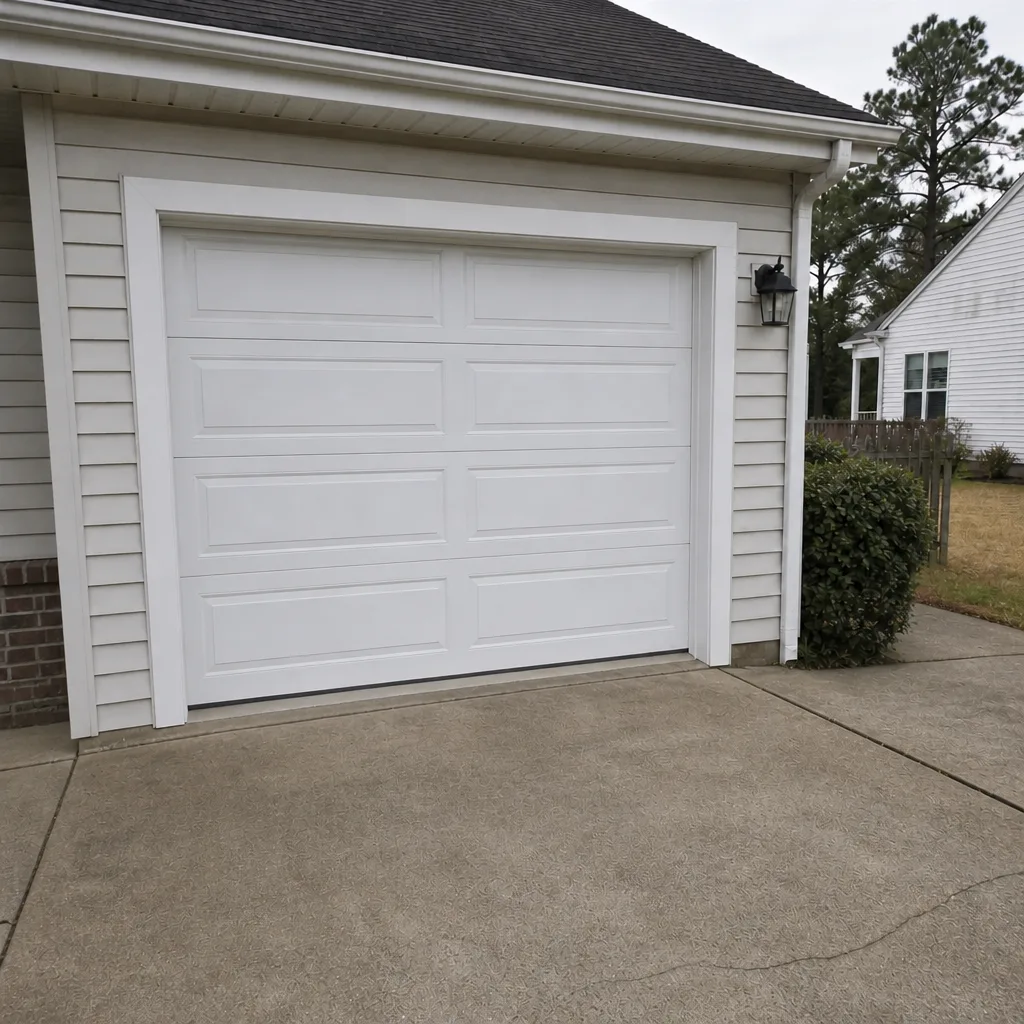
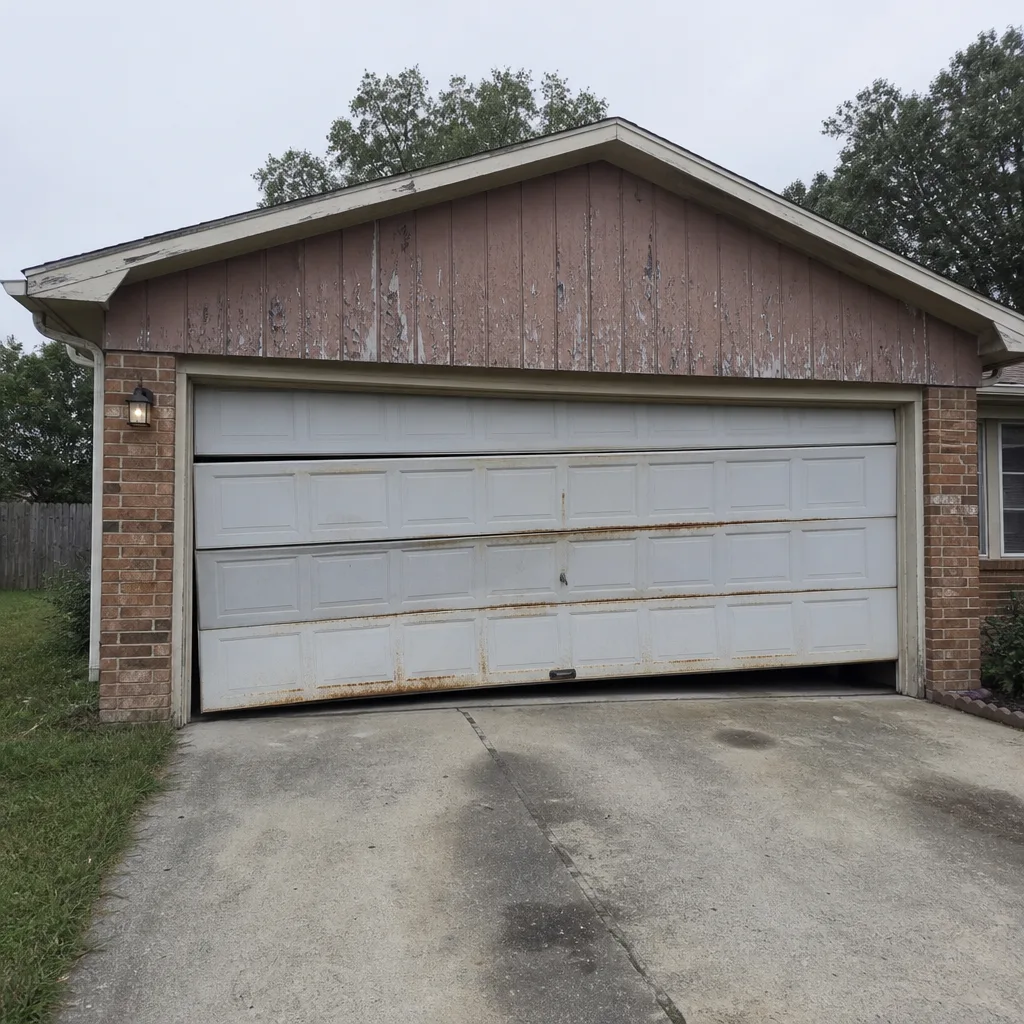
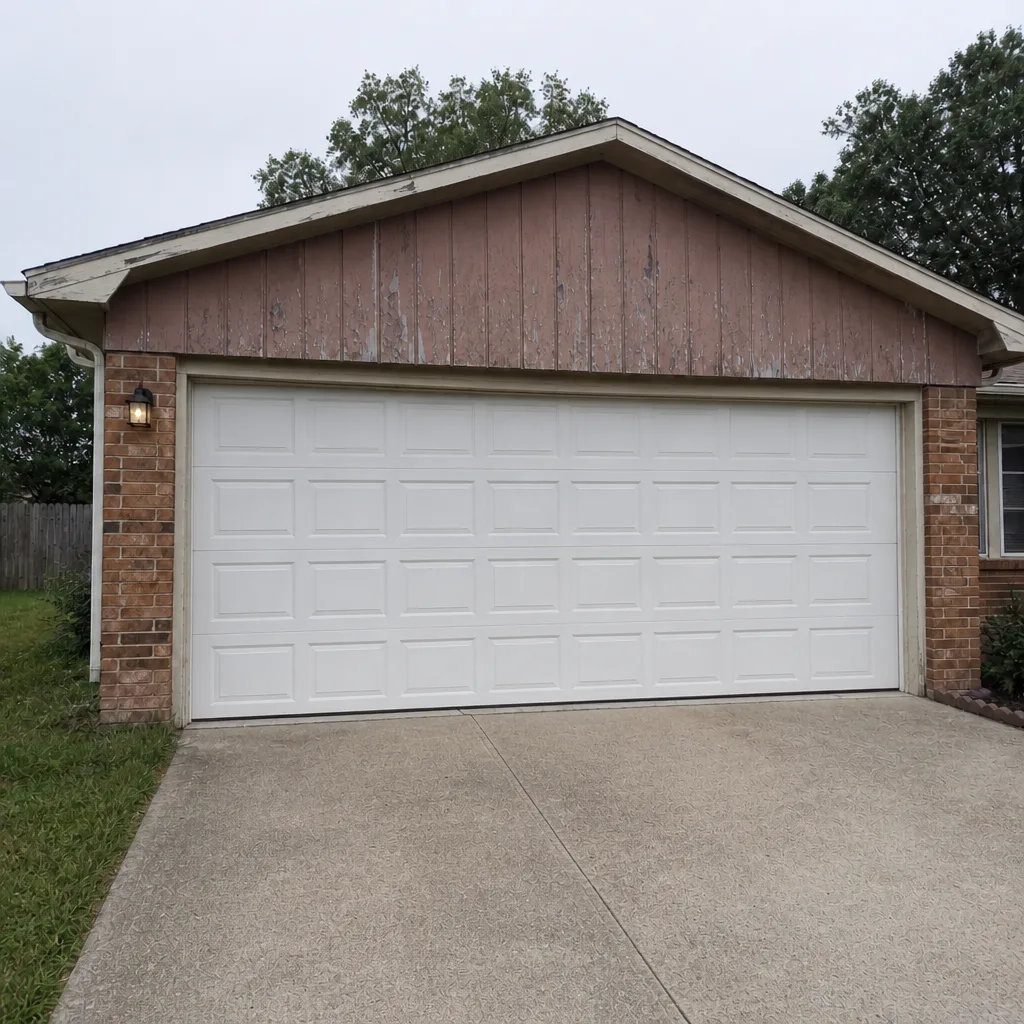
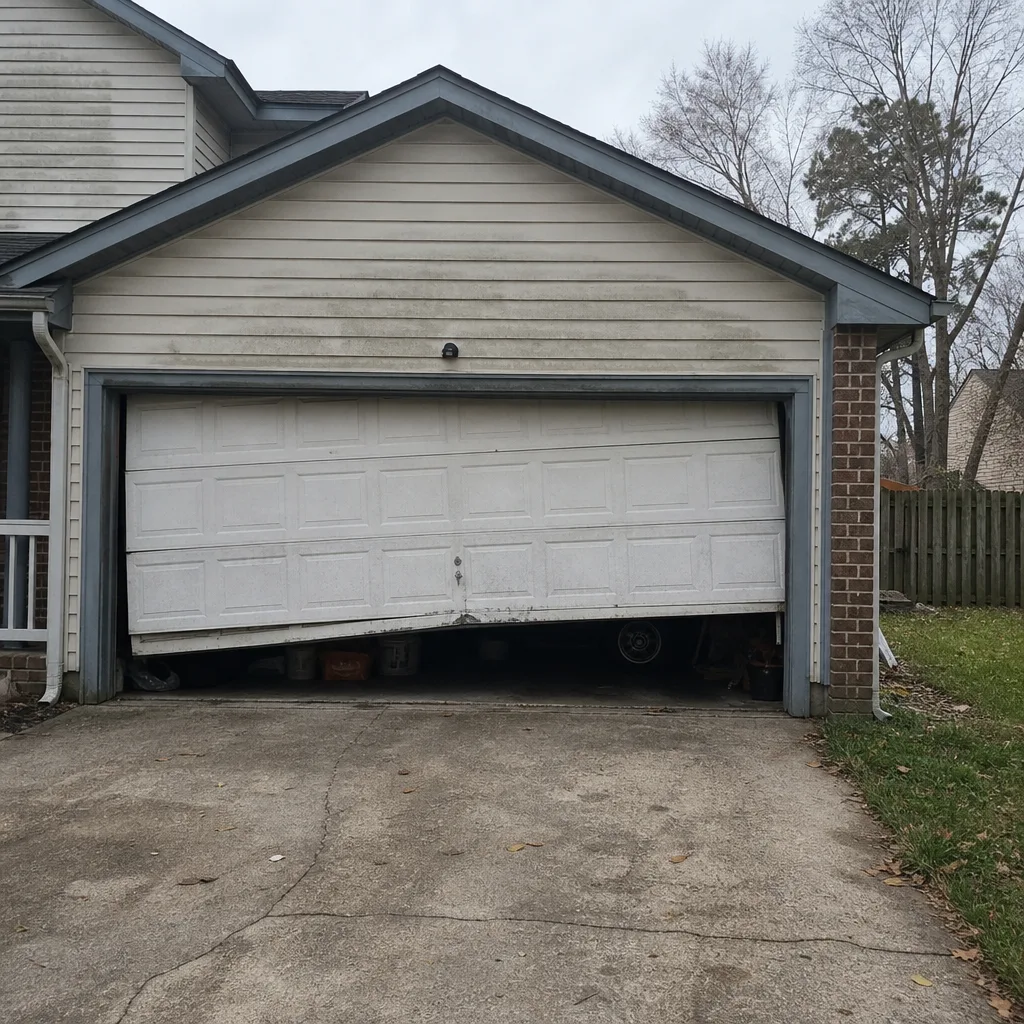
See the difference
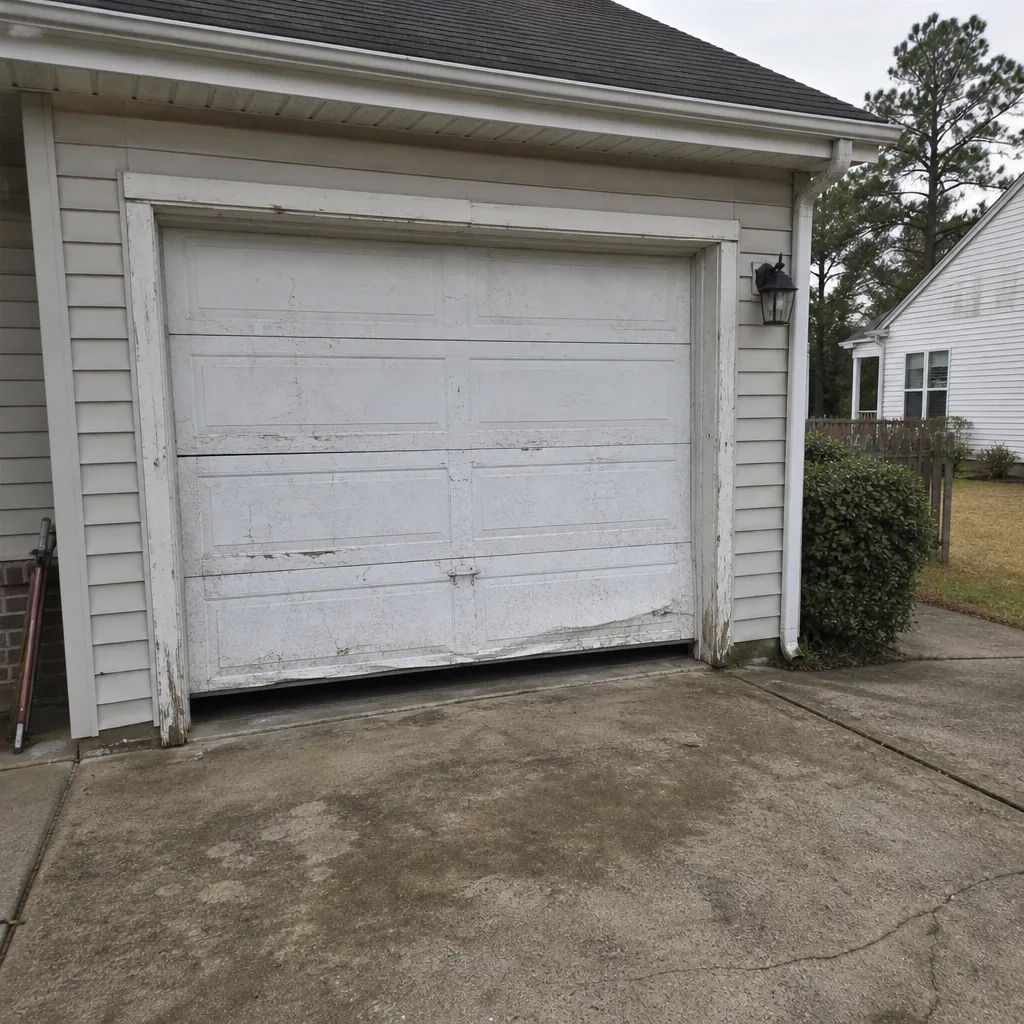 Before
 After
 Before
 After
 Before
 After
When to Call a Professional
Call a specialist when the job leaves the driveway. Spring and cable work on a garage door is dangerous enough that we won’t describe how to do it, because a homeowner under a loaded torsion spring can be badly hurt in seconds. Anything involving the opener’s electronics or safety sensors is worth a trained technician’s eye, especially if you have young children or pets and rely on the reversing safety features being correct. And anything touching the structure of the opening, the wind-load assembly, or a fire-rated door between the garage and the living space, belongs with someone who understands what the inspector will look at. Highpoint Garage Door Service offers free estimates in Chesapeake, so a conversation about scope costs nothing. Call (877) 309-4107. We answer 24/7. Fast dispatch from 7am to 7pm, Sunday through Friday.
Frequently Asked Questions
Usually not for a like-for-like replacement where the opening stays the same size and the door’s ratings don’t change. You do need one when a new structural opening is cut, an existing opening is resized, or the door’s fire rating or wind-load rating is changing. Call the City of Chesapeake’s building department and describe the job before ordering the door; that single call settles it. Call (877) 309-4107 for a free estimate on the door work itself.
Permit fees are set by the City of Chesapeake and depend on the scope, so we can’t quote one for you here. Ask the building department when you call them; they’ll give you the current fee for a residential garage door permit. Our quotes cover the door and installation, and we’ll walk you through what the city typically requires so there are no surprises. Call (877) 309-4107 for a free estimate.
The homeowner or the installer acting on the homeowner’s behalf schedules it once the door is installed to the approved design. The inspector then checks the installed assembly against the permit: door, anchoring, reinforcement, opener safety features where relevant, and ratings. Turnaround depends on the department’s current schedule, so ask when you schedule. Call (877) 309-4107 if you need a hand understanding what the inspection covers.
No. They’re entirely separate. The HOA architectural committee reviews appearance (style, color, panel pattern) and the city issues the building permit for code and safety compliance. One doesn’t substitute for the other, and in many Chesapeake neighborhoods the HOA review takes longer. Start the HOA submission early rather than after the door is ordered. Call (877) 309-4107 for a free estimate on the door and installation.
The work is unpermitted, and that fact can surface at resale or during an insurance claim review. Buyers’ inspectors and title companies look for unpermitted structural modifications, and a garage door opening is exactly the kind of item that gets flagged. The fix is to permit the work after the fact (which may require opening the assembly up for inspection), but the clean path is to permit it before install. Call (877) 309-4107 if you’re not sure whether your job needs one.
Any major brand can be spec’d to meet the wind-load and fire-rating requirements of the Virginia Uniform Statewide Building Code when the right door and assembly are chosen. We install and repair across Amarr, Wayne Dalton, Craftsman, Raynor, Clopay, LiftMaster, Chamberlain, and Genie, and we pick the door based on the opening and the rating it needs, not on brand preference. Call (877) 309-4107 for a free estimate in Chesapeake.
The Bottom Line
A garage door permit in Chesapeake, VA, is a straightforward process when it’s done in the right order: confirm what the city requires, get the paperwork approved, install to spec, get the inspection signed off, and keep the file. The jobs that run into trouble are the ones where the permit threshold is guessed at rather than checked, or where the HOA approval is skipped because the homeowner assumed it was the same thing as a permit. Like-for-like replacement usually doesn’t need either; structural changes and rating changes need both to be handled properly. When the work is yours and the paperwork is the door’s, the sequence is worth doing right the first time.
If you’re working through a garage door job in Chesapeake and want a straight answer on scope, we’re happy to help. A specialist who works on doors every day knows what a door has to do in a Chesapeake opening. From repair to full replacement, our technicians have up to 15 years of experience, and we work on whatever brand of door and opener you actually own. For a free estimate on a door, an opener, or a repair, call (877) 309-4107. We answer 24/7. Fast dispatch from 7am to 7pm, Sunday through Friday.
Written by the team at Highpoint Garage Door Service.