
Last updated November 15, 2026
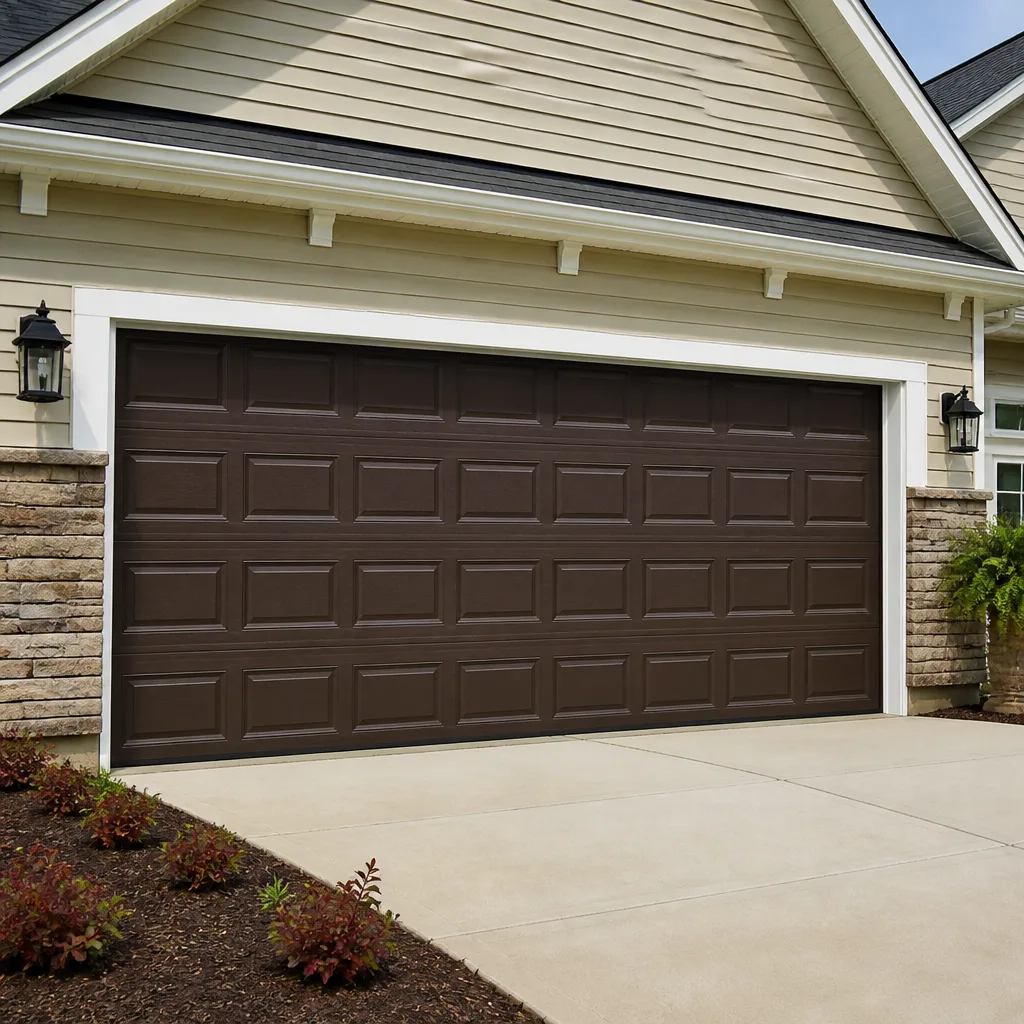 Raised-panel steel
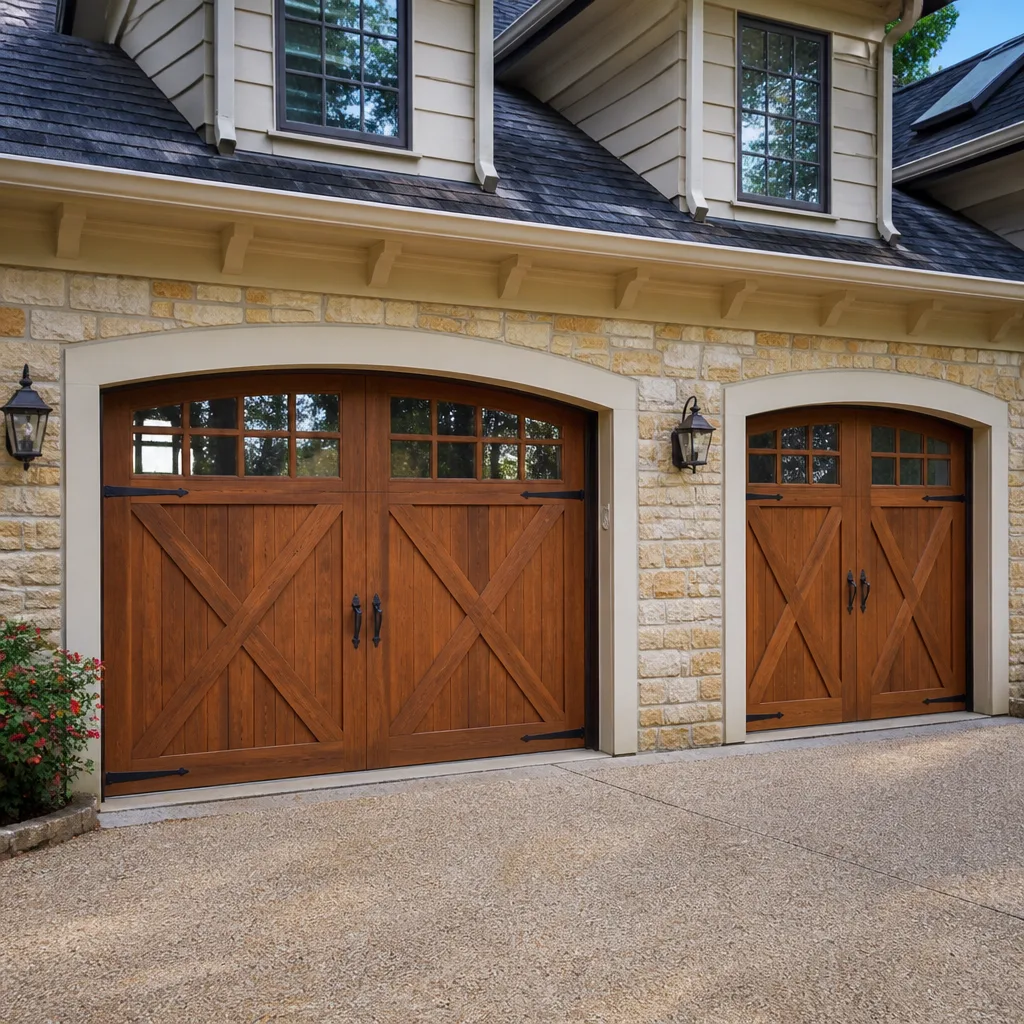 Carriage house
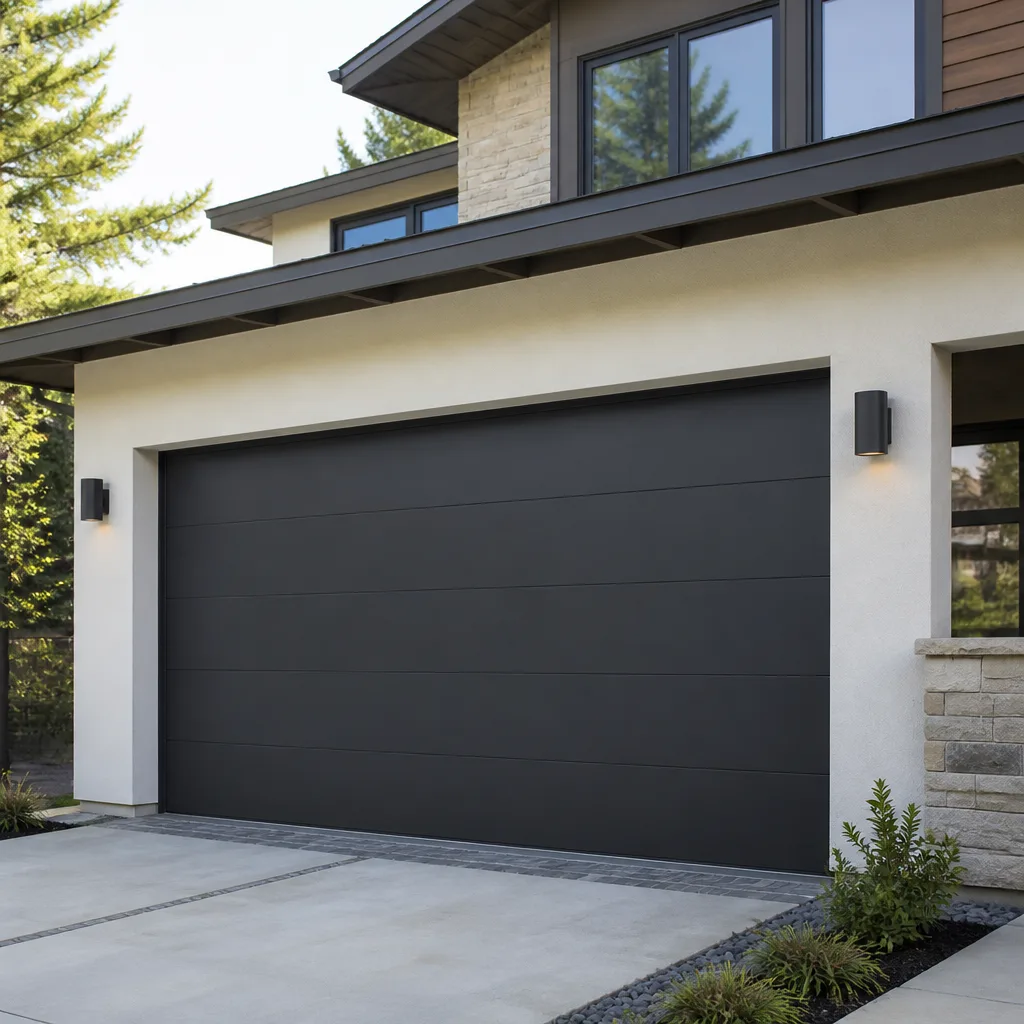 Modern flush
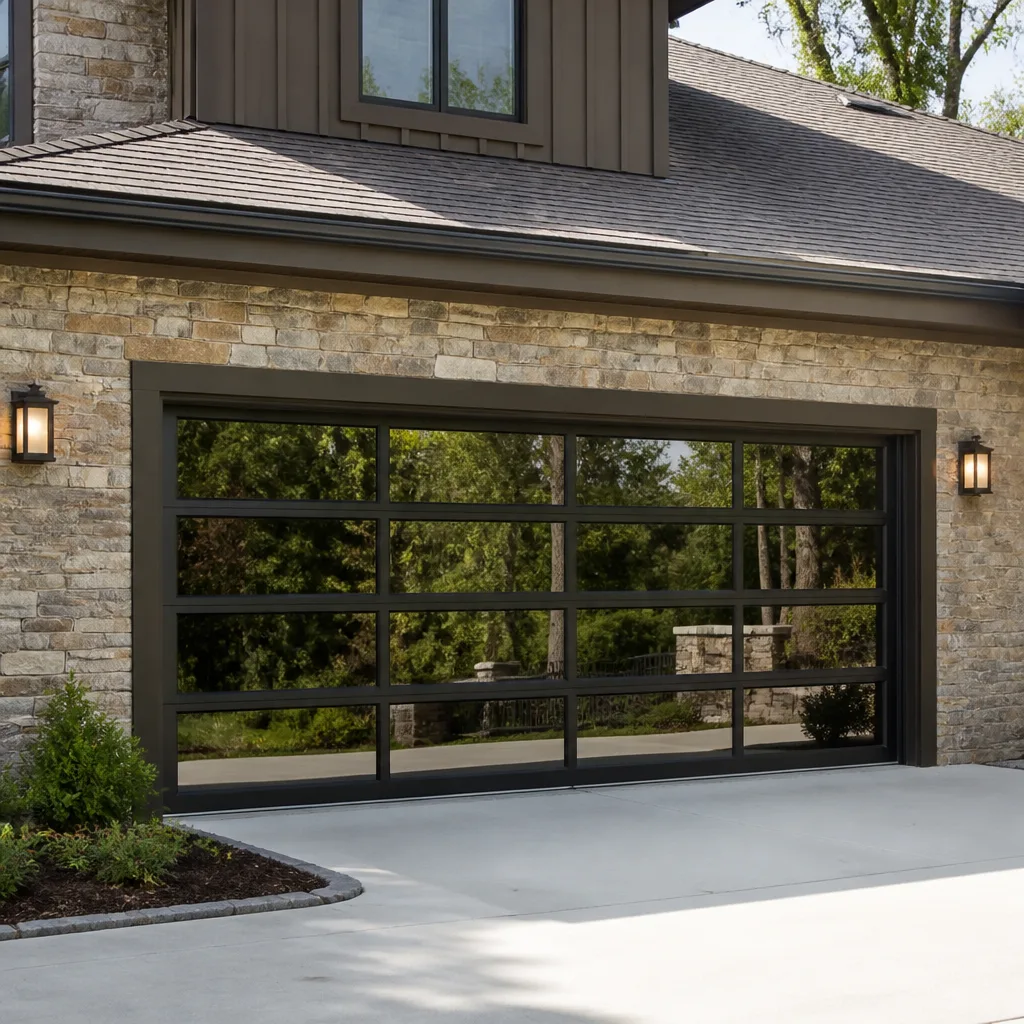 Full-view glass
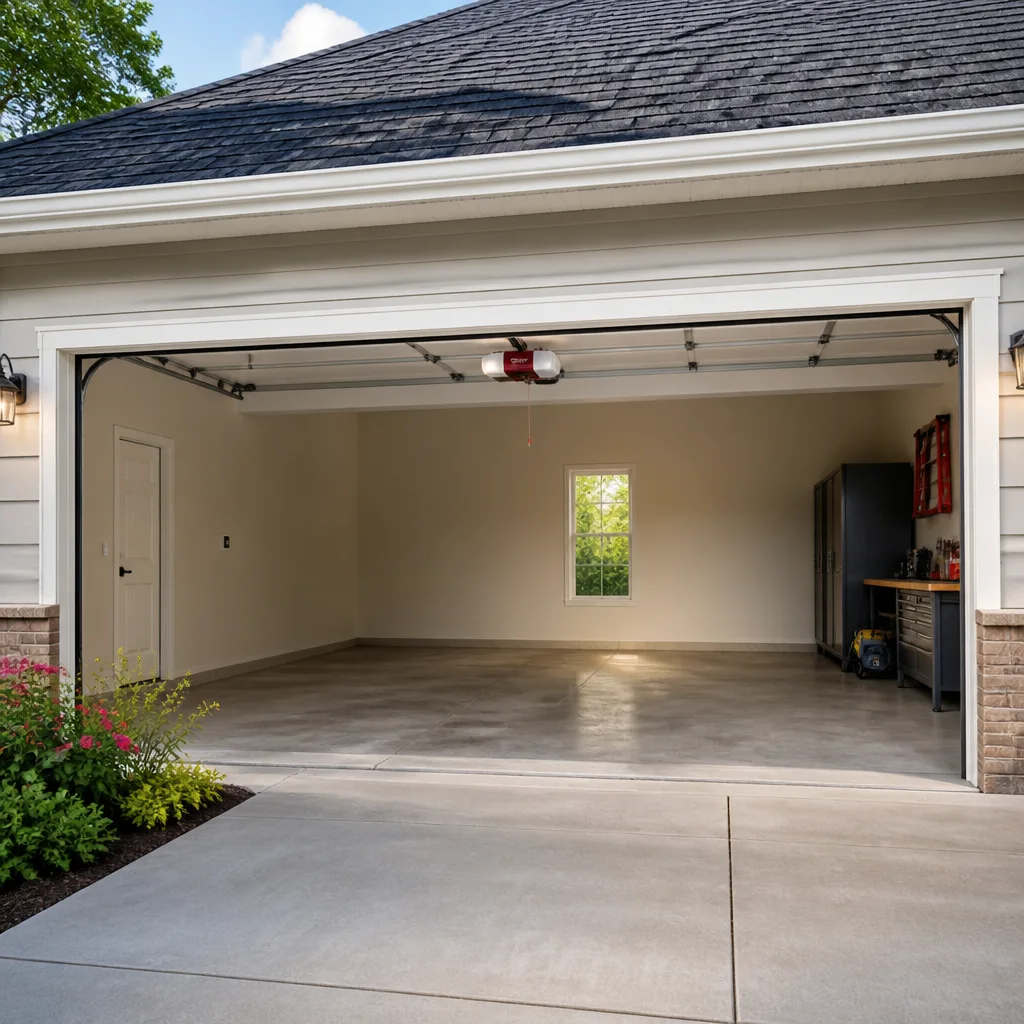 LiftMaster openers
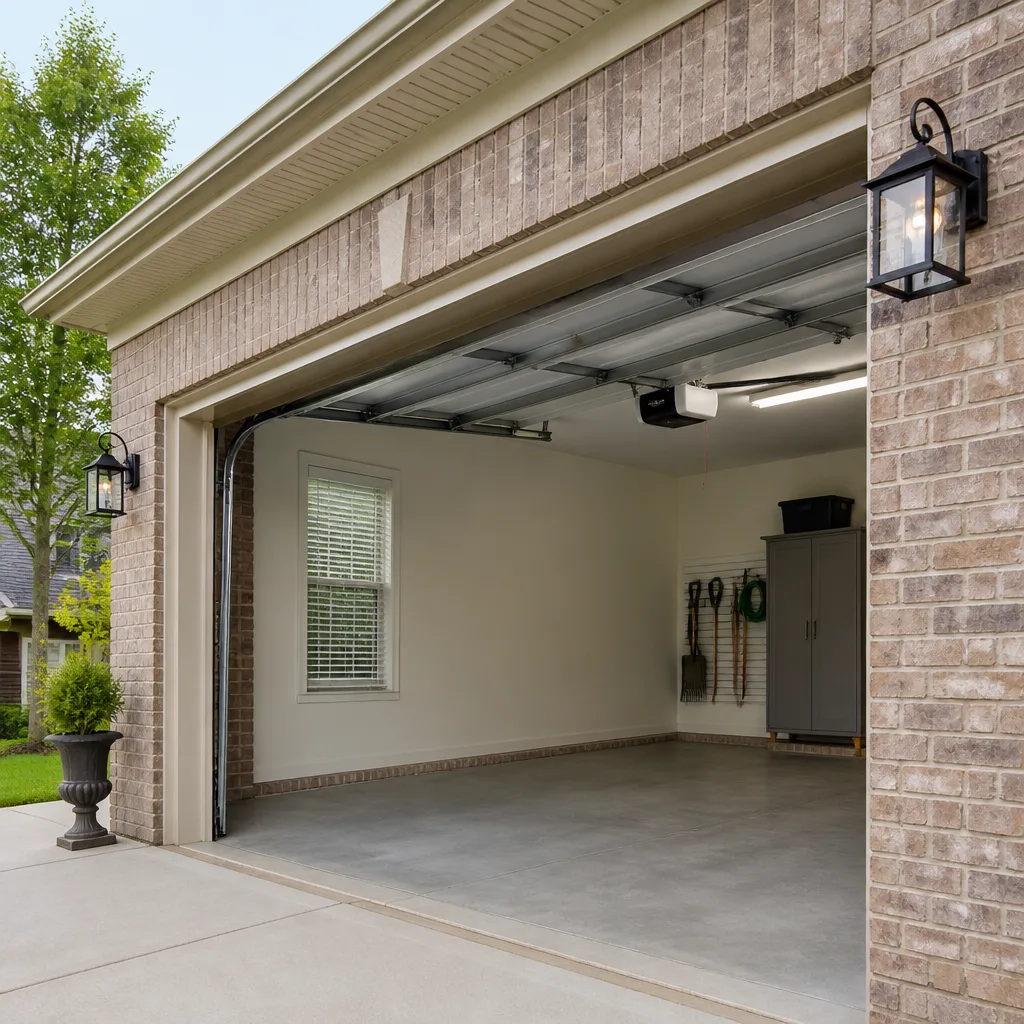 Chamberlain openers
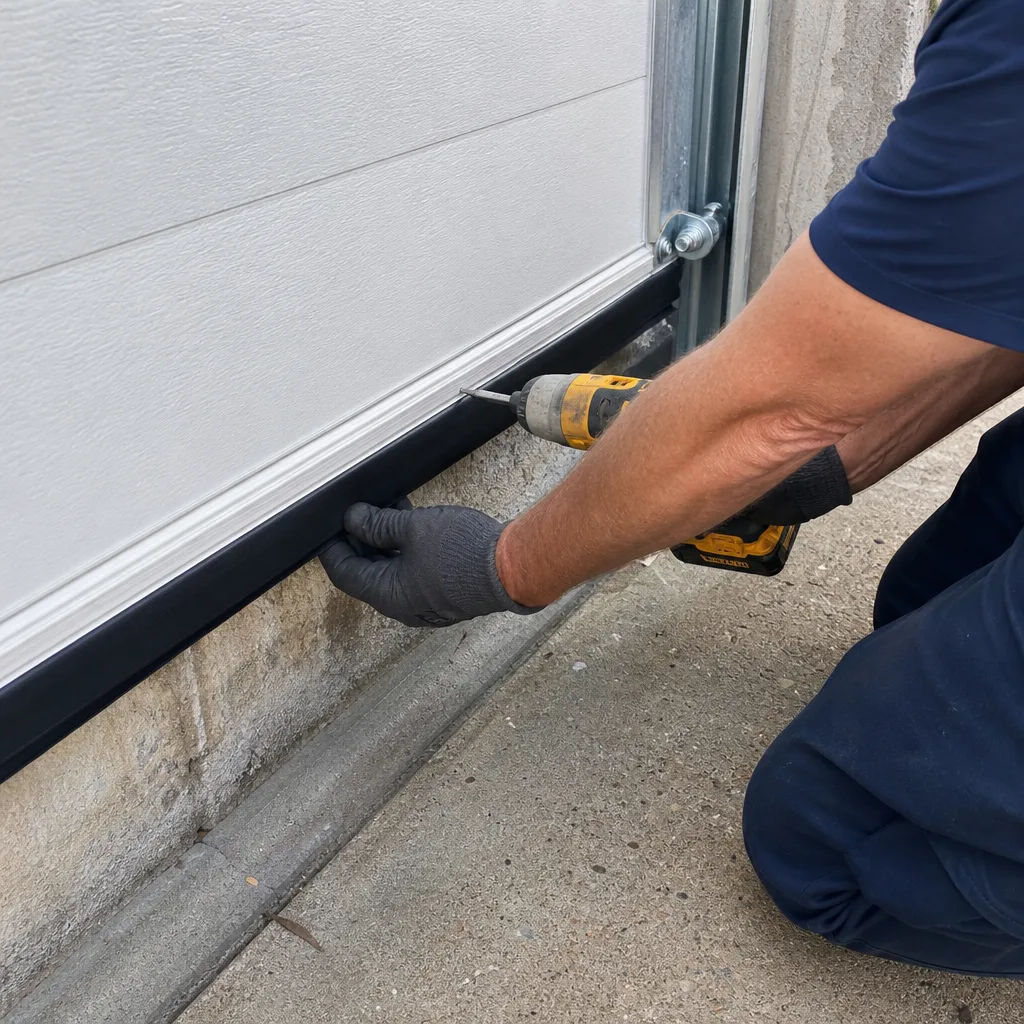
Full 25-point door and opener safety check with every visit - springs, cables, rollers, tracks, and your LiftMaster or Chamberlain opener included
You get a price before we start. It does not change when the pro arrives.
Get your free estimateGarage Door Repair Maintenance Checklist for Chesapeake Homeowners
Chesapeake’s weather is hard on a garage door. It’s damp nearly year-round, summers bake the door in direct sun, and January can drop below freezing overnight. That mix – humidity, heat cycling, and hard freeze events – is what wears down springs, cables, rollers, and hinges over time. The good news is that most failures give you weeks of warning first. This guide is a real working checklist: what to look at monthly, what to lubricate each season, and what to leave to a professional. By the end, you’ll know exactly what condition your door is in and when it’s time to call.
Quick Answer
A garage door maintenance checklist for Chesapeake homes should include monthly visual checks of springs, cables, and rollers; lubrication with a silicone or lithium-grease product every season to handle the humidity; a balance and auto-reverse safety test twice a year; and a professional hardware inspection annually. Most of this takes 15 minutes and doesn’t require touching any high-tension part. Anything involving springs, cables, or the opener’s internal wiring belongs with a trained technician.
Styles & brands we work with
- Raised-panel steel
- Carriage house
- Modern flush
- Full-view glass
- LiftMaster openers
- Chamberlain openers
Table of Contents
- Why Chesapeake Doors Fail Differently
- The Monthly Visual Check
- Seasonal Lubrication That Holds Up in Humidity
- Testing Balance, Travel Limits, and Auto-Reverse Safely
- Reading Rust Correctly: Hinge vs. Cable
- Why Spring Tension Behaves Differently in January and August
- The Annual Hardware Inspection
- What to Own and What to Hand Off
Why Chesapeake Doors Fail Differently
Most checklists floating around online were written for dry climates. Chesapeake isn’t one. The combination of high humidity through the warm months and the freeze-thaw swings of a Tidewater winter creates a failure pattern that’s specific to this area.
Here’s what’s actually happening to your door:
- Humidity accelerates wear on anything metal. Rollers, hinges, and cables all pick up surface rust faster here than in drier parts of Virginia. That rust doesn’t just look bad – it adds friction, which makes the opener work harder, which shortens its life.
- Heat cycling stresses the spring. A torsion spring is under constant load, and it expands and contracts with temperature. August’s heat and January’s cold put that spring through a cycle of tension changes every year. Over time, that micro-flexing is what causes fatigue failure.
- Wood and metal doors move. A Clopay steel door and a wood-framed door respond to humidity differently. Wood swells and contracts; steel doesn’t. Where the two meet at the frame, you get gaps, binding, and eventually a door that doesn’t track cleanly.
- Freeze events catch people off guard. Most Chesapeake homeowners don’t have to think about hard freezes often, so nobody lubricates in December. Then the first cold snap arrives and a door that was already dry and stiff suddenly binds.
Chesapeake homes near tidal waterways see this compound faster. Even away from the water, the region’s general humidity is enough to do the work. The takeaway is that maintenance intervals here should be tighter than a generic checklist suggests – and the inspection points should be a little more specific.
The Monthly Visual Check
This should take about 10 minutes and doesn’t require any tools. You’re looking for changes, not fixing anything. Do it in daylight with the door closed first, then again with it open.
- Look at the springs. With the door closed, inspect the torsion spring above the door (or the extension springs if you have those, running along the tracks). You’re looking for a visible gap in the coil, or a sticky residue. A gap in a torsion spring means it’s broken – stop using the door.
- Trace the cables. Follow each cable from the bottom bracket up to the drum. You’re watching for frayed strands, kinks, or slack. A cable that looks like a cat toy is a cable that’s about to fail.
- Check the rollers. Each roller should spin freely. Rollers that wobble, squeal, or have flat spots on the bearing are finished. Steel rollers with visible rust on the stem are worth flagging even if they still spin.
- Look at the hinges. Rust here is normal surface rust and mostly cosmetic. A hinge that’s stiff is a maintenance item. A hinge that’s loose at the bolt is a repair.
- Examine the bottom seal. The rubber or vinyl seal at the floor should compress against the ground evenly. A sagging seal lets in water, insects, and cold air – and in a Chesapeake rainstorm, it’s the first sign the door isn’t sitting level.
- Note any new noises. A door that suddenly sounds different than last month is telling you something changed. Write down what you hear so you can describe it accurately.
Keep a simple note in your phone each month. Over a year, that log tells you more about your door than a one-time inspection ever could.
Seasonal Lubrication That Holds Up in Humidity
This is where a lot of homeowners use the wrong product and wonder why the door still squeaks a month later. In a humid climate like Chesapeake’s, the choice of lubricant matters as much as the schedule.
Do this four times a year – roughly once per season. The easiest way to remember is to do it when you change your HVAC filter.
What to use:
- Silicone spray or lithium grease for hinges, rollers, and the torsion spring. These hold up well in humidity and won’t attract grit the way petroleum-based spray does.
- White lithium grease for the opener’s rail and drive screw. It’s thicker and stays put through the cycle.
- Avoid WD-40 as a long-term lubricant. It’s a solvent, not a lubricant. It’ll break up the old grease, then dry out and leave the parts drier than before.
What to lubricate:
- Every hinge pivot point, both sides of the door.
- Every roller stem, at the bearing.
- The torsion spring coils – a light coat, not a soak.
- The opener rail and, if accessible, the trolley.
- The lock mechanism, if your door has one.
What NOT to lubricate: the tracks. Clean tracks should stay dry. Greasing them attracts debris and makes the rollers slide instead of roll, which is exactly the wrong behavior.
If you have a LiftMaster or Chamberlain opener with a belt drive, the belt itself doesn’t need lubrication – keep it dry. Chain drives appreciate a light coat of the same grease you use on the rail. Genie’s screw-drive units want the manufacturer’s recommended grease and nothing else.
Testing Balance, Travel Limits, and Auto-Reverse Safely
These three tests are the most valuable ones you can do as a homeowner, and none of them require you to touch a high-tension component. Do them twice a year – spring and fall.
Balance test
- Close the door and pull the manual release cord to disconnect the opener. This is a normal function; don’t worry that you’re damaging anything.
- Lift the door by hand to about waist height.
- Let go. A balanced door stays put. A door that drops or rises on its own is out of balance.
- Reconnect the opener. If the door drops, the springs are losing tension. If it rises, they’re over-tensioned.
An out-of-balance door is a sign the springs need professional attention. Don’t try to adjust them yourself.
Travel limit test
Watch the door open and close. It should reach the fully open position and the fully closed position without straining. A door that doesn’t quite close leaves a gap at the floor. A door that opens too far puts unnecessary stress on the opener motor and the top panel. Modern openers have adjustment screws on the side, but if you’re not sure which screw does what, this is the moment to call. A small adjustment made wrong can cause the door to bind against the opener and damage both.
Auto-reverse test
Put a 2×4 flat on the ground under the door. Close the door. It should reverse immediately on contact with the board. Then test the optical safety sensors: wave a hand or a broomstick across them while the door is closing. The door should reverse. If either test fails, stop using the automatic opener until a technician checks the system. This is a genuine safety issue – a door that won’t reverse is a risk to anyone who walks under it while it’s closing.
Reading Rust Correctly: Hinge vs. Cable
Rust is everywhere in a Chesapeake garage, and not all of it means the same thing. Knowing the difference between cosmetic and structural corrosion saves you from both unnecessary repairs and dangerous oversights.
Rust on a hinge: This is almost always cosmetic. Hinges are thick steel and a surface coat of orange doesn’t reduce their strength. Wipe it with a light oil and move on. If a hinge is stiff, that’s a lubrication issue, not a corrosion emergency.
Rust on a roller bearing: More serious. A roller bearing that’s rusty is a roller that’s grinding. Replace the roller – they’re inexpensive and easy to swap.
Rust on a cable: This is the one that matters. A cable is under hundreds of pounds of tension, and rust eats into the wire from the inside out. A cable with visible surface rust on more than a small section, or any sign of fraying, is a call-a-professional situation. Don’t put it off.
Rust on a spring: Springs are painted or coated at manufacture, and a bit of surface rust from humidity is normal. But if the coating has failed over a large area and the rust is deep pitting, the spring’s life is shortening. Have a technician assess it.
The rule of thumb: heavy metal with rust is fine, thin steel wire with rust is not. Your cables are thin steel wire.
Why Spring Tension Behaves Differently in January and August
A torsion spring doesn’t have one behavior – it has a behavior in each season. Understanding this is what separates a knowledgeable Chesapeake homeowner from someone who’s surprised every year by the same problem.
In August: The metal of the spring is warm and expanded. It cycles through a slightly different tension profile than in winter, and the whole door system – panels, hinges, rollers – moves more freely because nothing is cold and stiff. A door that feels light in summer may be a door whose springs are actually losing tension but don’t show it yet.
In January: Two things happen at once. The spring steel contracts, which changes the tension curve, and any residual lubricant on the door thickens in the cold. A door that was smooth in October can suddenly feel heavy, loud, or sluggish in a January cold snap. The opener has to work harder, and if it’s already near its limit, this is when it fails.
This is why the October lubrication pass matters more than the others. It’s the one that gets you through the transition. In Chesapeake, the hard freezes aren’t every winter, but they happen often enough that it’s worth treating the first cold snap as a real event.
The practical takeaway: if your door starts acting strange when the weather changes, don’t assume it’s broken. Lubricate first. If it’s still acting strange in the same weather two weeks later, now you have a repair.
The Annual Hardware Inspection
Once a year, do a deeper check than the monthly visual. This is also when it makes sense to have a professional look at the parts you can’t safely assess. For an overview of what a garage door repair visit actually covers, it’s worth understanding the difference between a tune-up and a repair before you call.
Your annual inspection should cover:
- The spring’s appearance and the door’s balance (covered above).
- The opener’s mounting bolts – check for loosening. A Chamberlain or LiftMaster unit bolted to a sagging header is a common source of noise and premature motor wear.
- The opener’s force settings. If the door is binding, the opener’s force setting might be masking the problem by pushing harder. That’s a sign of a mechanical issue, not a fix.
- The door panels and stiles. Dents, cracks, and separating joints are structural issues that get worse.
- The track alignment. Are the tracks vertical and parallel? Are the brackets still snug?
- The weather seal at the bottom, sides, and top. Worn seals let in moisture, which accelerates everything else on this list.
If anything in the annual check turns up beyond “needs lubrication,” have a technician look at it. A single professional visit a year catches problems while they’re still small – and every small problem on a garage door becomes a big one if it’s ignored long enough. That’s central to the Highpoint Garage Door Service approach: solve the problem before it becomes an emergency.
What to Own and What to Hand Off
This is where checklists tend to get preachy. Manufacturers and safety organizations sometimes over-warn because they’re protecting themselves legally. That’s fine, but it doesn’t help you make a real decision. Here’s a more honest breakdown.
Own these tasks:
- Monthly visual inspections
- Seasonal lubrication
- Balance, travel limit, and auto-reverse testing
- Cleaning the tracks with a rag and mild cleaner
- Wiping down the door’s exterior panels
- Replacing the opener’s remote batteries and testing the wall button
These are safe because they don’t involve touching anything under tension. You’re observing, lubricating, and testing – not disassembling or adjusting the mechanical system.
Hand off these tasks:
- Spring replacement or adjustment. Torsion springs are under hundreds of pounds of stored energy. A spring that releases unexpectedly can cause serious injury. This is not a task to attempt without training and the right tools – and even then, most trained technicians use specific winding bars and have done it hundreds of times.
- Cable replacement. Same principle: cables are under high tension and a snapped cable can whip.
- Track realignment. A door that comes off its track can fall. Getting it back on safely requires knowing exactly how the geometry works.
- Opener electrical work. Anything past replacing a remote or a lightbulb touches low-voltage wiring, but the motor and capacitor are high-voltage. This is where our garage door opener repair service makes a real difference – the electronics side of an opener is separate expertise from the mechanical side.
- Panel replacement. A damaged panel changes the door’s weight and balance. Getting the balance right after a panel swap is a professional job.
This isn’t a liability dodge. It’s that the risk is genuinely high on the “hand off” items and genuinely low on the “own” items. Knowing the difference means you can do the useful work yourself without overstepping into danger.
Common Mistakes to Avoid
- Using WD-40 as a long-term lubricant. It dries out and leaves parts drier than they were. Use silicone or white lithium grease instead, especially in Chesapeake’s humidity.
- Greasing the tracks. Dry tracks with rollers that roll are what you want. Greased tracks attract debris and cause the rollers to slide.
- Ignoring a door that suddenly runs louder. A new noise is the earliest symptom of a problem that hasn’t become expensive yet.
- Skipping the October lubrication pass. It’s the one that gets you through the January cold snap. Skip it and you’ll notice.
- Adjusting travel limits by trial and error. One wrong turn on the wrong screw can damage the opener or the door. If the door doesn’t reach the floor or the ceiling cleanly, have it checked.
- Painting over rust on a cable. Rust on a hinge is cosmetic. Rust on a cable is structural. Painting it hides the warning sign instead of fixing the problem.
- Letting a door sit unmaintained for years because “it still works.” In Chesapeake, “still works” is often a door that’s two seasons from a failure. Routine maintenance is cheaper than emergency repair.
See the difference
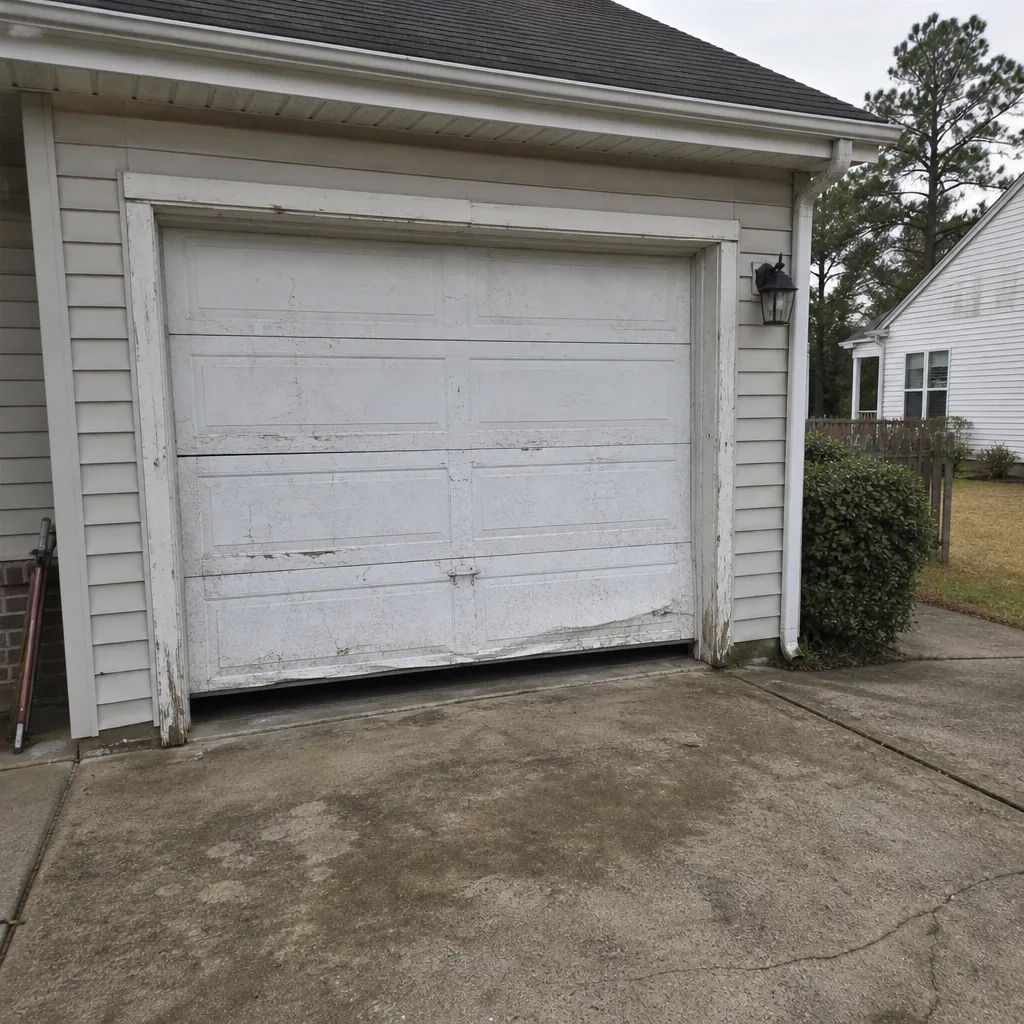 Before
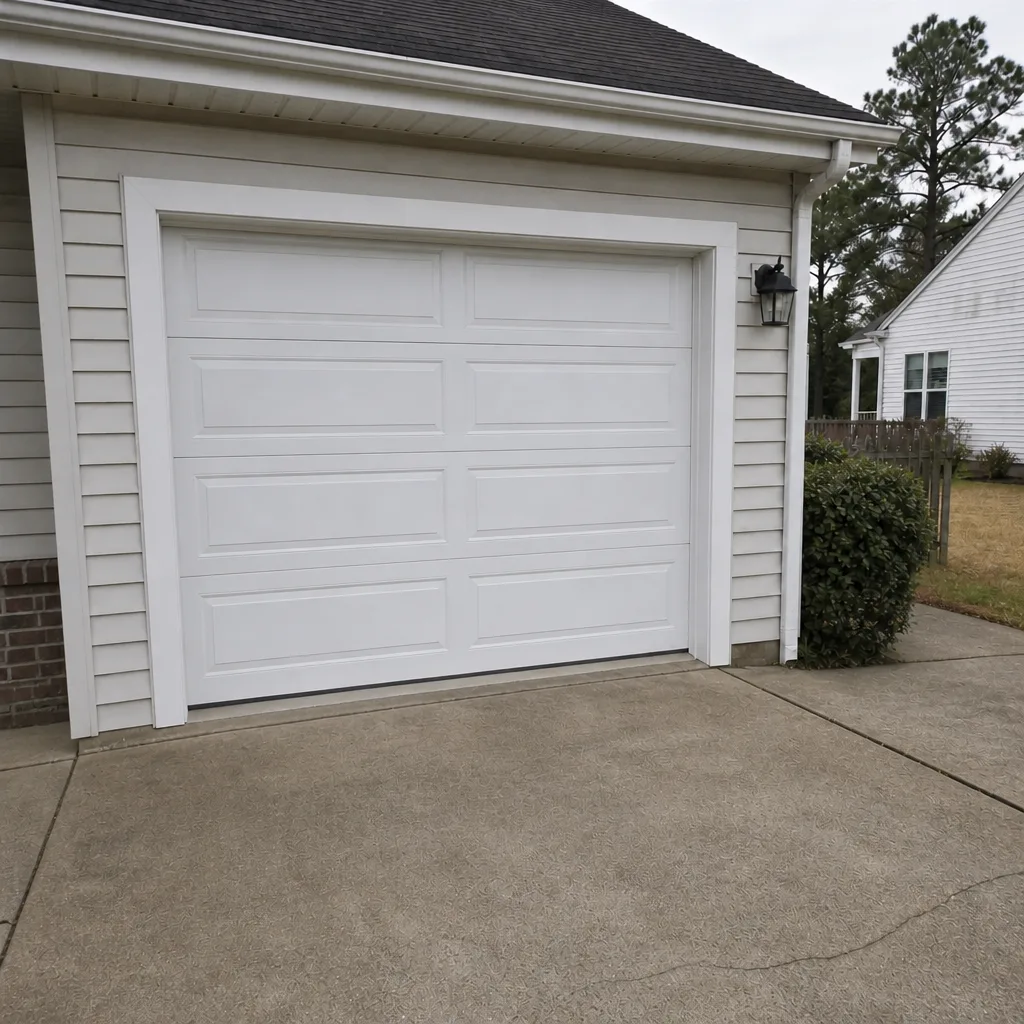 After
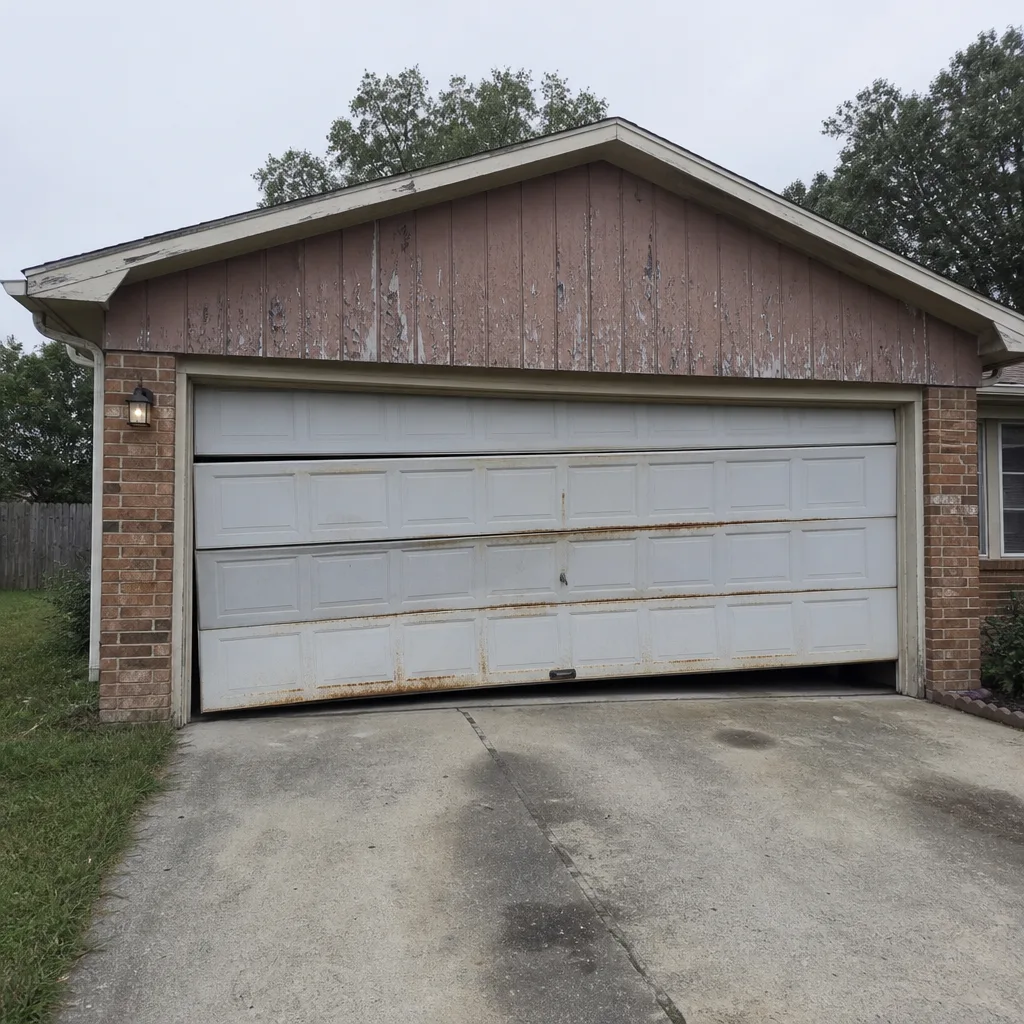 Before
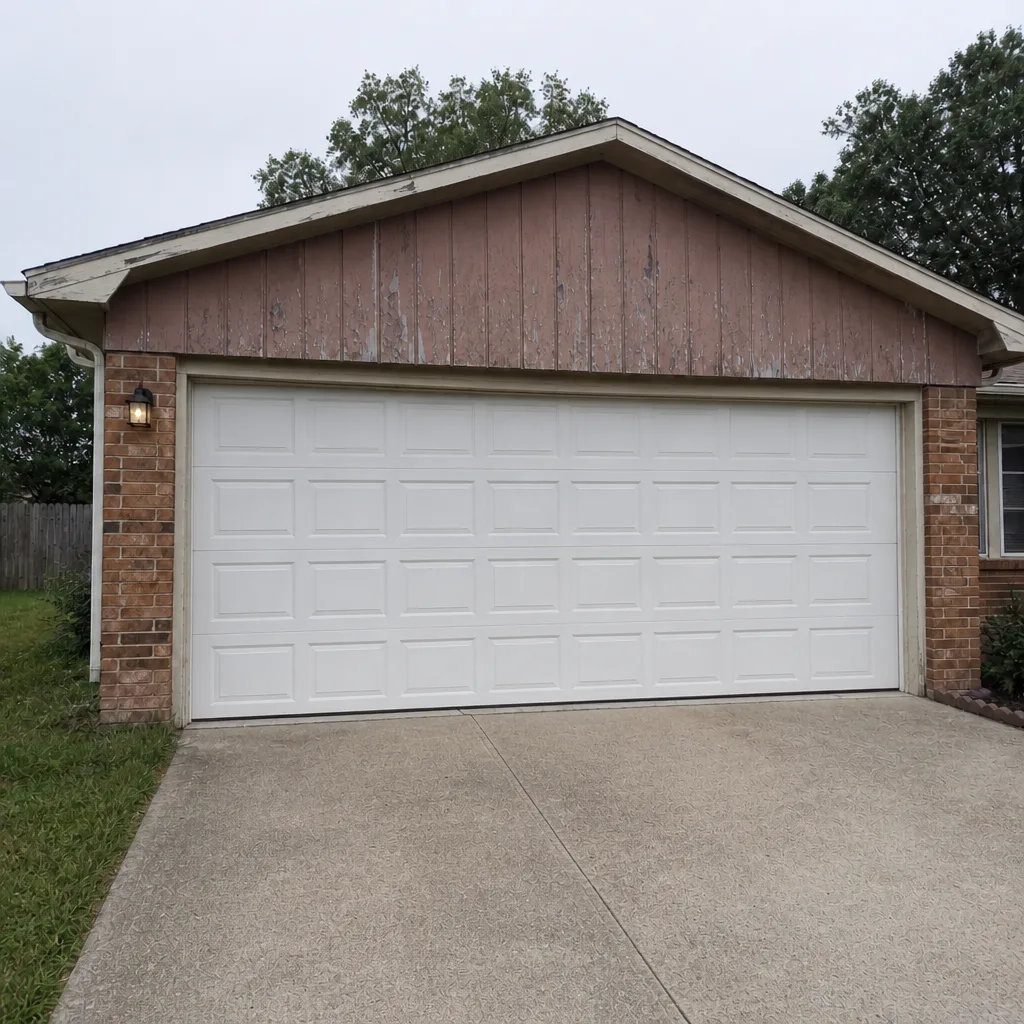 After
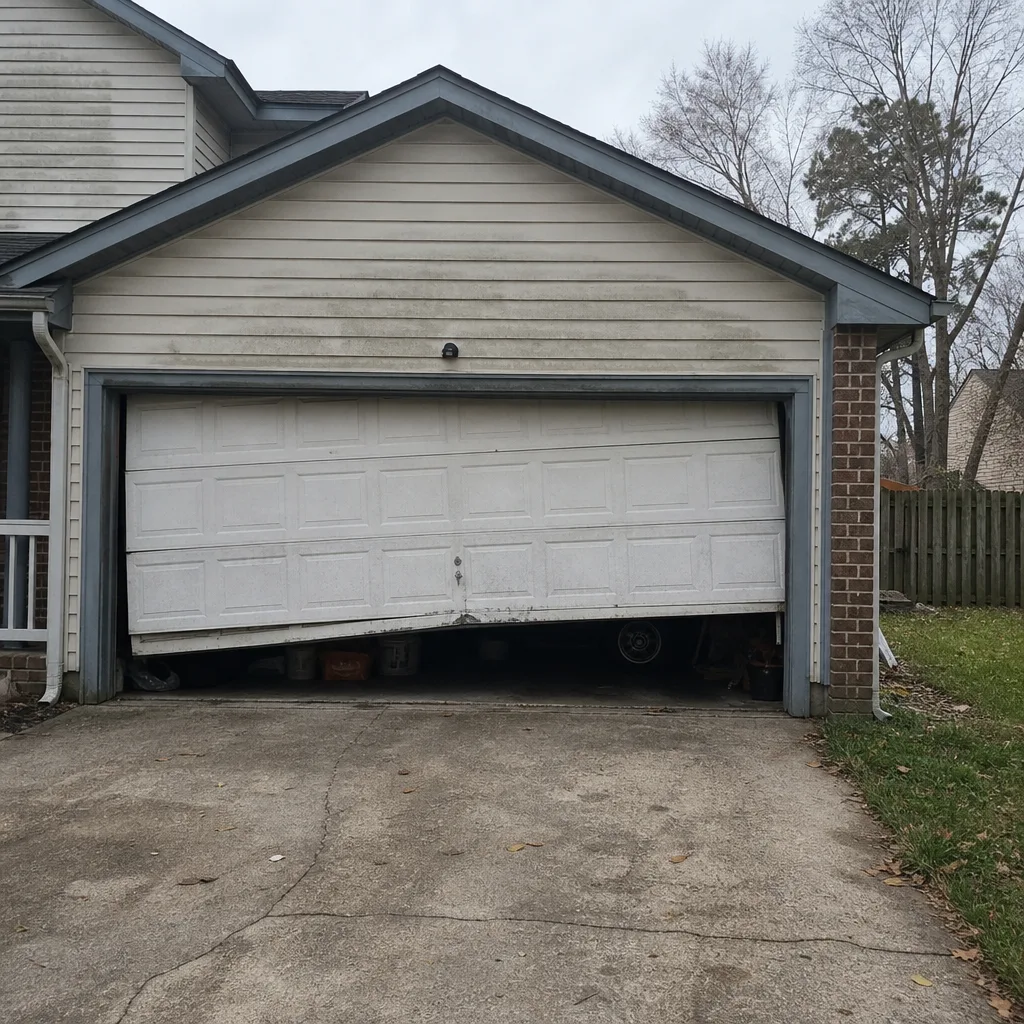 Before
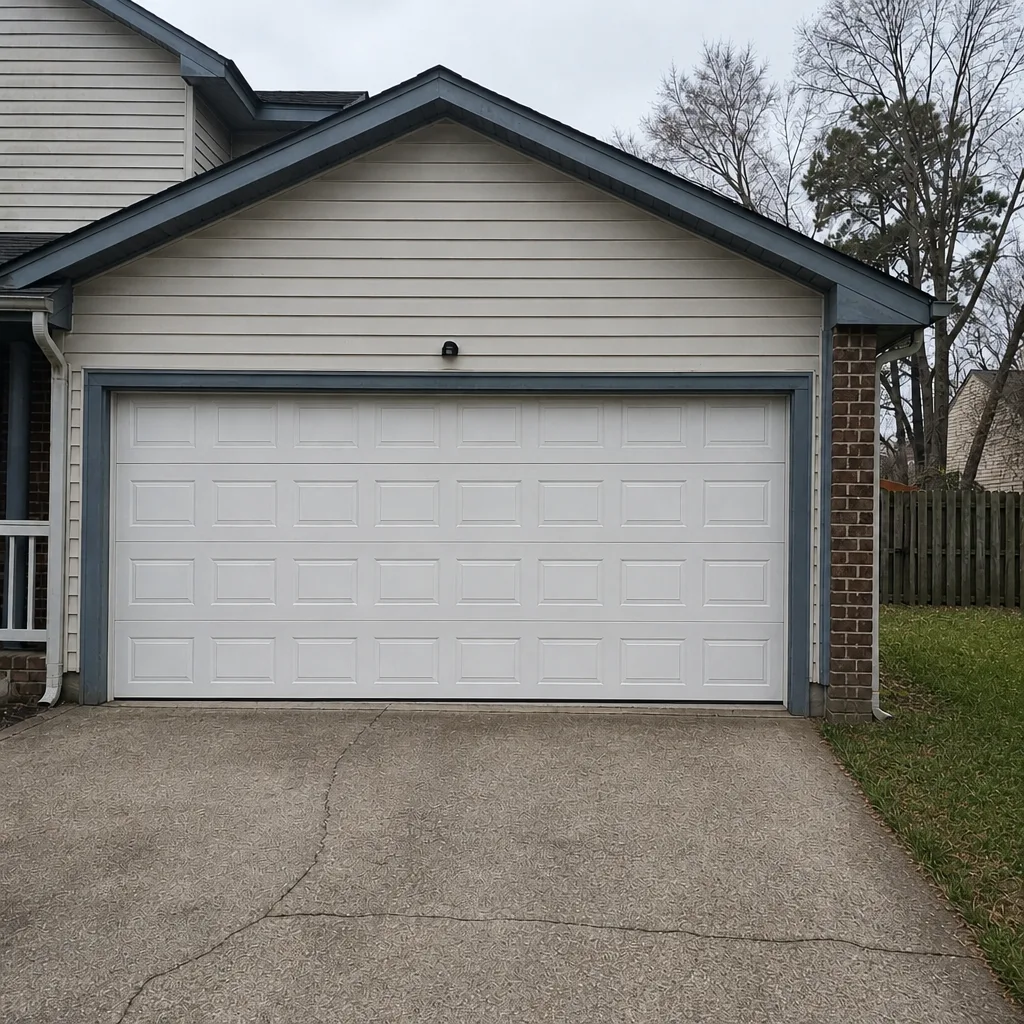 After
When to Call a Professional
Call a professional if the door has stopped moving, if a spring has visibly broken, if a cable is frayed or slack, if the auto-reverse test fails, if the door comes off its track, if the opener runs but the door doesn’t move, or if your balance test shows the door dropping or rising on its own. Those are all conditions where continuing to use the door risks more damage or injury. Also call if the monthly visual check consistently turns up the same issue – a door that needs the same fix three months running isn’t fixed.
For everything on the annual inspection list that goes beyond lubrication, a professional visit is the cheaper path. Highpoint Garage Door Service offers free estimates in Chesapeake – call (877) 309-4107. We answer 24/7. Fast dispatch from 7am to 7pm, Sunday through Friday. Whatever brand you have – LiftMaster, Chamberlain, Genie, Clopay, or any of the eight major manufacturers we service – we’ll tell you what’s actually wrong and what it costs to fix it before any work starts.
Frequently Asked Questions
Do a 10-minute visual check every month, lubricate the moving parts every season (four times a year), and arrange a deeper professional inspection once a year. Because of Chesapeake’s humidity and freeze-thaw swings, the seasonal lubrication is the item most people skip and should not. Set a phone reminder tied to your HVAC filter changes and you’ll stay on schedule without thinking about it.
The springs and the cables. Those are the two components whose failure causes the most expensive damage and the most risk of injury if the door is in use. A visible gap in a spring or a frayed cable means stop using the door and call a professional. Everything else on the monthly list is about catching wear before it turns into failure.
No, and this isn’t a liability hedge. A torsion spring is under hundreds of pounds of stored energy, and a slip during installation or adjustment can cause serious injury. Trained technicians use specific winding bars and have the mechanical instinct for how much load is on the spring at each turn. This is the single most dangerous job on a garage door. Call a technician for spring work, and don’t run the door if a spring is broken.
Yes. Spring steel contracts in cold and expands in heat, which changes the tension curve. A door that feels right in July can feel heavy in January. That’s why the October lubrication pass is the most important one in Chesapeake – it prepares the door for the temperature shift. If your door is sluggish after the first cold snap, lubricate first. If it’s still sluggish two weeks later, call us.
Hinges are thick steel plates – surface rust on them is cosmetic and doesn’t affect strength. Cables are bundles of thin steel wire, and rust eats into the wire from the inside out. A rusty hinge just needs a wipe-down and a bit of oil. A rusty cable is a safety issue and needs replacement. That’s why we tell Chesapeake homeowners to look at the cables first.
Routine maintenance visits are set per job by a written estimate, and repair costs depend on the part – a roller replacement is a different job than a spring replacement, which is a different job than an opener repair. The estimate is free, the price is agreed before any work starts, and the written estimate sets the final number. Call (877) 309-4107 and we’ll give you an exact range for your door.
The Bottom Line
Garage door maintenance in Chesapeake isn’t complicated – it’s just more specific than the generic checklists suggest. Humidity matters, freeze-thaw cycles matter, and the difference between cosmetic rust and structural rust matters. The plan: a 10-minute monthly visual check, seasonal lubrication with silicone or white lithium grease, balance and auto-reverse tests twice a year, and one professional inspection a year. Do all of that and you’ll catch every major failure pattern weeks before it becomes expensive or dangerous. Skip it and your door will tell you what you missed.
When you’re ready to have your door looked at, Highpoint Garage Door Service is here for Chesapeake. Our technicians have up to 15 years of experience across LiftMaster, Chamberlain, Genie, Clopay, and the other brands Chesapeake homeowners actually own. Whether you need a maintenance visit, a repair, or a full replacement, the estimate is free and the price is set before any work starts. Call (877) 309-4107. We answer 24/7. Fast dispatch from 7am to 7pm, Sunday through Friday. For a broader look at our service area, visit Chesapeake.
Written by the team at Highpoint Garage Door Service.