
Last updated November 15, 2026
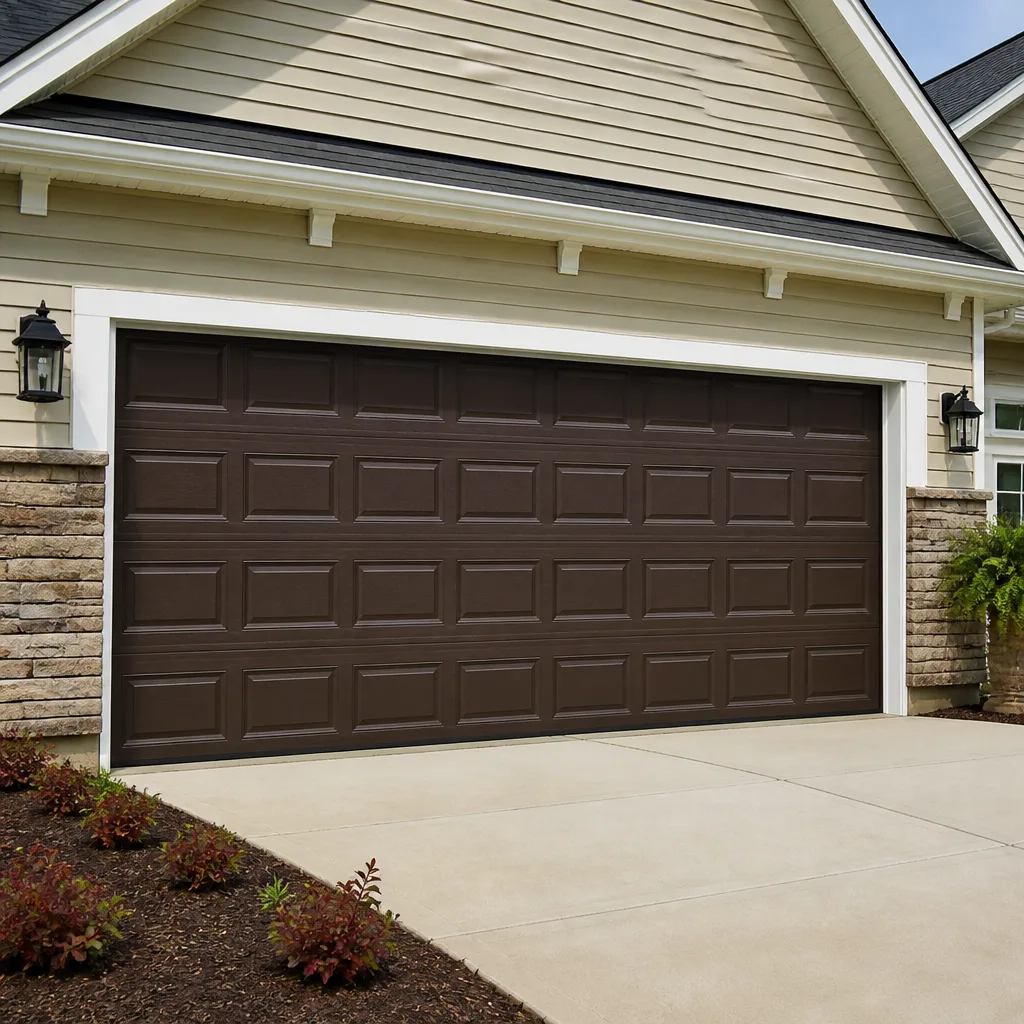 Raised-panel steel
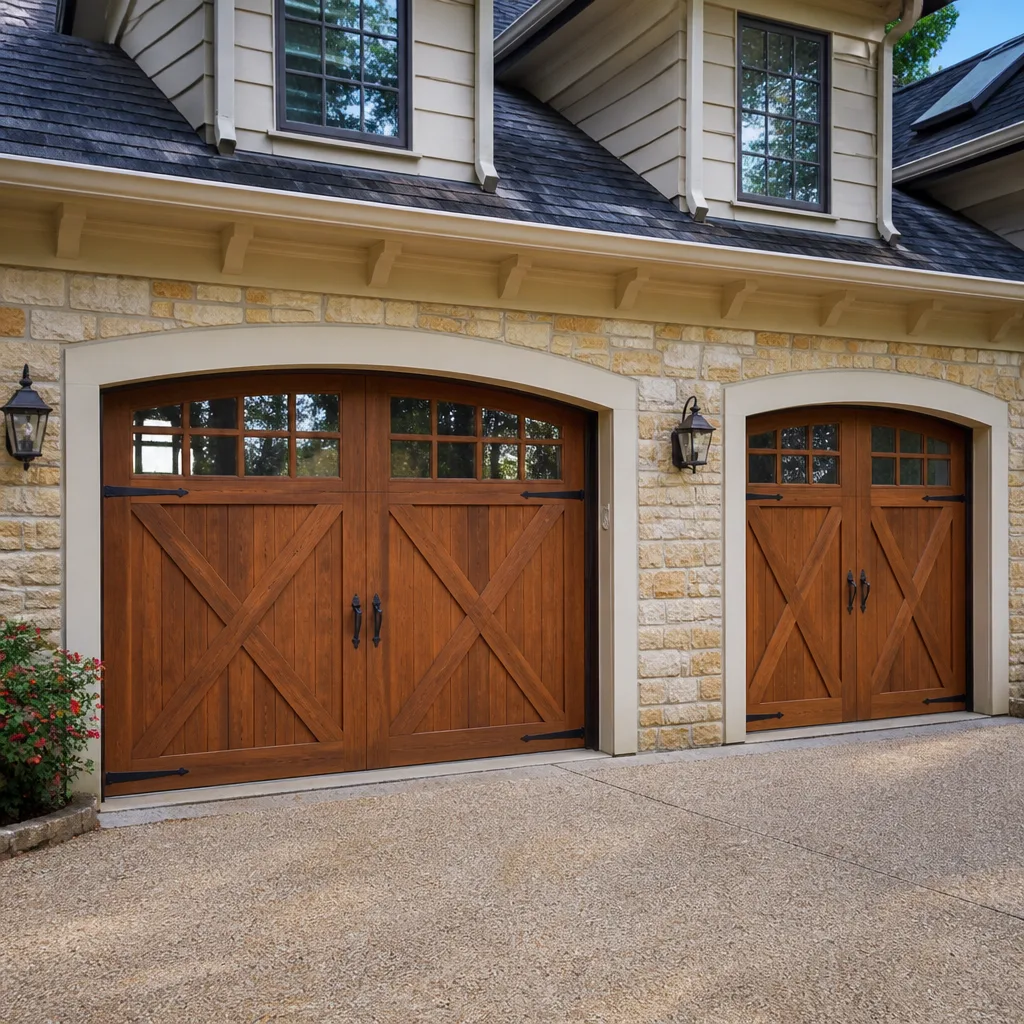 Carriage house
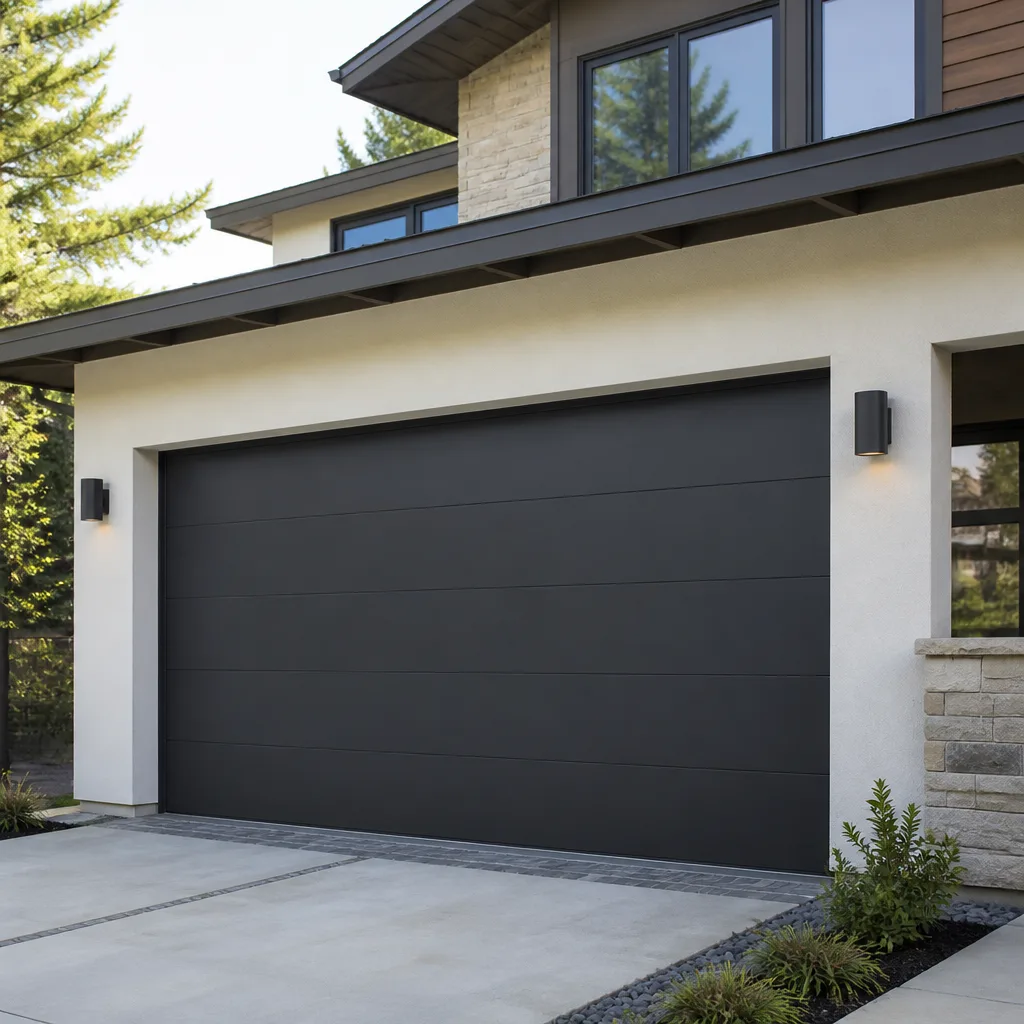 Modern flush
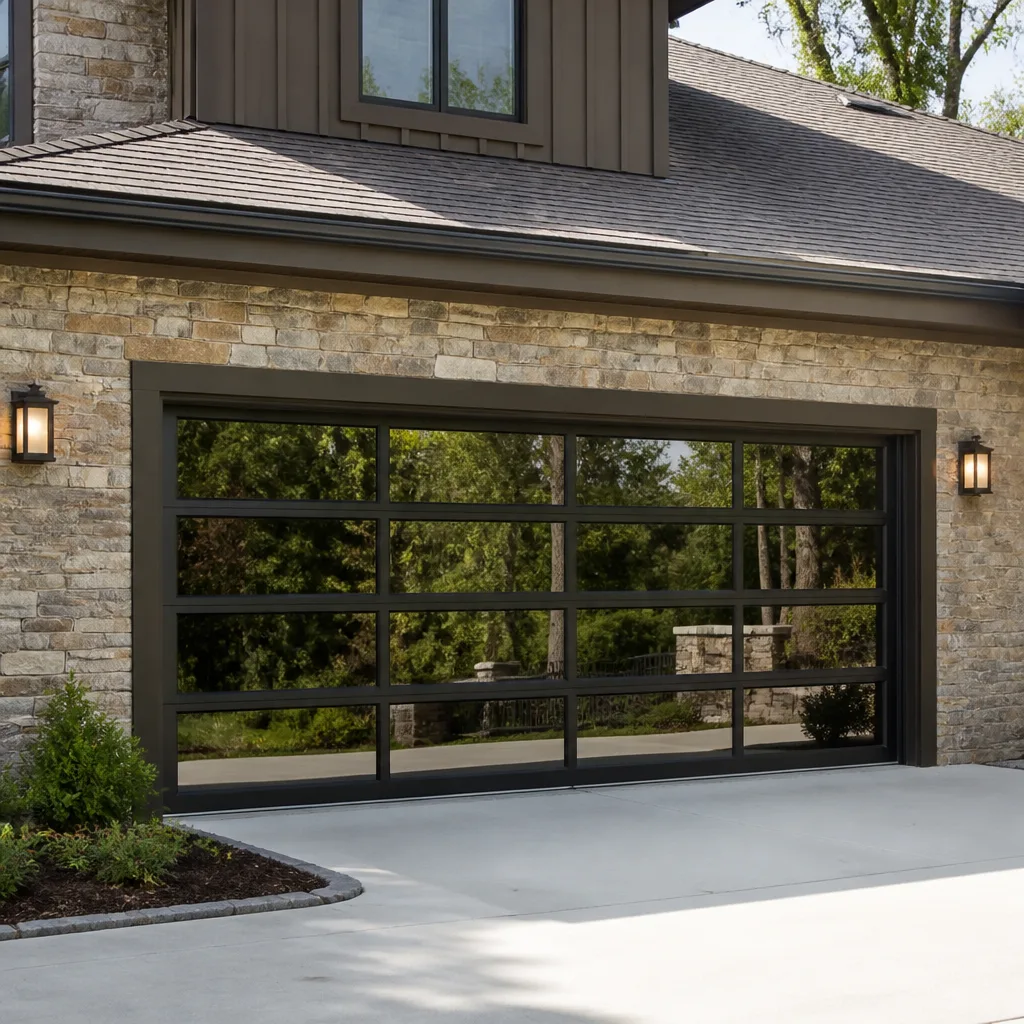 Full-view glass
 LiftMaster openers
 Chamberlain openers
Full 25-point door and opener safety check with every visit - springs, cables, rollers, tracks, and your LiftMaster or Chamberlain opener included
You get a price before we start. It does not change when the pro arrives.
Get your free estimateGarage Door Warning Signs: A Chesapeake Homeowner’s Reference Guide
A garage door that hesitates for half a second before moving isn’t being quirky. It’s describing a specific mechanical condition, and that description gets louder every cycle until it stops asking and starts failing. Most Chesapeake homeowners call us only after the door quits entirely. The smarter approach is pattern recognition: learning which sound, which visual cue, and which change in behavior points to which component. In this guide, we’ll walk through each warning sign one at a time, explain what it actually means, tell you how urgent it is, and add the local humidity factors that shape which parts go first in Chesapeake homes. By the end, you’ll be able to read your door the way a technician does.
Quick Answer
The most urgent garage door warning signs are a snapped torsion spring, a frayed or kinked cable, and any door that reverses without an obstruction. Sounds like grinding, popping, squealing, and rattling each point to a different component: rollers, springs, hinges or bearings, and loose hardware. Visual cues like flat-spotted rollers, cable strands, or a warped panel give you a written record of wear before failure. If you hear a loud bang from the spring area, stop using the door and call for help. Highpoint Garage Door Service handles garage door repair in Chesapeake, and estimates are always free.
Styles & brands we work with
- Raised-panel steel
- Carriage house
- Modern flush
- Full-view glass
- LiftMaster openers
- Chamberlain openers
Table of Contents
- Sound-Based Diagnostics: Reading What You Hear
- Visual Signs by Component: What Worn Parts Look Like
- Behavioral Symptoms: When the Door Tells You in Motion
- The Urgency Triage: Call Today, This Week, or Not Yet
- How Chesapeake Humidity Shapes the Warning Signs You’ll See
- Opener and Remote Warning Signs
- A Seasonal Inspection Routine for Chesapeake Homes
- Common Mistakes to Avoid
- When to Call a Professional
- Frequently Asked Questions
- The Bottom Line
Sound-Based Diagnostics: Reading What You Hear
Sound is the earliest and cheapest diagnostic tool a homeowner has. A door in good health makes a steady, low, drum-like roll. Any noise layered on top of that is a component asking for attention. Here’s how the four most common sounds map to specific hardware.
- Grinding. Metal-on-metal contact. Usually dry or worn rollers dragging in the track, or a torsion shaft grinding in a dry bearing plate. Grinding tends to start quiet and get louder over weeks. It doesn’t resolve on its own.
- Popping. A sharp crack or pop at the start of travel often means a spring is binding or a hinge plate is loose enough to slip. Popping that repeats at the same point every cycle is the most predictable one to track, because the location tells you which section of the door is involved.
- Squealing. High-pitched, continuous. Rollers with worn bearings, or a belt or chain running dry. Squealing is rarely dangerous on its own, but it’s the sign people ignore longest, and ignoring it accelerates wear on the rollers themselves.
- Rattling. Loose bolts, brackets, or hinges. The door vibrates through its cycle and the shake loosens fasteners further over time. Rattling is the cheapest of the four to correct early.
In our experience across Chesapeake, a large share of these sounds trace back to the same root cause: humidity-driven corrosion on rollers, hinges, and bearing plates. More on that below. If you’d rather have a technician listen to it directly, Highpoint Garage Door Service dispatches Sunday through Friday, 7am to 7pm. One loud bang from the spring area is different from all four of these and is covered in the triage section.
What a Healthy Door Sounds Like
A well-maintained door is the baseline you need before you can diagnose anything. Walk outside while someone operates the door and listen. You should hear a uniform roll, maybe a soft motor hum, and nothing else. Any tick, scrape, or squeak that repeats is a note in the diagnostic conversation. Listening from outside also lets you hear whether the sound comes from the door itself or from the opener unit, which is a different repair.
Visual Signs by Component: What Worn Parts Look Like
You can inspect most of your door’s wear without tools. The trick is knowing exactly what to look for on each component, because “worn” is vague and “flattened on one side” is actionable. Here’s a component-by-component reference. Pick a time when the door is closed and the opener is off.
- Rollers. Look at the wheel inside the track. A healthy steel roller is round and smooth. A worn roller has a flat spot, a visible seam, or a wobble when you nudge it. Nylon rollers that look chipped or cracked are also done. Rollers are the most frequently overlooked replaceable part on the door.
- Cables. Run your eye along each cable from the drum to the bottom bracket. Fraying is unmistakable: little broken strands like a frayed rope. A cable that’s kinked, has a loose spot, or is visibly slack is failing. Never touch or adjust cables yourself. They’re under high tension and can cause serious injury.
- Springs. With the door closed, the torsion spring above the door should be a continuous, unbroken coil. A visible gap in the coil, or a spring hanging loose, means it’s broken. Do not try to open the door. This is the one visual sign that means call now.
- Panels. Stand back and look across the door at a shallow angle. You’re checking for bowing, dents from impacts, and gaps between sections. A deformed panel can bind in the track and eventually pull the door off its hinges.
- Hinges and brackets. Look for rust blooms, loosened screws, and gaps where metal used to sit tight. Loose hinges are the most common rattle source, and a hinge that’s cracked at the knuckle should be replaced before it fails.
- Tracks. A healthy track is straight and clean. A dent, a bend, or debris packed into the curve at the top of the track will cause the door to bind or derail.
If any of this feels like guesswork, a technician can tell you in two minutes what took us years to learn to read. Our technicians have up to 15 years of experience on doors from LiftMaster, Chamberlain, Genie, Clopay, Amarr, Wayne Dalton, Craftsman, and Raynor, so whatever brand you have, someone familiar with it will be looking at it.
Behavioral Symptoms: When the Door Tells You in Motion
Motion patterns reveal problems that sound and sight sometimes miss. A door is supposed to travel smoothly at a steady pace and stop without drama. Deviations in that pattern each point to a specific system. Watch a full open-and-close cycle once, and note which of the following you see.
- Slow travel. A door that’s noticeably slower than it used to be is usually fighting resistance: a binding track, a failing spring, or a tired opener motor. If the door is heavier to lift by hand than it should be, the spring system isn’t doing its job.
- Uneven movement. One side ahead of the other means the door is out of balance. That points to spring tension, a stretched cable, or a bent track. Uneven travel puts extra strain on hinges and panels, so it tends to cascade.
- Reversal without obstruction. A door that goes down, pauses, and goes back up without anything in its path means the safety sensors or the opener travel limits need attention. This is a safety issue, so treat it as urgent. A door that reverses unpredictably shouldn’t be left operating.
- Stopping partway. If the door stops mid-travel, the opener is detecting resistance it can’t overcome. That’s either a physical bind or a force-limit setting that’s masking a real problem. Either way, don’t force it through.
- Remote lag. A remote that takes two presses to work points to a weak battery, an antenna issue, or interference. If the wall switch still works fine and the remote doesn’t, the door itself is healthy and the problem is in the opener’s radio.
Behavioral symptoms in Chesapeake often have a seasonal rhythm, because the humidity shifts load on the hardware. More on that in the humidity section.
The Urgency Triage: Call Today, This Week, or Not Yet
Not every warning sign demands immediate action, and treating them all like emergencies creates its own stress. The useful skill is sorting symptoms into three buckets: stop using the door now, schedule within the week, or note it and keep an eye on it. Here’s the framework we use.
Call Today: Stop Using the Door
- A broken torsion spring (visible gap or hanging spring, or a loud bang).
- A frayed, kinked, or visibly slack cable.
- The door reversing without obstruction.
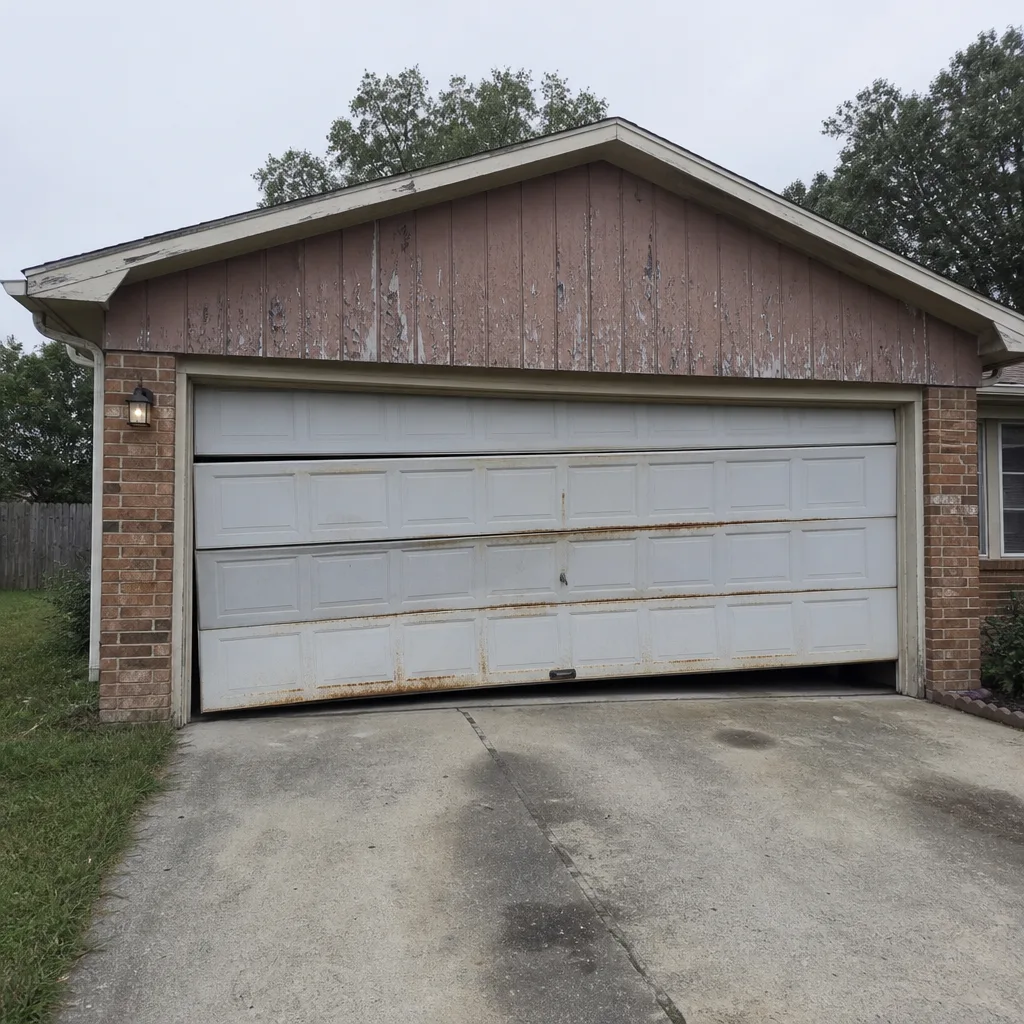
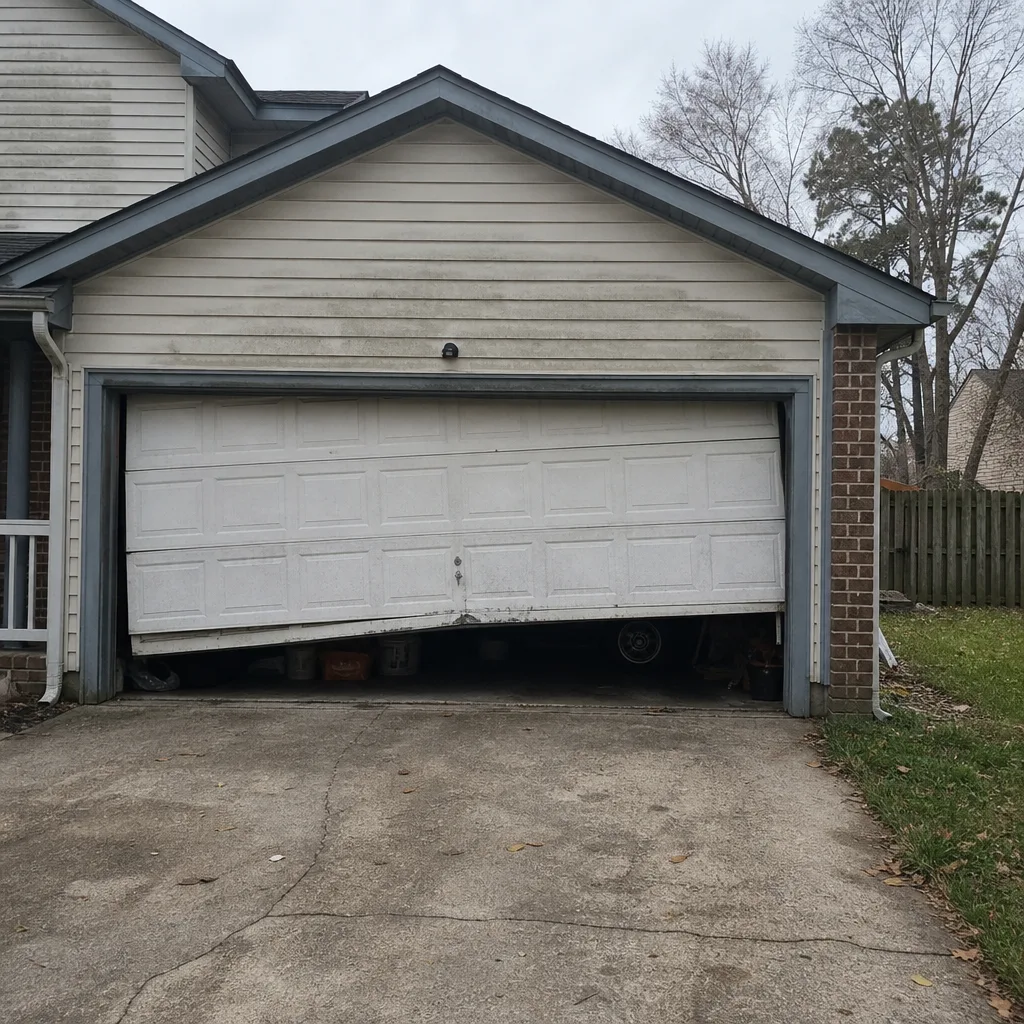
- The door hanging at an angle, or off one track.
- Any door stuck in the up position with a broken spring or cable. Don’t try to lower it yourself.
Schedule Within the Week
- Grinding or popping that repeats at the same point in the cycle.
- Uneven travel or a door that’s noticeably heavier.
- An opener that stops partway, or a force limit that’s been adjusted repeatedly.
- A remote that’s been unreliable for more than a battery change.
- A visible bent track that’s still allowing safe operation.
Note It and Keep Watching
- Squealing or rattling that doesn’t affect how the door moves.
- Surface rust on hinges and brackets.
- Cosmetic panel dents that don’t affect alignment.
- A single loose bolt or rattle at one hinge point.
Cosmetic wear on a quality door from a brand like Raynor or Wayne Dalton can look worse than it is, and it doesn’t need a service call on its own. The important rule is that anything in the first bucket gets a call today. Pricing is always per job by written estimate, so there’s no surprise invoice waiting at the end.
How Chesapeake Humidity Shapes the Warning Signs You’ll See
Chesapeake’s summers bring a lot of humidity that hangs on into the shoulder seasons, and that moisture pattern writes a specific warning sign pattern onto door hardware. Homes closer to the tidal tributaries see this more aggressively than drier inland spots. The hardware that corrodes first is almost always the rollers, hinges, and track fasteners. If you’re going to inspect the door once a season, look here first.
- Rust bloom on the roller housing. Look at the bracket above each roller. Orange flecks at the rivets are early. Rust on the roller housing itself is mid-stage. A roller that’s seized or rotating unevenly is late. This progression is the most reliable warning sign in the region, and it’s usually visible long before the door sounds rough.
- Track fasteners loosening. Humidity and temperature swings work lag screws loose. Give each track fastener a hand check at least twice a year. A loose fastener lets the track drift, and a drifting track binds the door.
- Hinge corrosion. Hinges carry a lot of the door’s flex, and when they rust, the knock gets loose. Runs of rain in the shoulder seasons tend to accelerate this, so Chesapeake homes that don’t have covered garages often show it first.
- Door bottom seals. A stiff, cracked, or separated bottom seal lets moisture in and also lets water pool against the slab. Check the seal at the threshold for hardness and gaps.
None of this means your door is failing. It means the hardware at ground contact and at each moving joint pays the humidity tax first, and that’s where you should look. A general handyman will miss the roller-level corrosion and focus on a squeak. A dedicated specialist reads the metal. Chesapeake homes get a version of this pattern every year, and a quick seasonal inspection catches it before it becomes repair work.
Opener and Remote Warning Signs
The opener has its own language, separate from the door. A weak opener can mimic a door problem, and a healthy opener can mask a door problem. Sorting the two is half the diagnostic work. Your opener from LiftMaster, Chamberlain, Genie, or Craftsman will typically show its decline in predictable ways.
- Motor hums but the door doesn’t move. If you hear the motor running without door travel, the drive gear or the carriage is the problem, not the door itself. Stop pressing the button; repeated attempts can burn the motor out.
- Openers that stop at the same spot every time. That’s a force limit or travel limit issue, but sometimes the cause is a mechanical bind the opener is protecting against. Diagnose the door first, then the opener.
- Remotes that work close up but not from the driveway. That’s typically an antenna or interference issue in the opener. It’s separate from the door’s mechanical condition.
- The safety sensors. The photo-eye sensors should be blinking steadily. If one is off, or blinking fast, the door will reverse on descent. That’s a stop-now sign.
If the door itself is fine and the opener is failing, garage door opener repair addresses the electronics and motor system rather than the door. We work on both sides of that line, which matters because the fix isn’t always obvious until a technician checks the actual hardware.
A Seasonal Inspection Routine for Chesapeake Homes
You can catch nearly every warning sign before it becomes a failure by running through this inspection four times a year. It takes about ten minutes. Do it with the door closed and the opener switched off. If anything looks unsafe, stop and call a technician.
- Listen. Operate the door once and stand outside. Compare what you hear to the four diagnostic sounds above.
- Watch the travel. One full open-and-close cycle. Note whether the door moves smoothly, unevenly, or stops short.
- Inspect the rollers. Look for flat spots, chips, and rust at each roller. That’s the first place the humidity tells on the door.
- Check hinges and track fasteners. Tighten nothing yet. Just note any looseness or corrosion, and photograph it with your phone so you can compare next season.
- Look at the bottom seal. Feel for hardness and gaps at the threshold.
- Test the safety reversal. Place a roll of paper towels under the door and close it. The door should reverse on contact. If it doesn’t, stop using it.
- Test each remote and the wall switch. If one works and the other doesn’t, note which, because that narrows the cause.
If you have to open a side door to get into the garage because the overhead door is stuck, that’s a warning sign in itself. Never try to lift a door with a broken spring or cable by hand. Springs and cables hold hundreds of pounds of tension and can cause severe injury. That’s a job for a trained professional with the right tools.
Common Mistakes to Avoid
- Waiting for the door to fail completely. A door that hesitates, grinds, or travels unevenly is telling you exactly what’s wrong. Waiting just converts a repair into a bigger repair.
- Adjusting the opener’s force limit to force the door through a bind. Raising the force limit keeps the door moving, but it also removes the opener’s protection against a real mechanical problem. The door keeps getting worse while the symptom hides.
- Trying to adjust, oil, or touch springs and cables. These are under extreme tension. A finger in the wrong place can be serious. Leave tensioned parts to a trained professional.
- Hosing down the tracks to “clean” them. Water in the tracks accelerates the corrosion Chesapeake homes already fight. Use a dry cloth and a proper roller lubricant, never water.
- Ignoring rust on rollers until it’s a rattle. Rusted rollers are the early local warning sign. Noting them in the fall and replacing before the humid season starts saves you a mid-summer breakdown.
- Replacing the whole door for a cosmetic dent. A dealer who wants to replace a door for a dent in one panel isn’t reading the door correctly. Repairs and panel replacement are often the right call.
- Assuming the opener is the problem when the door is. A bind in the door makes a healthy opener look worn out. Diagnose the door first.
When to Call a Professional
Call when the warning sign is on the stop-now list: a broken spring, a frayed cable, a door that reverses without obstruction, or a door hanging off its track. Call when you’ve adjusted the force limit twice and the door still stumbles. Call when the door doesn’t behave the same on both sides, or when it’s noticeably heavier than it used to be. Call when you’ve finished the seasonal inspection and you’re not sure whether what you found is cosmetic or structural. And call before you reach for a wrench on any spring, cable, or tensioned bracket. Highpoint Garage Door Service offers free estimates in Chesapeake. We answer 24/7. Fast dispatch from 7am to 7pm, Sunday through Friday, and we’re closed Saturday. Call (877) 309-4107.
Frequently Asked Questions
A change in sound is almost always the first sign, usually a grind or a repeat pop at the same point in the cycle. Sound shows up before the door stops working, which is why it’s the most valuable early warning you have. If the sound is a single loud bang from the spring area, stop using the door and call a professional right away.
No. Garage door springs are under extremely high tension, and mishandling one can cause serious injury. Only a trained professional should replace or adjust a spring. If your spring is broken, do not try to open the door; call for service instead.
The price depends entirely on what’s wrong and what has to be replaced: springs, cables, rollers, hinges, or panels each carry their own labor and parts. It’s always quoted per job by written estimate before any work starts, so you know the figure up front. Call (877) 309-4107 for an exact quote, estimates are free.
A door that reverses without obstruction has a safety sensor or travel-limit problem, and that’s a safety issue. Stop using the door and have it checked. The fix is usually in the opener’s safety system rather than the door itself, but a technician should confirm which part is at fault.
Yes, because it’s the earliest local warning sign and it progresses faster in the humid months. Rust on the roller housing points to wear that will, in time, affect how the door travels. Catching it at the seasonal inspection usually means a small fix rather than a breakdown.
Not as a fix, no. Raising the force limit keeps a binding door moving, but it removes the opener’s protection against the real mechanical cause, so the damage deepens while the symptom is hidden. The correct move is to find the bind in the door, not to override it.
Almost certainly. Our technicians work on LiftMaster, Chamberlain, Genie, Clopay, Amarr, Wayne Dalton, Craftsman, and Raynor, so whatever brand you have, someone familiar with it will be looking at it. Call (877) 309-4107 and tell us what you’ve noticed. We answer 24/7 and dispatch fast from 7am to 7pm, Sunday through Friday.
The Bottom Line
Your garage door will tell you it’s wearing out long before it fails, if you know what to read. Sounds point to specific components. Visual cues like flat-spotted rollers, strand separation, and rust blooms give you a dated record of wear. Behavioral changes in travel and reversal tell you how urgent it is. In Chesapeake, humidity makes the rollers, hinges, and track fasteners the first place to look each season. Sort what you find into call today, this week, or not yet, and don’t touch the springs or cables yourself. The pattern recognition is what makes the difference between an inconvenience and a breakdown. Highpoint Garage Door Service covers repair, opener repair, and full installation in Chesapeake whenever your door needs a specialist. Call (877) 309-4107 for a free estimate.
Written by the team at Highpoint Garage Door Service.
See the difference
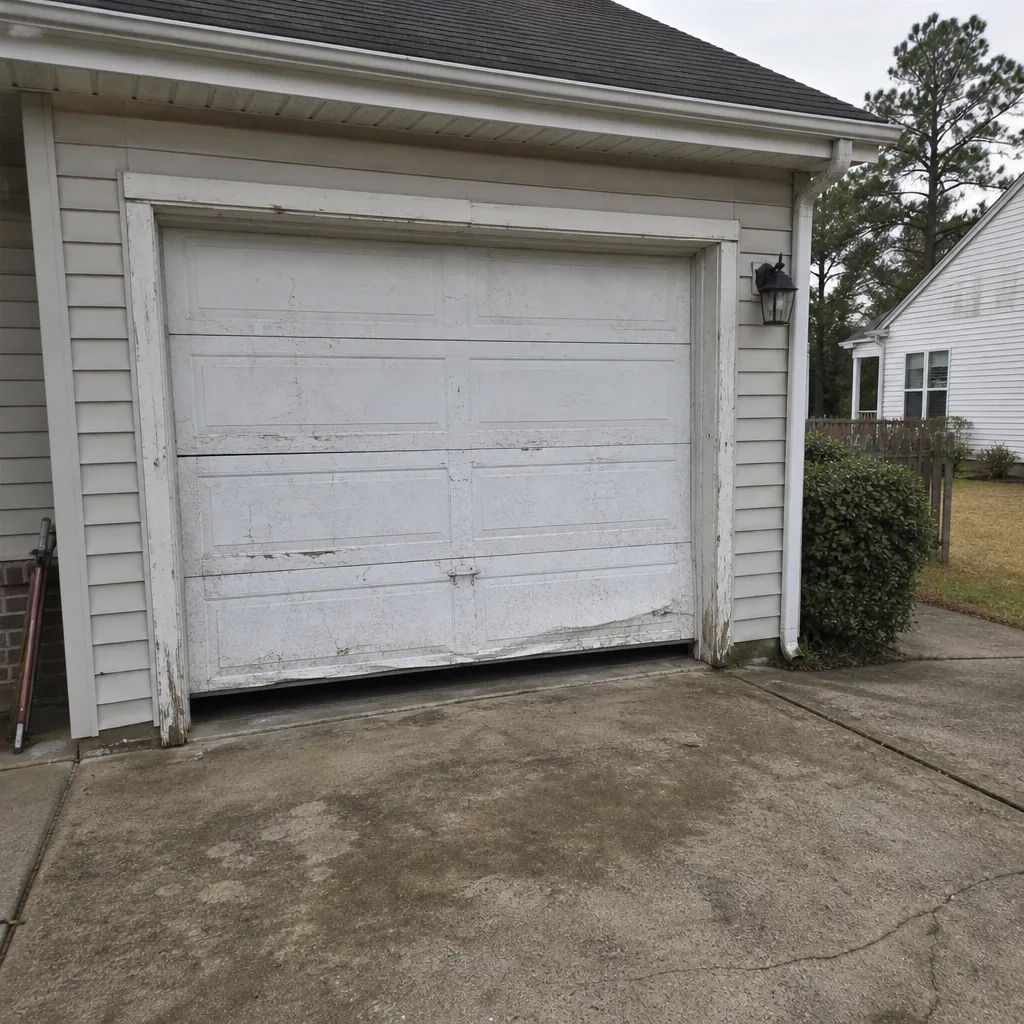 Before
 After
 Before
 After
 Before
 After