
Last updated November 15, 2026
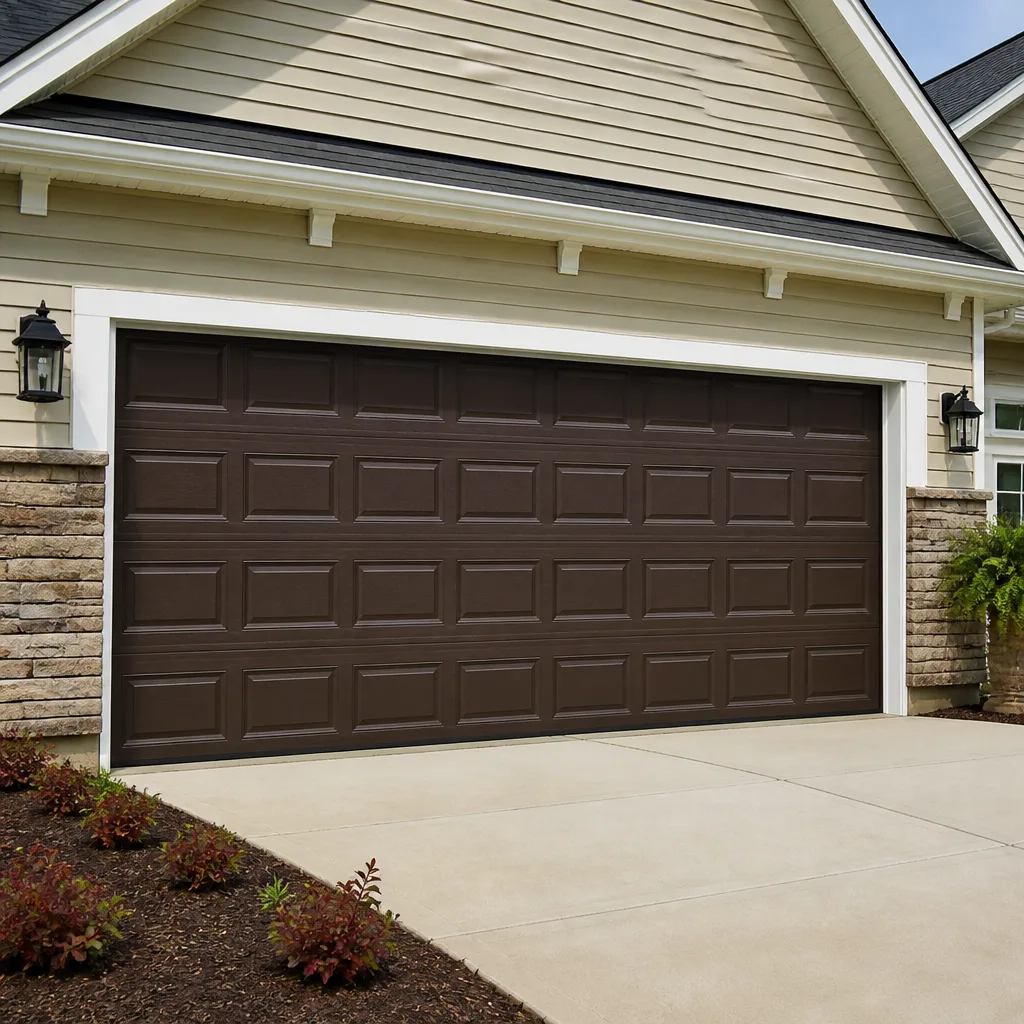 Raised-panel steel
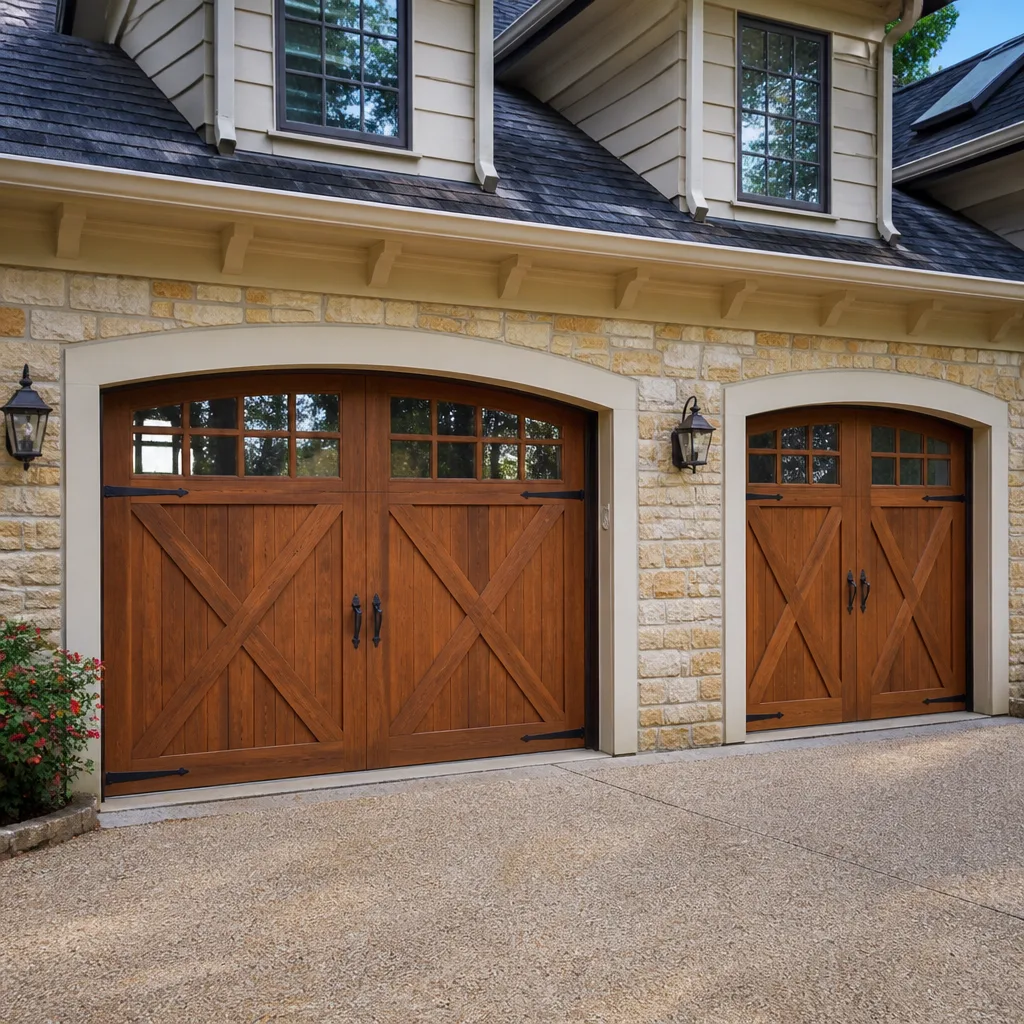 Carriage house
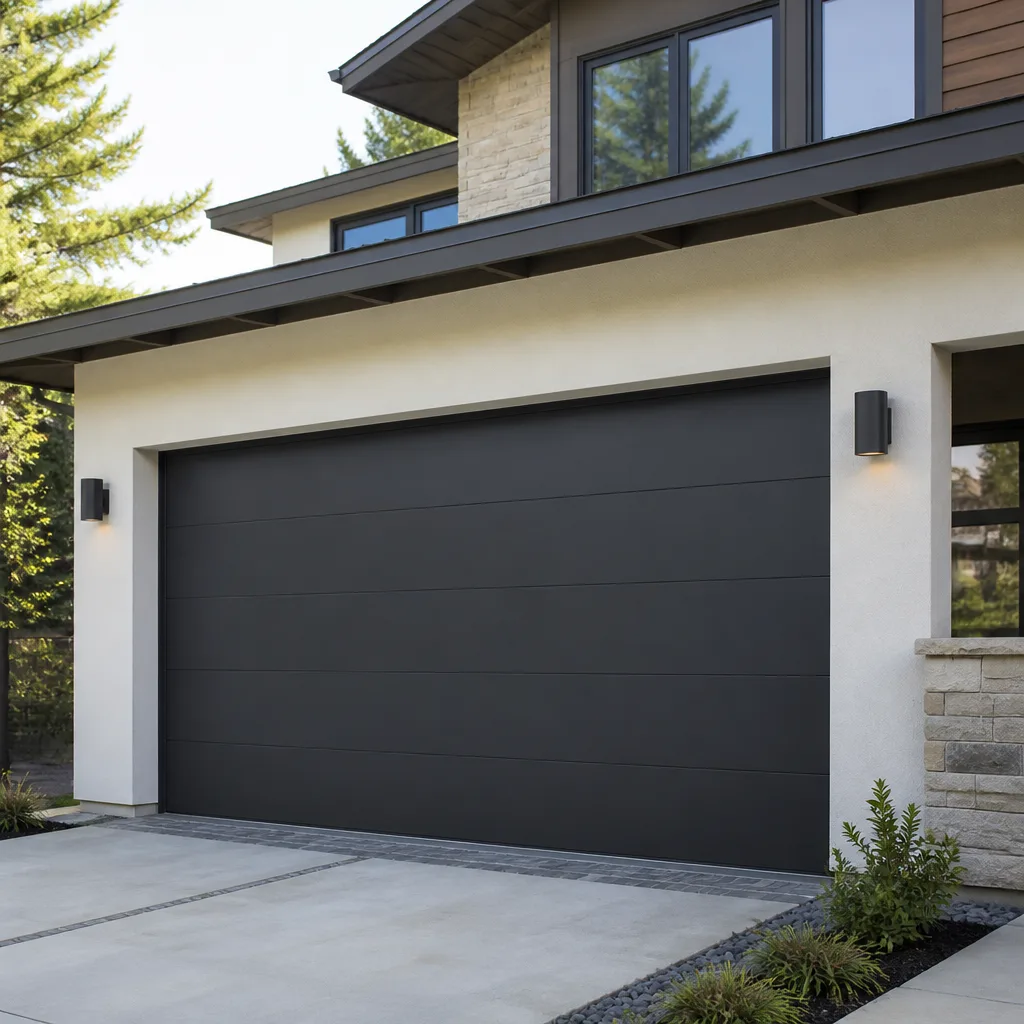 Modern flush
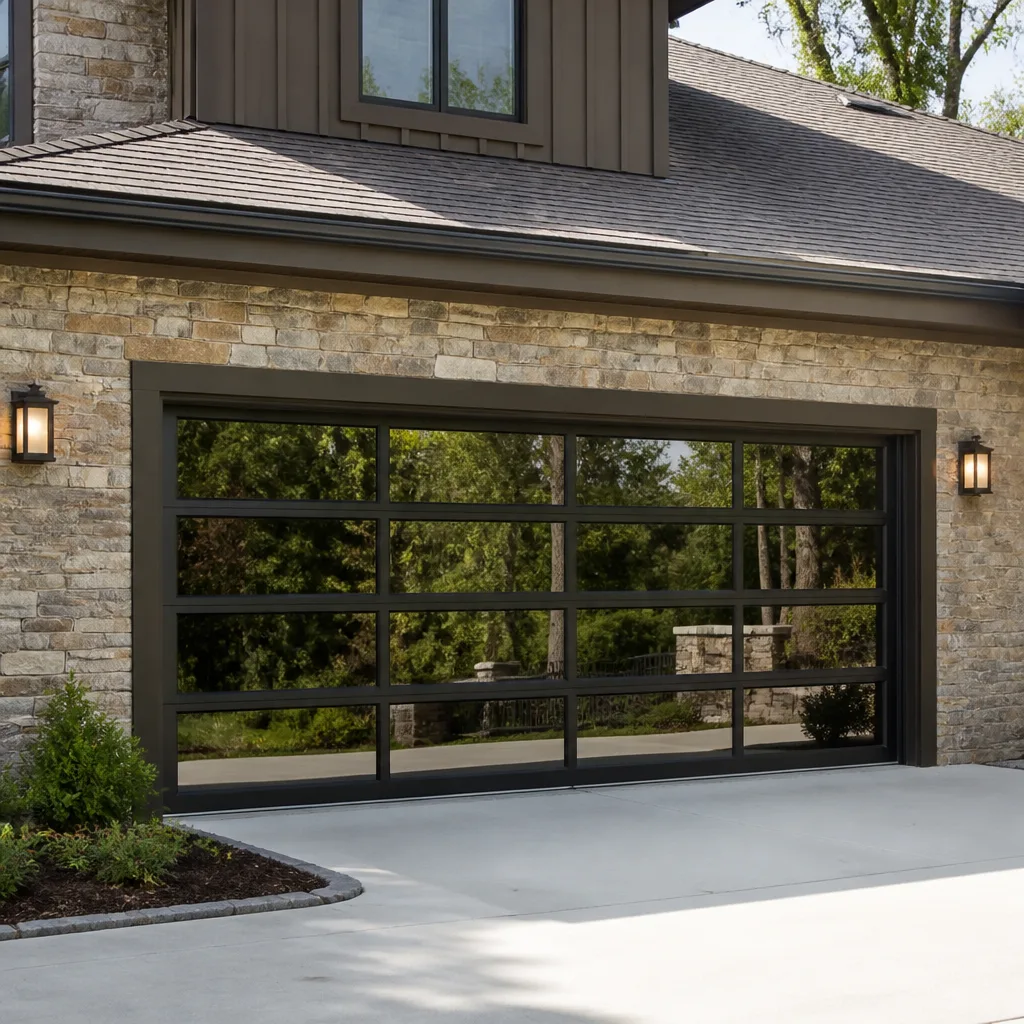 Full-view glass
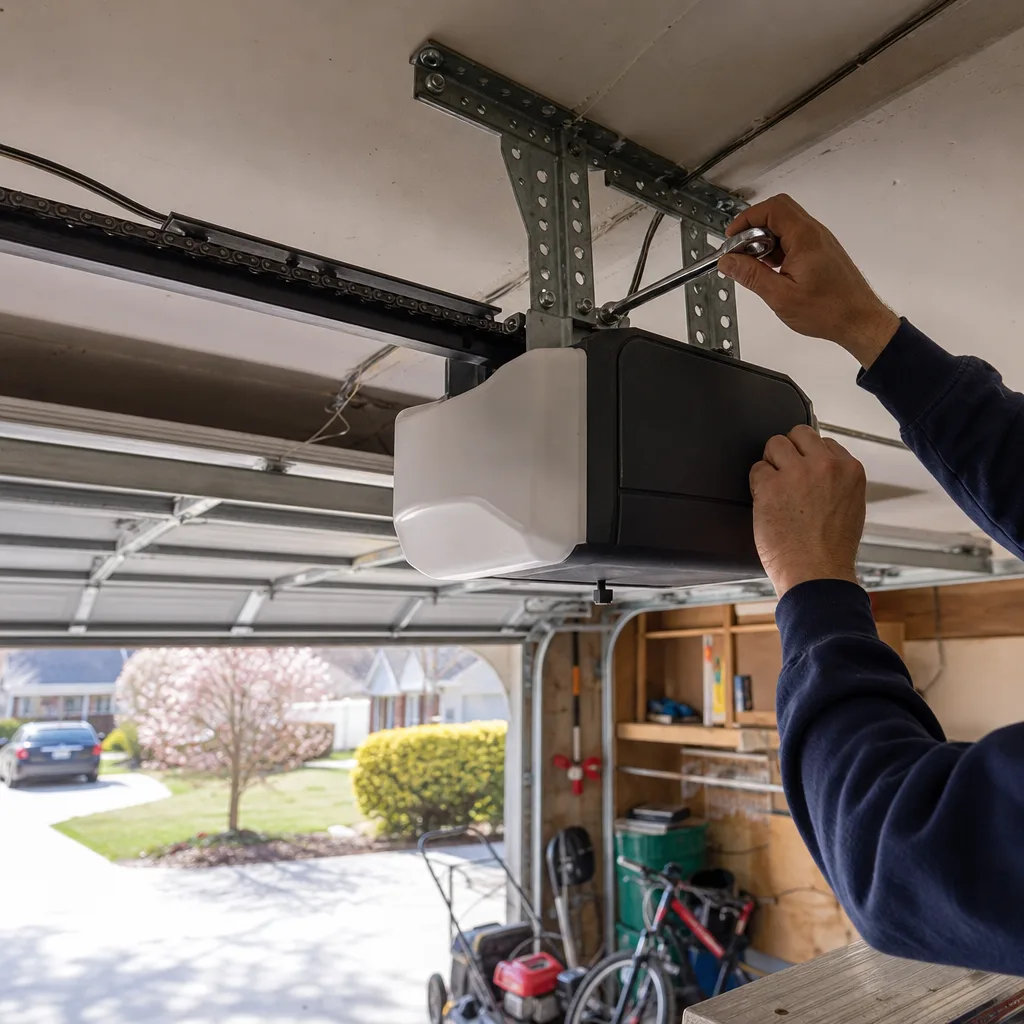
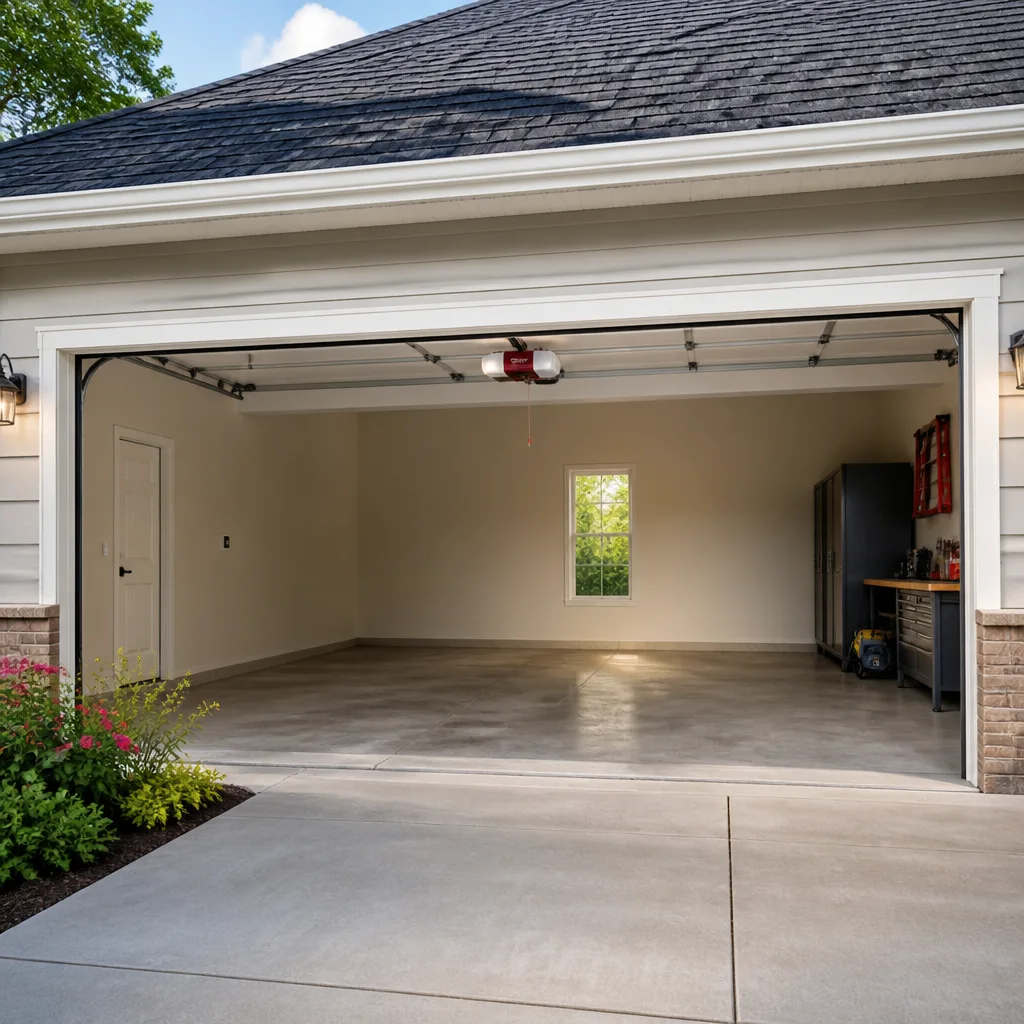 LiftMaster openers
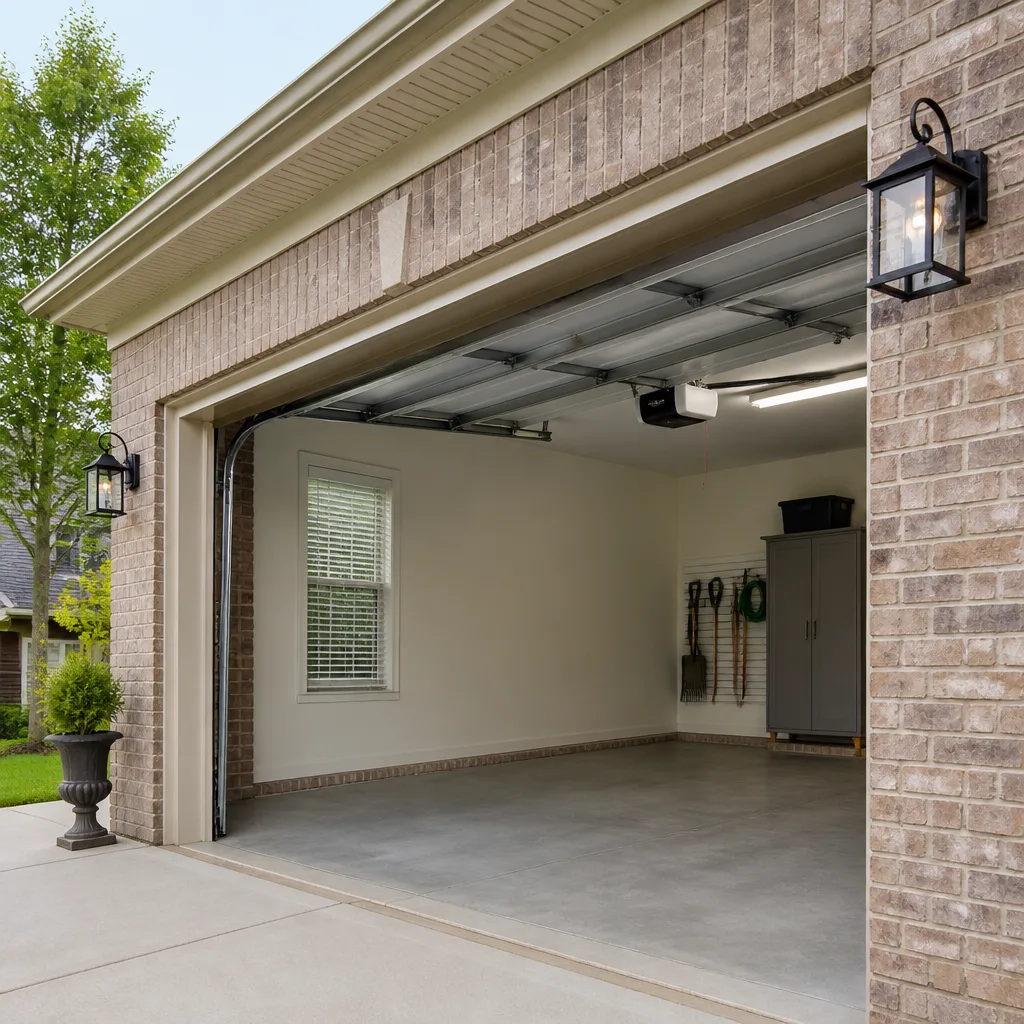 Chamberlain openers
Full 25-point door and opener safety check with every visit - springs, cables, rollers, tracks, and your LiftMaster or Chamberlain opener included
You get a price before we start. It does not change when the pro arrives.
Get your free estimateSeasonal Garage Door Care for Chesapeake: Year-Round Homeowner’s Guide
Most seasonal garage door guides are written for climates with clean winters and mild summers, which describes almost nothing about Hampton Roads. Chesapeake doesn’t hand you four tidy seasons. It hands you humid subtropical summers that push past 90°F for weeks, winter freezes that arrive without much warning, and a hurricane season that runs from June through November while nor’easters pile on through the colder months. A door that coasts through a San Diego year can bind, sag, or stall in a Chesapeake one. This guide builds a care calendar around what Chesapeake actually throws at a garage door, month by month, so you can catch small problems before they strand your car.
Quick Answer
Seasonal garage door care in Chesapeake means matching maintenance to the real local climate: hurricane-season hardware and seal checks before June, heat-related spring and opener checks through summer, freeze-ready lubrication and balance testing in fall, and a tension and cable inspection each spring after winter’s cold cycles. Done on that rhythm, most doors stay functional year-round and small issues get caught before they become repairs.
Styles & brands we work with
- Raised-panel steel
- Carriage house
- Modern flush
- Full-view glass
- LiftMaster openers
- Chamberlain openers
Table of Contents
- Why Chesapeake’s Climate Is Hard on Garage Doors
- Spring Reset: What Winter Leaves Behind
- Pre-Hurricane Season Checklist (May-June)
- Summer Heat, Spring Tension, and Opener Limits
- Fall Prep for Freeze-Thaw Cycles
- Post-Storm Inspection Protocol
- Winter Care During Chesapeake Freezes
- Your Year-Round Care Calendar at a Glance
Why Chesapeake’s Climate Is Hard on Garage Doors
A garage door is a machine that lives in an uncontrolled environment. It has steel springs under constant load, a motor with thermal limits, rubber seals that flex every time the door moves, and a track that must stay true to within a fraction of an inch. Chesapeake’s weather pushes on all four at once. Summer humidity swells wood and works at metal pivot points. A hard freeze can stiffen the grease in rollers and hinges overnight. And the same subtropical moisture that makes July feel heavy also feeds rust on the bottom of the door and the small parts nobody looks at until they fail.
That combination is what makes generic “check your door twice a year” advice thin. The threats here arrive on their own schedule.
- Humidity swells wood panel edges and lets rust start on any bare steel near the floor.
- Heat expands steel and stresses torsion springs that were tensioned in cooler air.
- Freeze-thaw cycles work on seals, thresholds, and any moisture that gets into the tracks.
- Storm season tests the door’s wind-load anchoring, its bottom seal, and its manual release all at once.
None of that requires a special door. It requires a care rhythm that respects Chesapeake’s actual calendar, which is what the rest of this guide sets out.
Spring Reset: What Winter Leaves Behind
By the time March and April arrive in Chesapeake, the door has been through a string of cold nights and rapid warm-ups. Two things typically need attention: cable tension and overall balance. Cables are steel, but they do stretch slightly over cold months as the door cycles through contraction and expansion. A cable a hair loose in February is often a visible sag or a slow-to-close door by April. That’s when a tension check pays for itself before summer load cycles put the door through hundreds of open-and-close runs.
What a spring tension check actually looks like:
- Balance test. With the door closed, pull the manual release. Lift the door by hand about halfway. A properly balanced door stays put or drifts slowly; a door that slams down or won’t hold needs professional adjustment.
- Cable inspection. Look at both cables for slack, fraying, or wear at the drum. Cables are under extreme tension. Do not touch, tighten, or attempt to adjust them yourself.
- Roller and hinge check. Listen for grinding during a full cycle. A worn roller announces itself with noise before it fails.
- Weather seal review. Winter freeze-thaw can crack the bottom seal. A split seal lets water and pests in and stresses the opener as the door drags.
- Opener reset. Clear the opener’s travel limits and force settings, then run a full cycle to confirm the reversing test still triggers on contact with an object.
Spring is also a good time to schedule an inspection if the door hasn’t been looked at since fall. Catching a worn roller or a soft seal now is a small job. Catching it after it strands you isn’t.
Pre-Hurricane Season Checklist (May-June)
Hurricane season in Hampton Roads opens June 1 and runs through the end of November. The years when Chesapeake gets skipped are the years you appreciate the prep; the years it doesn’t, the prep is what keeps your door attached to the house. Before the peak of the season, three things matter most: wind-load anchoring, bottom seal integrity, and emergency manual release function. Each one is a straightforward check you can do with the door closed.
Work through these in order:
- Check the vertical track anchoring. Every bracket that ties the track to the wall should be snug. Loose brackets let wind-driven pressure flex the door and the frame together.
- Inspect the bottom seal. Run a hand along the rubber bottom seal looking for splits, missing sections, or a seal that no longer touches the floor. A compromised seal lets water and wind under the door and can cause the door to chatter in gusts.
- Test the manual release. Pull the red release handle and confirm the door detaches cleanly from the opener. This is the one mechanism you want working if the power goes out during a storm. Re-engage it fully afterward.
- Look at the hinges and rollers. Any play or rust at the hinge plates is worth addressing before storm season, not after.
- Confirm the opener’s force settings. A door that struggles to close in normal weather will struggle more in a pressure change. If the opener has been straining, get it serviced now.
If you own a Wayne Dalton or Amarr door, check the model-specific hardware spec sheet for the anchoring pattern the door was designed for. If you don’t have the spec, a technician can confirm it. garage door repair service in Chesapeake regularly includes storm-prep checks, so it’s a natural time to schedule one.
Summer Heat, Spring Tension, and Opener Limits
Sustained 90°F-plus stretches are the single biggest seasonal stress on a Chesapeake garage door. Two systems feel it most: the torsion springs and the opener motor. Springs are steel under constant load. Heat expands the metal slightly, which changes the tension the spring delivers and, over a season, can change how the door balances. A door that opened smoothly in May may feel heavier in August. That heavier feel is a signal, not a quirk.
The opener side is simpler: most openers have a thermal cutout that shuts the motor down when it runs too hot. In a Chesapeake July garage, an opener that cycles a dozen times in an afternoon can reach that limit and stall. If your opener stops mid-cycle on a hot day and starts working again an hour later, it’s usually thermal protection engaging, not a dead motor. But it’s also a sign the opener is running harder than it should.
Summer checks worth doing:
- Listen for spring noise. A creak or pop from the torsion system gets more serious in heat, not less.
- Watch for slow starts. An opener that hesitates before lifting is often fighting a door that’s out of balance.
- Check the wall button and safety sensors. Sun angle through an open garage in summer can interfere with photo-eye sensors on some setups. Wipe the lenses and confirm the indicator lights.
- Don’t over-cycle a struggling opener. If it’s stalling in heat, get it looked at rather than holding the button down.
If the opener is the issue, garage door opener repair is a focused job. Most common brands, including LiftMaster, Chamberlain, Genie, and Craftsman, have well-known failure points that a technician familiar with the line can identify quickly.
Fall Prep for Freeze-Thaw Cycles
Chesapeake winters aren’t long, but the freeze-thaw cycles that come with them are what cause damage. Water gets into a hinge, a roller bearing, or a track joint during a warm afternoon, then freezes overnight, expands, and works the fitting loose. Fall is the window to get ahead of that. The single biggest variable in fall prep is the lubricant. Not all garage door lubricants behave the same below freezing, and the wrong one turns a smooth door into a binding one by December.
What to know before you lubricate:
- Below-freezing behavior matters. Light oils and general-purpose sprays that feel fine in October can thicken or congeal when the temperature drops to 30°F. When they do, they turn rollers and hinges into stiff joints that make the door drag. A garage-door-specific lubricant rated for cold weather is the right call; general WD-40 style sprays are not a substitute for rollers and hinges and can attract grit.
- Lubricate the moving parts, not the track surface. Rollers, hinges, and the torsion bar get lubricant. The track itself does not; grease on the track attracts dirt and causes binding.
- Check the bottom seal before the first freeze. A cracked seal lets in cold air and water; sealing it now prevents a longer problem later.
- Test the balance after lubrication. A door that still feels heavy after lubricating is telling you something mechanical has changed.
If you own a Clopay or Raynor door, the manufacturer’s manual usually calls out specific lubricant recommendations for the rollers and hinges. Following the manual’s guidance beats guessing at the hardware store.
Post-Storm Inspection Protocol
After a named storm or a nor’easter rolls through Chesapeake, the door deserves a look before you assume it’s fine. Wind-driven rain gets into places a normal rain doesn’t, and storm gusts can shift a track a fraction of an inch without visibly damaging the door. The inspection is simple and takes about ten minutes. Do it before you cycle the door for the first time after the storm.
- Look at the tracks from the inside. Both vertical and horizontal tracks should look straight and parallel. A bend or a kink anywhere along the rail is a stop signal.
- Check the bottom seal and the panels for water damage. Look for standing water at the threshold or soft spots on any wood panel edge.
- Test the manual release. Confirm the red handle still detaches the door from the opener cleanly. If the storm knocked the door slightly off balance, you want to know before you stress the opener.
- Run the opener once slowly and watch. Listen for a new noise, a scrape, or a stall. If the door stops mid-cycle, don’t force it.
- Check the safety reverse. Place an object in the door’s path and confirm the door reverses on contact. This is the safety feature most worth trusting after a storm.
If anything looks off, stop there and call a technician. A door that’s been knocked out of alignment is a real injury risk to work on. A specialist can true the track and set the balance without touching the spring system unnecessarily. Highpoint Garage Door Service handles post-storm checks as part of routine repair work across Chesapeake.
Winter Care During Chesapeake Freezes
A Chesapeake winter is not a Great Lakes winter, but a hard freeze overnight after a mild afternoon is exactly the kind of swing that causes trouble. Two things matter most in winter: keeping the door’s moving parts free of congealed lubricant, and watching for any sign of binding on the first cold morning. If the door groans on a 28°F morning and runs fine by noon, it’s the lubricant. If it groans all day, it’s likely mechanical.
Winter practices worth keeping:
- Watch the first cold cycles. The first 30 seconds of the first cold-morning cycle tell you whether the lubricant is holding up.
- Keep snow and ice out of the threshold. Ice buildup at the bottom seal stresses the seal and can cause the door to close unevenly.
- Don’t force a frozen door. If the door won’t lift cleanly, the opener’s force setting may push harder than the door can handle. Stop and check the manual release.
- Expect some stiffness on the very coldest mornings. A door that hesitates for a second when it’s below 25°F is usually fine; a door that stalls every time is asking for service.
One Chesapeake-specific winter risk worth naming: the freeze-thaw window between an overnight freeze and a warm afternoon. That’s when moisture works into the track and hinge joints, then refreezes. A light cold-rated lubricant in fall is what prevents this from turning into a spring repair.
Your Year-Round Care Calendar at a Glance
Here’s the whole year in one place, ordered by when the work helps most in Chesapeake:
- March-April: Balance test, cable inspection, roller and hinge check, weather seal review, opener reset.
- May-June: Hurricane-season prep: track anchoring, bottom seal, manual release, force settings.
- July-August: Watch for spring noise and opener strain in heat; clean photo-eye sensors.
- September-October: Cold-rated lubrication on rollers and hinges, bottom seal check, balance test after lubricating.
- November-February: Winter watch: frozen-door protocol, threshold clearing, first-cold-morning observations.
Everything on that list is a check, not a repair. The repair work, when it’s needed, is a specialist’s job: springs, cables, torsion bars, and opener electronics are not homeowner-tool territory. Our technicians have up to 15 years of experience, and we work on the brands Chesapeake homeowners actually own, including Amarr, Wayne Dalton, and Raynor. When a check turns up a real problem, the written estimate is the price, agreed before any work starts, so there’s no invoice surprise at the end.
Common Mistakes to Avoid
- Lubricating the track. Grease on the track attracts grit and causes binding. Rollers, hinges, and the torsion bar get lubricant; the track stays dry. In a humid Chesapeake summer, a greased track also collects fine dust that acts like sandpaper on the rollers.
- Using a general-purpose spray instead of a cold-rated garage door lubricant. It feels fine in October and binds in January. The freeze-thaw cycles here are short but real.
- Tightening springs or cables yourself. Torsion springs and the cables that run through them are under extreme tension and cause serious injury when they release. This is the one part of seasonal care that should never be a DIY job. Have a professional handle any spring, cable, or torsion adjustment.
- Ignoring a door that hesitates in heat. A struggling opener in July isn’t just slow; it’s telling you the door is out of balance or the motor is working harder than it should. Waiting until it fails strands you.
- Skipping the post-storm check. A nor’easter can shift a track a fraction of an inch without obvious damage. Running the door as usual after a storm is how small alignment issues turn into cable or roller failures.
- Overlooking the bottom seal. The seal is the door’s first defense against water, wind, and pests. A split seal in Chesapeake’s humidity rusts the bottom panel edge and lets water in during every storm.
- Testing the safety reverse by pushing on the door. Use an object in the door’s path, not your hand, and test the reverse monthly. It’s the safety feature most likely to fail silently.
See the difference
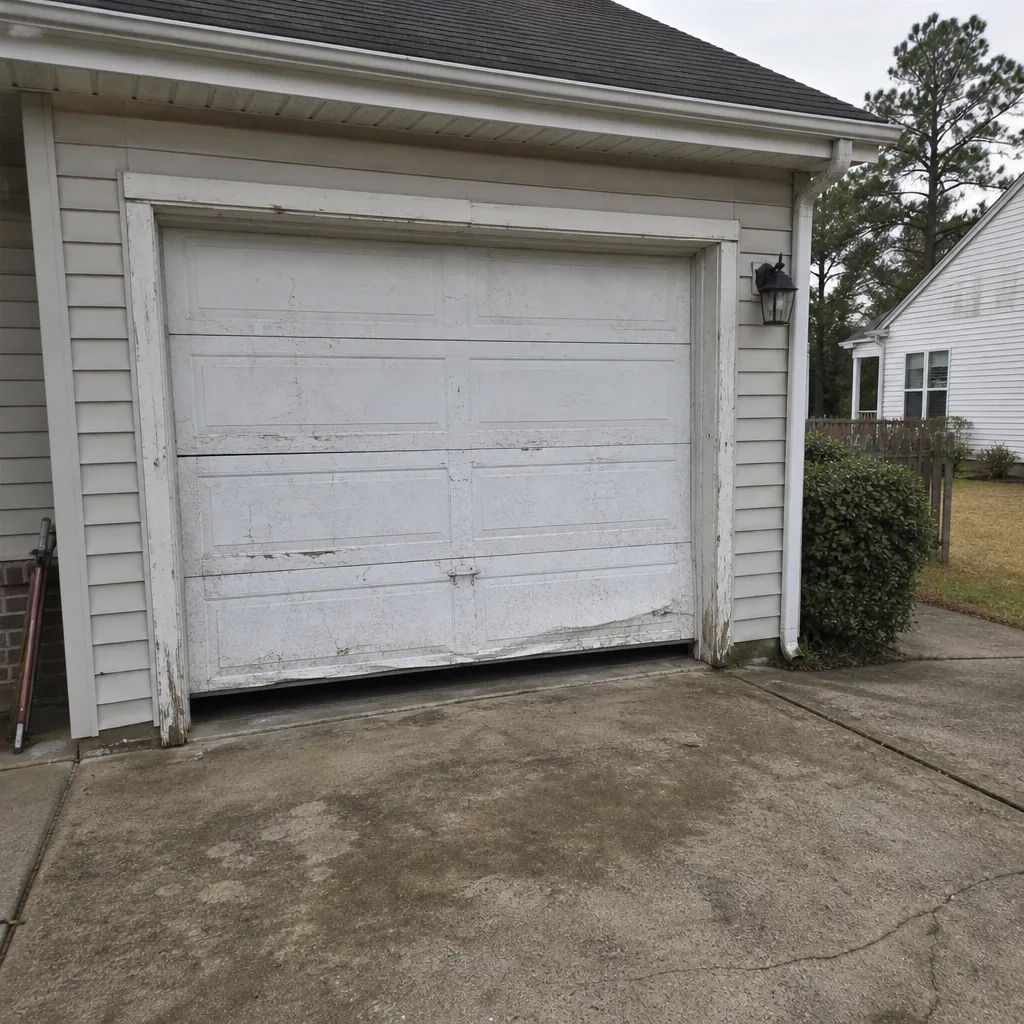 Before
 After
 Before
 After
 Before
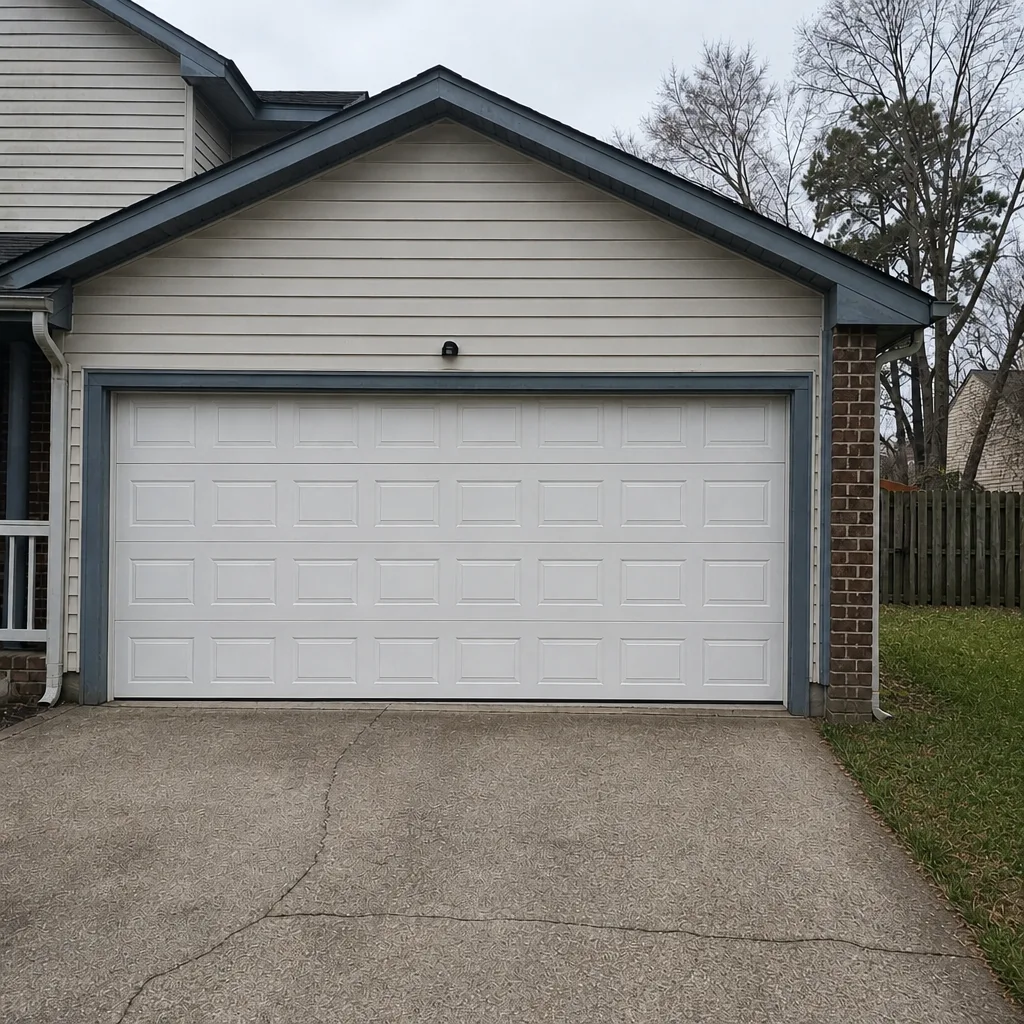 After
When to Call a Professional
Some seasonal checks are yours to do; others should be a phone call. Call a specialist if the door won’t balance when you release it and lift it by hand, if you hear a popping or snapping sound from the torsion system, if the door looks out of plumb or a track is visibly bent, if the opener stalls or reverses without an object in the path, or if the door has been through a named storm and anything about it feels off. Springs, cables, and torsion bars are genuinely dangerous components: they hold enormous stored tension, and an injury happens in an instant. A trained technician will confirm the diagnosis and quote the repair before touching anything. Highpoint Garage Door Service offers free estimates in Chesapeake. Call (877) 309-4107. We answer 24/7. Fast dispatch from 7am to 7pm, Sunday through Friday. You can also see how we handle Chesapeake service calls and read more about what a repair visit involves.
Frequently Asked Questions
Once a year is the baseline for most Chesapeake homes, but the timing matters more than the count. The best time is late spring for a full balance and cable check, with a lighter inspection before hurricane season opens in June and a lubricant and seal check in September. Homes near the water and homes with older wooden doors benefit from a mid-summer look too, because humidity and heat combine to stress both wood panels and steel springs.
Yes, because a door that opens fine is usually a door that’s about to have a first problem, not a door that won’t have one. Springs, cables, and rollers wear slowly, and the first sign is usually a small noise or a slight hesitation. Catching that at the annual service is a much smaller job than catching it after the door stops in the up position. Call (877) 309-4107 for a free estimate if you’re unsure whether your door needs service.
No. Torsion springs and the cables that work with them are under extreme tension, and a released spring can cause serious injury or death. Seasonal care is limited to lubrication, visual inspection, the balance test with the manual release, and the reversing test. Any adjustment to spring tension, cable slack, or the torsion bar itself belongs to a trained technician. If your inspection turns up a problem in that area, stop and call a specialist.
A garage-door-specific lubricant rated for cold weather is the right choice. General-purpose spray lubricants and light oils can thicken or congeal when temperatures drop toward freezing, and a congealed lubricant turns smooth rollers and hinges into binding joints. Use it on the rollers, hinges, and torsion bar, not on the track. Check your door’s manual for the manufacturer’s recommendation; Clopay and Raynor manuals in particular call out specific products for the moving hardware.
Check the tracks for bends, the bottom seal for splits, and the manual release for a clean detach, then run the opener once slowly while watching for new noise or a stall. Test the safety reverse with an object in the door’s path. If anything looks off, don’t run the door until a technician has looked at it. A storm that shifted the track a fraction of an inch can cause the door to fail the next time it’s cycled under load.
Most steel garage doors last 15 to 20 years with regular maintenance, but Chesapeake’s humidity and storm season shorten that on doors that go without seasonal care. Wood doors move more with humidity and need more frequent inspection. A door that gets the annual spring balance check, the fall lubricant refresh, and a post-storm look will usually reach the upper end of that range. A door that skips all three tends to develop rust, seal failures, and spring problems sooner.
The Bottom Line
Chesapeake doesn’t do tidy four-season maintenance, and a garage door guide written for a milder climate won’t get you through a Hampton Roads year. The care calendar here matches the actual threats: hurricane prep in May and June, heat-related spring and opener checks through summer, cold-rated lubrication and freeze-ready seals in fall, a tension and balance reset in spring, and a post-storm look after any named system. The checks are mostly yours to run; the repairs are a specialist’s job. Springs, cables, and torsion bars are dangerous components, and a trained technician should handle anything beyond lubrication and visual inspection. When it’s time for a real repair or a new door, we’re glad to quote it.
Written by the team at Highpoint Garage Door Service.