
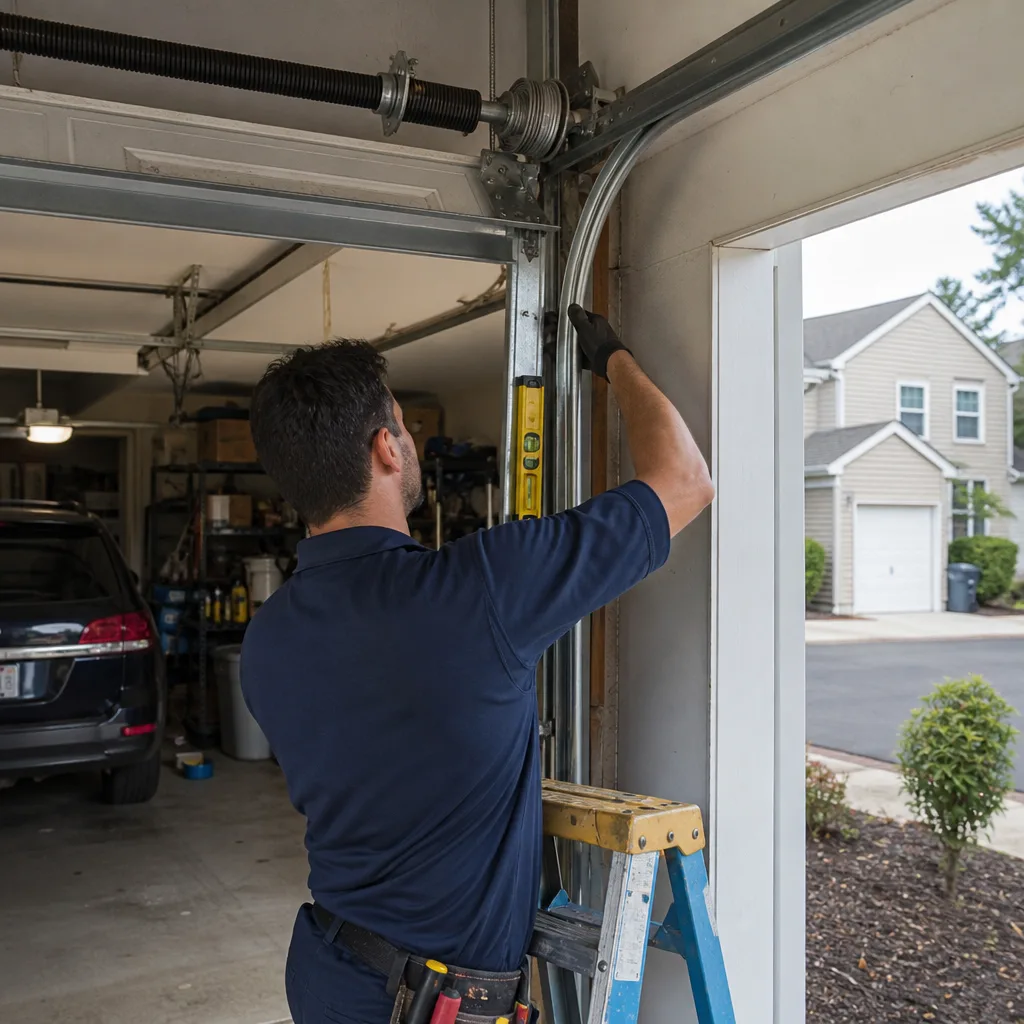
Last updated November 15, 2026
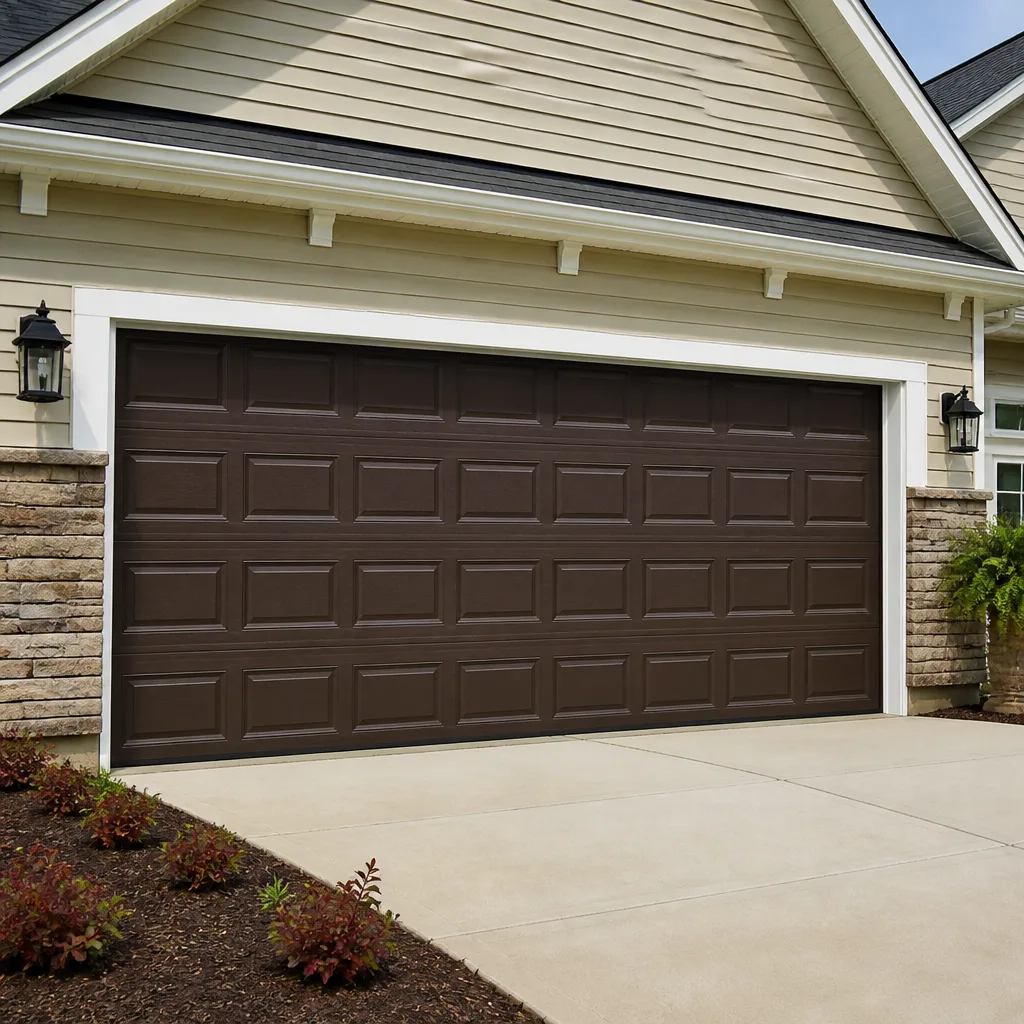 Raised-panel steel
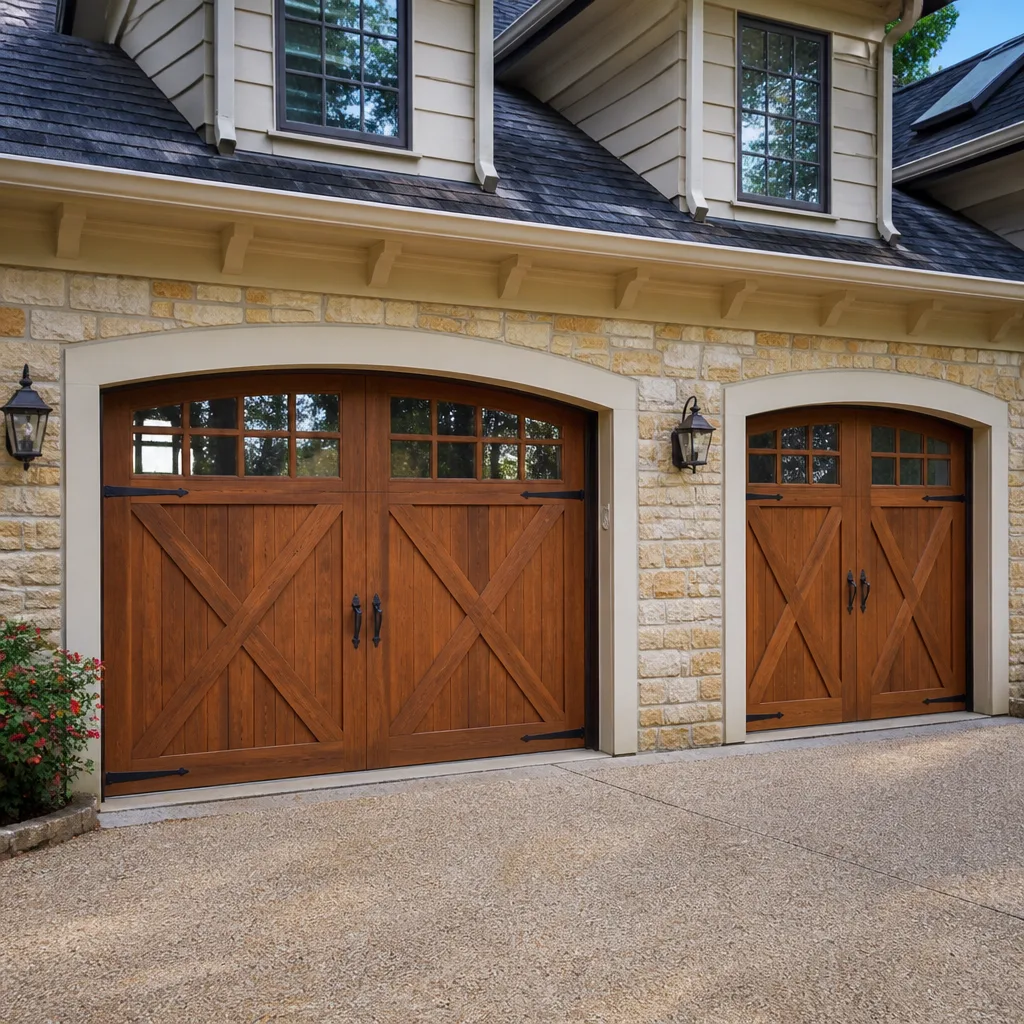 Carriage house
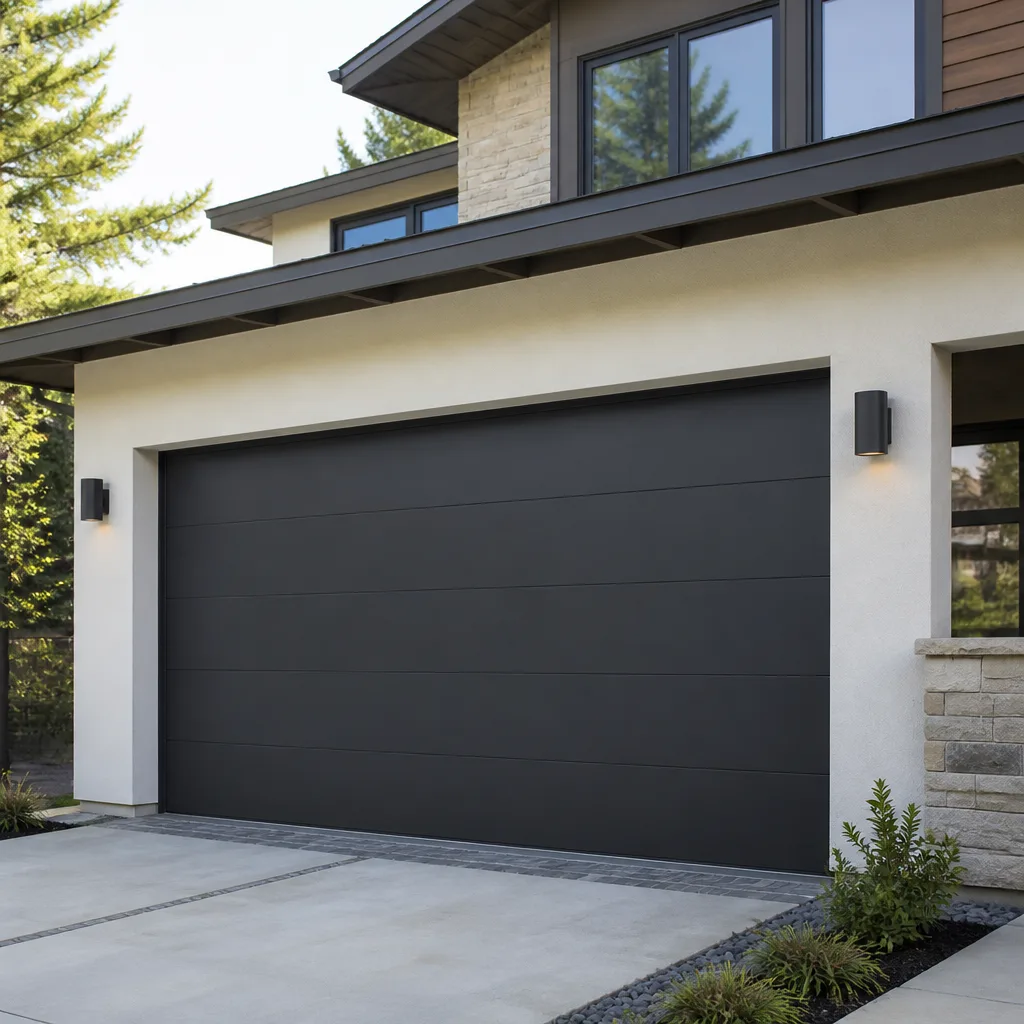 Modern flush
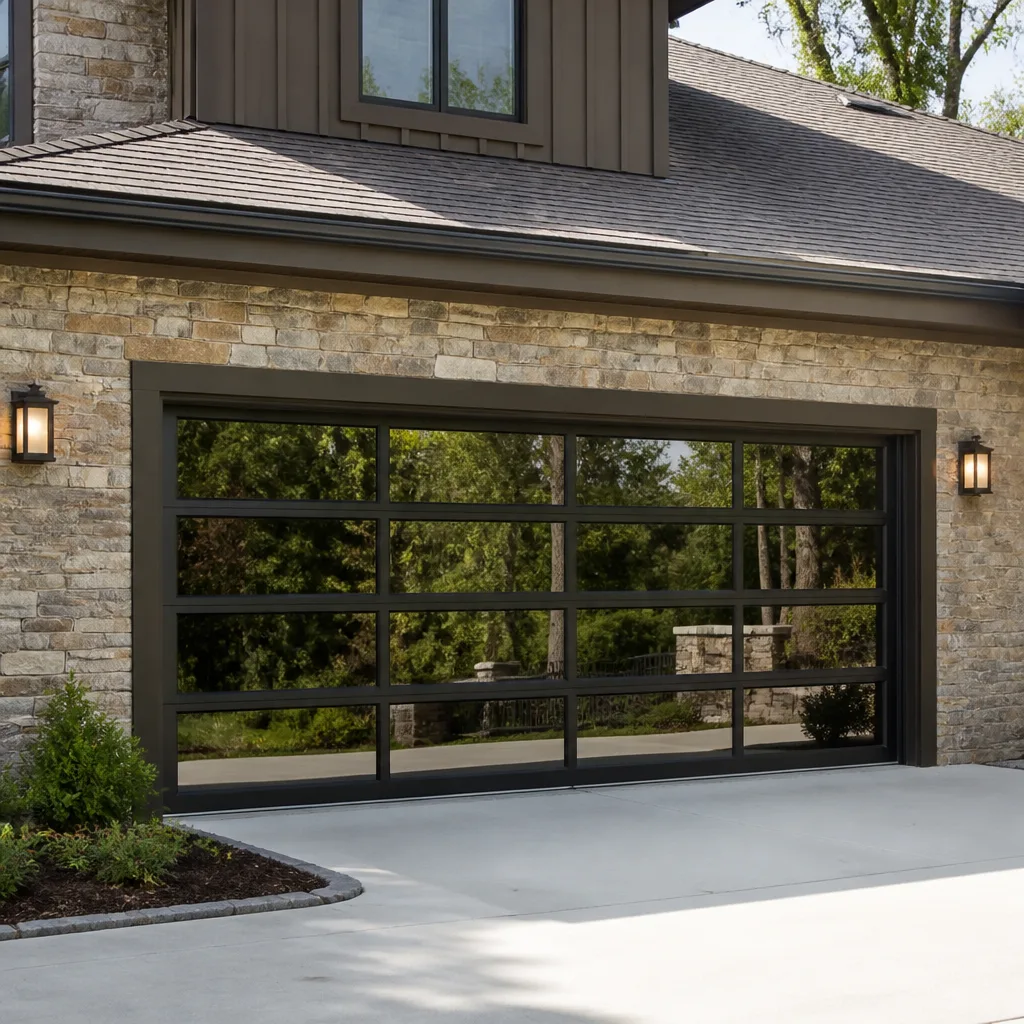 Full-view glass
 LiftMaster openers
 Chamberlain openers
Full 25-point door and opener safety check with every visit - springs, cables, rollers, tracks, and your LiftMaster or Chamberlain opener included
You get a price before we start. It does not change when the pro arrives.
Get your free estimateGarage Door Emergency Preparedness Guide for Chesapeake Homes
Most homeowners think of a garage door failure as an annoyance to fix when it’s convenient. In Chesapeake, that assumption can cost you a day, a vehicle, or worse. Hurricane season and nor’easter season both put real wind pressure on garage doors here, and the door is often the largest opening in the house. If it fails during a storm, it can compromise the structure, not just your parking spot. This guide covers what actually matters before, during, and after a garage door emergency in Chesapeake: how to open a dead door safely, how to secure one before a storm, what to do when a storm has already done damage, and the emergencies nobody plans for until they happen. Read it once now, and you’ll know what to do in thirty seconds when it counts.
Quick Answer
Garage door emergency preparedness in Chesapeake means three things: knowing how to use the manual release correctly during a power outage, securing the door from inside before a named storm or nor’easter, and knowing when a damaged door is unsafe to operate. Most emergencies here are preventable with ten minutes of preparation. When something does go wrong, a specialist can assess and repair the door faster than a generalist, and we’re available to help at (877) 309-4107.
Styles & brands we work with
- Raised-panel steel
- Carriage house
- Modern flush
- Full-view glass
- LiftMaster openers
- Chamberlain openers
Table of Contents
- How to Open a Garage Door During a Power Outage
- Pre-Hurricane Preparation for Chesapeake Garage Doors
- Which Door Types Are Most Vulnerable to Wind Failure
- What to Do Immediately After Storm Damage
- Garage Door Security During Extended Power Outages
- Emergency Release Cord: Proper Use and Common Mistakes
- How to Restore Normal Operation After Manual Use
- Common Mistakes to Avoid
- When to Call a Professional
- Frequently Asked Questions
How to Open a Garage Door During a Power Outage
A garage door won’t open during a power outage until you disengage the opener using the manual release cord. The cord hangs from the trolley that connects the door to the opener rail, usually with a red handle. Pulling it disconnects the door from the opener so you can lift it by hand. That part is simple. The problem is what happens next, because most homeowners don’t know their door needs to be reconnected before normal operation resumes, and a door left disconnected can cause real trouble later.
Here’s the safe sequence during an outage:
- Locate the release cord. It hangs from the opener trolley, not the door itself. On most openers it’s a red handle at roughly head height.
- Pull straight down on the cord, firmly but not sharply. You should feel the trolley release.
- Lift the door by hand. If it’s a single-car door, one person can manage it. A double door can be heavier than expected, especially older steel or wood models.
- Prop the door open only if you need it open. If you’re not actively driving through, close it and leave it closed.
- When power returns, do not simply press the remote. The door is still disconnected. You’ll need to re-engage the trolley, which we cover below.
One important safety note: if the door feels extremely heavy or won’t lift at all, stop. That usually means a broken spring, and no amount of pulling will safely open the door. Forcing it can cause the door to come down hard. Call us at (877) 309-4107 and we’ll walk you through the situation. We answer 24/7, and fast dispatch runs from 7am to 7pm.
Pre-Hurricane Preparation for Chesapeake Garage Doors
Before a named storm or a nor’easter reaches Chesapeake, the garage door needs two things done: it needs to be checked for existing weakness, and if it’s not going to be used during the storm, it needs to be secured from the inside against wind pressure. Wind doesn’t just push on a door. It finds the gaps, gets behind the panels, and creates pressure from both sides. A door that’s fine in a light breeze can buckle under sustained wind because the tracks and rollers give way before the panels do.
A practical pre-storm checklist for Chesapeake homeowners:
- Test the balance of the door. Disconnect the opener, lift the door halfway, and let go. A balanced door stays put. One that slams down or drifts has a spring problem and should be repaired before a storm.
- Check the tracks for bends or looseness. Run your hand along each vertical track (with the door closed and the opener off). Any wobble or bend is a weak point in wind.
- Inspect the bottom seal and side weatherstripping. Wind-driven rain enters through failed seals. If yours is cracked or missing sections, that’s a storm leak waiting to happen.
- Secure the door from inside if it won’t be used. With the door fully closed and the opener disengaged, brace it by placing a length of lumber or a purpose-made brace across the inside of the door at mid-height, wedged against the floor or a wall. This reduces the door’s tendency to flex inward under pressure. Do not drive with the brace in place.
- Move anything loose away from the door’s interior. Ladders, bikes, and stored items can become projectiles if wind gets in.
If your door is older than a decade or has visible rust on the tracks, have it looked at before hurricane season. A pre-season inspection is cheap compared to a post-storm replacement, and our technicians are experienced with Clopay, Amarr, Wayne Dalton, and other common brands.
Which Door Types Are Most Vulnerable to Wind Failure
The doors most likely to fail under wind pressure in Chesapeake are single-width, single-panel tilt-up doors, older wood doors with weakened framing, and any door with a failed or missing bottom seal. Panel doors with modern reinforcement do better, but only if the tracks and hinges are in good shape. A door is only as strong as its weakest connection point.
Here’s how the common door types hold up:
- Single-panel tilt-up doors: Most vulnerable. They have no hinged sections to distribute pressure and the entire panel takes the load at once. Older versions are often wood-framed and rot from the bottom up.
- Sectional steel doors (Clopay, Amarr, and similar): Generally better, but the hinges and rollers are the failure points. A door with worn hinges will buckle at the joints before the panels bend.
- Wood sectional doors: Strong when maintained, but vulnerable if the finish has failed or the panels have absorbed moisture. Wayne Dalton wood-look models and older Craftsman installations are common in this category.
- Aluminum or glass-panel doors: Lightweight and visually attractive, but the panels themselves are fragile under impact. Wind pressure can flex frames and pop glazing.
Whatever you have, the practical question is whether the door has been inspected in the last two years. If not, get an assessment before storm season. The technician can tell you what needs reinforcing and what doesn’t.
What to Do Immediately After Storm Damage
After a storm, the first thing to do is leave the door alone until you’ve assessed it from a safe distance. A visibly damaged door can be a structural hazard. Bent tracks mean the door can drop without warning. A sprung or broken spring means the door is unsupported. Panels that are visibly bowed might be holding spring tension in a way that fails when the door moves.
Here’s the safe post-storm protocol:
- Stand outside the door and look at it. Are the tracks bent? Are the panels bowed or cracked? Is the door sitting level, or has it dropped on one side?
- Do not operate the opener. If the door is damaged, moving it can bring the whole assembly down.
- Do not try to force the door open by hand. If the spring is intact but the tracks are bent, the door can jam and swing unpredictably.
- Look for water intrusion inside. A storm that drove rain through the seal may have soaked stored items, which can create mold over the following days.
- Call us if anything looks wrong. We can assess whether the door is safe to move and what the repair involves.
A door that’s off its tracks entirely is a hazard. Don’t drive through, don’t lift it, and don’t put a vehicle in the garage until someone qualified has looked at it. Call us at (877) 309-4107 for a free estimate. We answer 24/7. Fast dispatch from 7am to 7pm, Sunday through Friday.
Garage Door Security During Extended Power Outages
A garage door stuck open during an extended outage is a different emergency than one stuck closed. Stuck closed, the worst case is inconvenience: you can’t get the car out, but the house is secure. Stuck open, the house has a large unsecured opening. During a storm that knocks out power for a day or more, that opening becomes a real security issue in any neighborhood, no matter how quiet it normally is.
Here’s what we recommend if you’re facing a multi-day outage:
- Secure the interior door first. If your garage connects to the house, close and lock the door between them. That’s the fastest way to isolate the unsecured space.
- Cover the open door if possible. A sheet of plywood or a heavy tarp across the opening reduces visibility into the garage, which is the main concern. This isn’t a substitute for a working door, but it changes the risk profile.
- Move valuables. If the garage has tools or equipment visible from the street, move anything high-value into the house.
- Plan the repair for the next open dispatch window. If the door is mechanically sound and only the opener is dead, a manual release gets you functional again. If the door itself is damaged, it needs a repair assessment before you can safely secure it.
The best protection against an extended-outage security problem is a door that can be manually operated. Test your manual release at least once a year, before you need it. It’s a five-minute check that most homeowners never do.
Emergency Release Cord: Proper Use and Common Mistakes
The emergency release cord is the single most misunderstood part of a garage door system. It’s intended for power outages and emergency situations. It is not a maintenance tool, not a shortcut, and not something to pull when you’re trying to troubleshoot the opener. Homeowners trigger it by accident more often than you’d think, usually while reaching for something else on the opener rail or while trying to fix a door that’s stuck.
The cord is a short pull on a trolley. When you pull it, you’re physically disconnecting the door from the opener. That’s it. The opener has no idea it happened. The next time you press the remote, the opener motor cycles but nothing happens to the door. If you don’t know what caused that, it looks like a total failure. In our experience with Chesapeake service calls, we regularly find openers that were “broken” when what actually happened was a triggered release cord.
How to tell if the release cord has been pulled:
- The opener motor runs but the door doesn’t move.
- The trolley is sitting at one end of the rail while the door is in a different position.
- The red handle is hanging lower than usual or is visibly displaced.
If that matches what you’re seeing, the fix is to re-engage the trolley. See the next section.
How to Restore Normal Operation After Manual Use
Restoring normal operation after manual use comes down to re-engaging the trolley that connects the door to the opener rail. The exact method depends on your opener, but the general sequence is the same on most LiftMaster, Chamberlain, Genie, and Craftsman models:
- Make sure the door is in the closed position and the opener is powered on.
- Locate the trolley on the rail. There’s usually a lever or a small tab that needs to be flipped or pressed to re-engage.
- Press the wall button or remote to run the opener. On many models, the opener will reconnect automatically when it cycles.
- Test by running the door up and down a couple of times. If the door moves with the remote, the trolley is connected.
- Check the safety reverse. Place a small object on the floor under the door and run it closed. The door should stop and reverse when it contacts the object.
If the opener runs but the door still doesn’t move after you’ve tried to re-engage the trolley, something else is wrong. That could be a stripped gear in the opener, a broken belt or chain, or a failed logic board. For a dealer-level diagnosis of your opener, we offer garage door opener repair with free estimates in Chesapeake.
Common Mistakes to Avoid
- Forcing a door that won’t lift. If a manual door feels stuck or extremely heavy, the spring is likely broken. Pulling harder can cause the door to drop. Stop and call a specialist. This is one of the most common injuries we hear about.
- Pulling the release cord during a storm. Some homeowners pull the cord thinking they’re securing the door. In fact, they’re disconnecting it from the opener, which means the opener can’t hold it in place. If a storm is coming, leave the door engaged.
- Leaving the door disconnected for weeks. It’s easy to forget the trolley was released. Homeowners come home from a trip, press the remote, and assume the opener is dead. Get it re-engaged the same day if possible.
- Operating a visibly damaged door. Bent tracks, dropped corners, and bowed panels are all signs the door needs assessment first. Moving it can bring it down.
- Not testing the manual release before hurricane season. Chesapeake gets early-season storms. The time to test the release is when the weather is calm, not when the power is already out.
- Wrapping the door in plastic. We’ve seen homeowners wrap garage doors in plastic sheeting before a storm. That traps pressure rather than relieving it and can damage the finish. It’s not a wind barrier.
- Ignoring a loud bang from the garage. If you hear a sharp crack or bang from the garage, especially during a storm, don’t assume the cat knocked something over. Springs break loudly, and a broken spring is a hard stop until repaired.
When to Call a Professional
Call us when the door won’t move and you’ve confirmed the release cord isn’t the cause, when you see bent tracks or dropped corners, when you hear a loud bang from the garage, when the manual release cord was pulled and the trolley won’t re-engage, or when a storm has visibly damaged the door. Any of these situations involves spring tension or structural failure, and those are not DIY territory. Highpoint Garage Door Service offers free estimates in Chesapeake, and we’re specialists, not a generalist who handles doors as a side job. Our technicians have up to 15 years of experience and work on all the major brands. Call (877) 309-4107. We answer 24/7. Fast dispatch from 7am to 7pm, Sunday through Friday.
Frequently Asked Questions
Yes. Pull the red emergency release cord hanging from the opener trolley, then lift the door by hand. It’s important to know that the door is now disconnected from the opener and won’t respond to the remote until you re-engage the trolley. For assistance or if the door won’t lift, call (877) 309-4107 for a free estimate.
Secure the door from the inside using a brace across the panels, close and lock the door between the garage and the house, and move anything valuable inside. Don’t try to force the door closed if it’s stuck. Call (877) 309-4107 to book a repair before the storm.
No. A bent track means the door can drop or jam without warning, and operating it risks further damage or injury. Leave it closed and call a specialist. We can assess the door and give you a written estimate before any work begins. Call (877) 309-4107.
You’ll usually hear a sharp bang from the garage when it fails. After that, the door will feel extremely heavy when you try to lift it by hand, and the opener may run without moving the door or move it unevenly. Garage door springs are under high tension and are dangerous to handle. Call (877) 309-4107 for a free estimate.
Not necessarily. Check the emergency release cord first. If it was pulled, the trolley is disconnected and the opener can’t move the door. Re-engage the trolley and test again. If the door still doesn’t move, call (877) 309-4107 to schedule a diagnostic.
Yes. Because the area sees both hurricanes and nor’easters, the door needs an annual pre-season inspection for balance, track condition, and seal integrity. If the door won’t be used during the storm, brace it from the inside. If you’re unsure whether your door is storm-ready, call (877) 309-4107 for a free assessment.
The Bottom Line
Garage door emergencies in Chesapeake are almost always preventable with preparation. Test your manual release before you need it, know how to re-engage the trolley, and have a storm-prep plan that includes securing the door from inside. If something does go wrong, don’t force a heavy door, don’t operate a visibly damaged one, and don’t try to handle spring tension yourself. Call us and we’ll get the door back to working right. We’re a garage door specialist serving Chesapeake, with free estimates and a written price agreed before any work starts. For more about who we are, see Highpoint Garage Door Service, or explore our Chesapeake service area and our full garage door repair capabilities.
If your door is damaged and needs service now, call (877) 309-4107 for a free estimate. We answer 24/7. Fast dispatch from 7am to 7pm, Sunday through Friday, closed Saturday.
Written by the team at Highpoint Garage Door Service.
See the difference
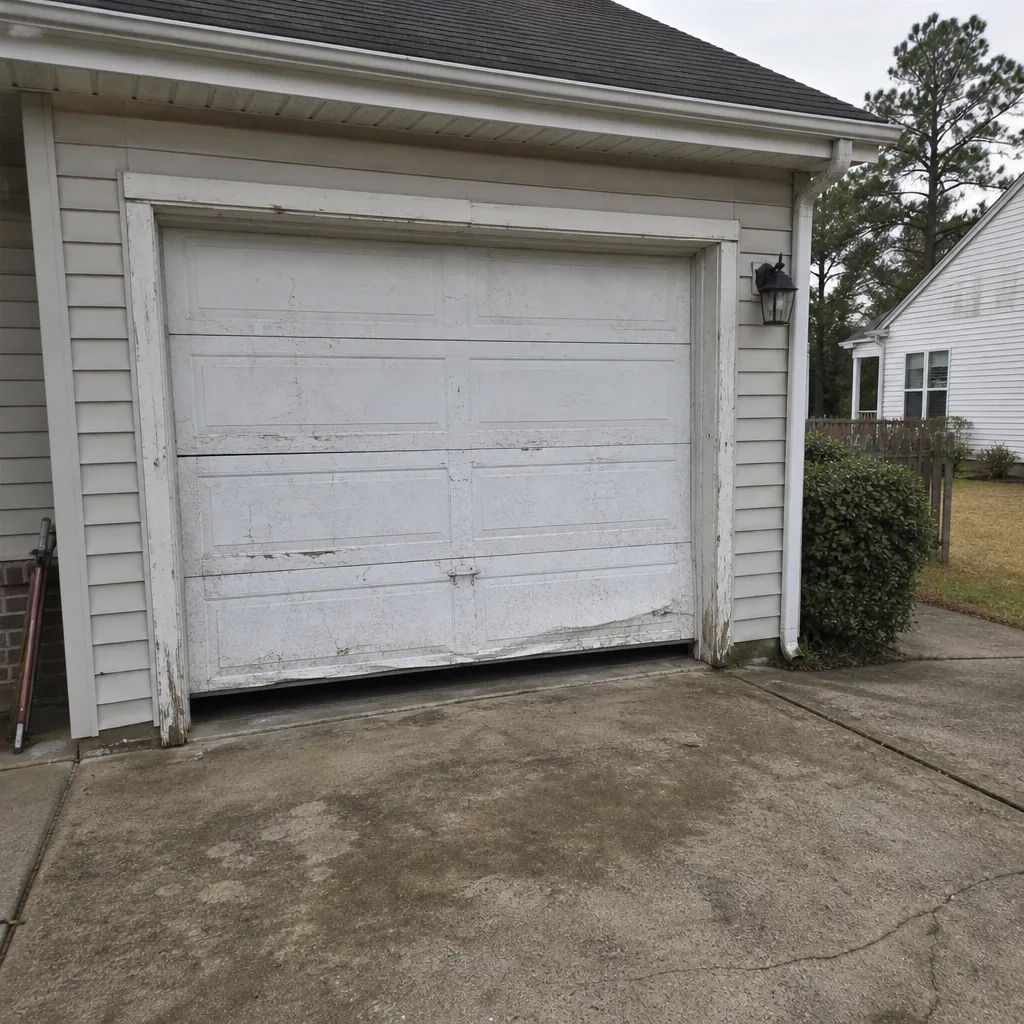 Before
 After
 Before
 After
 Before
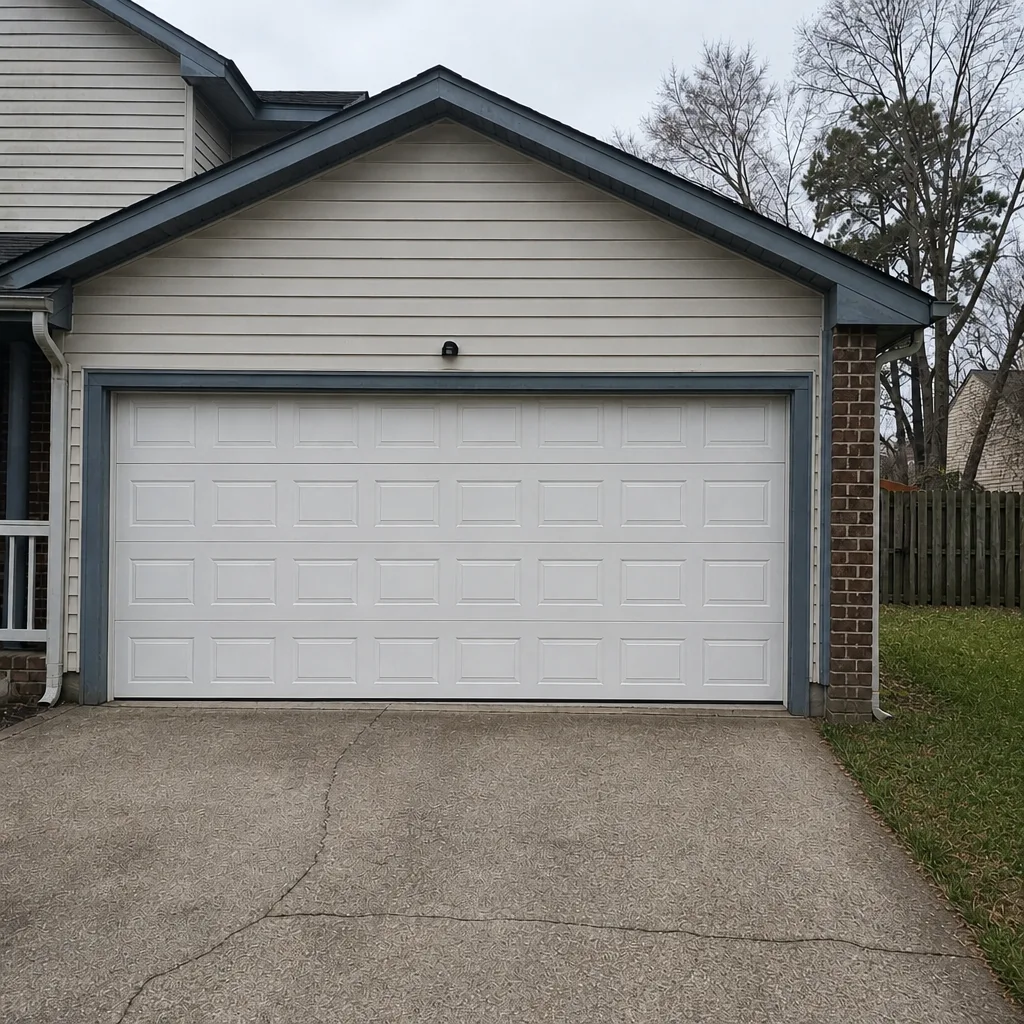 After