
Last updated November 15, 2026
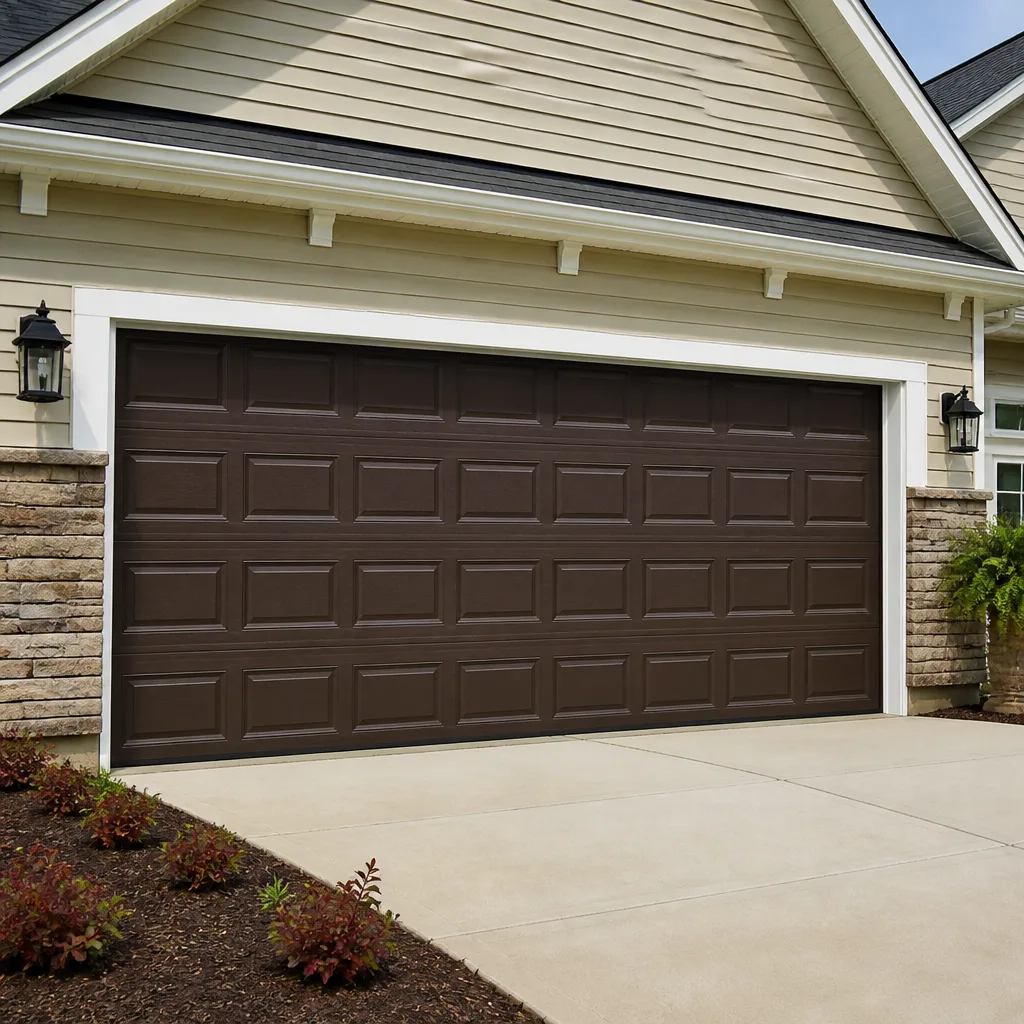 Raised-panel steel
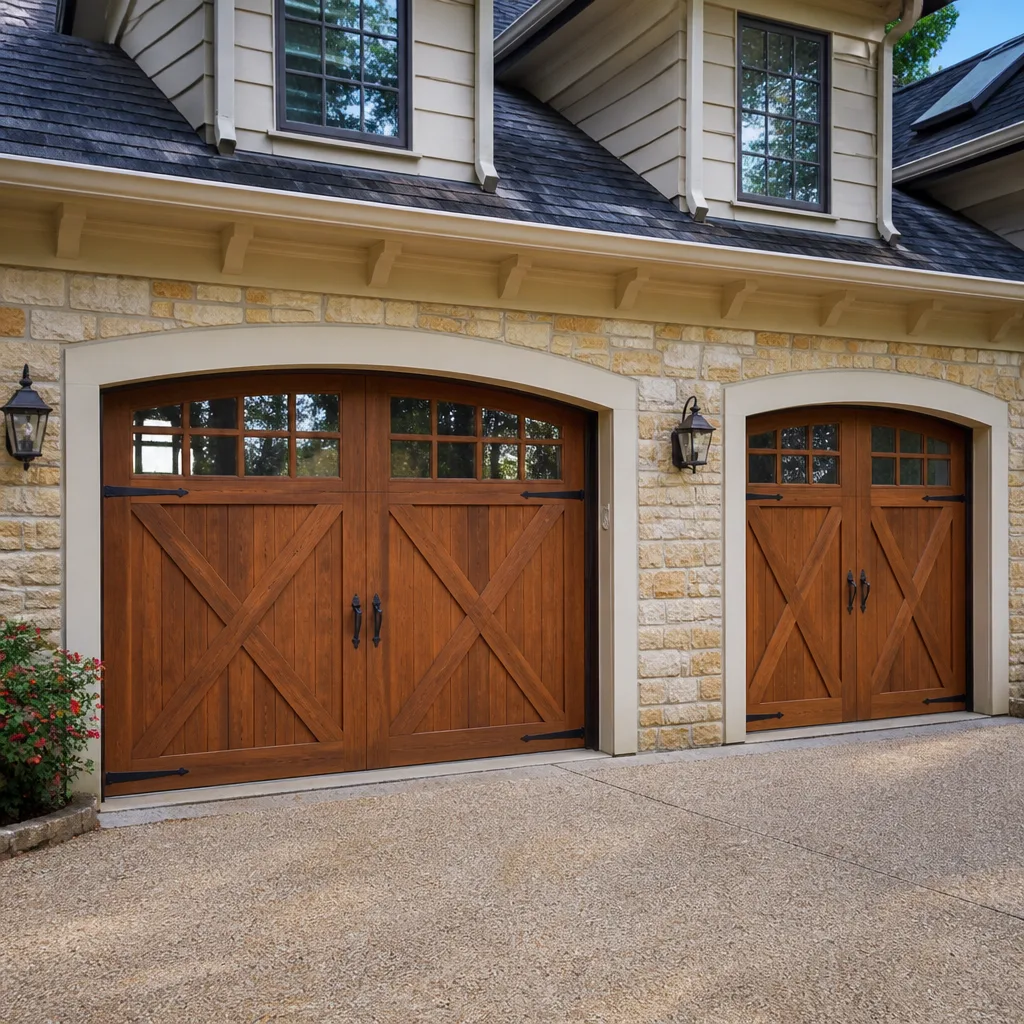 Carriage house
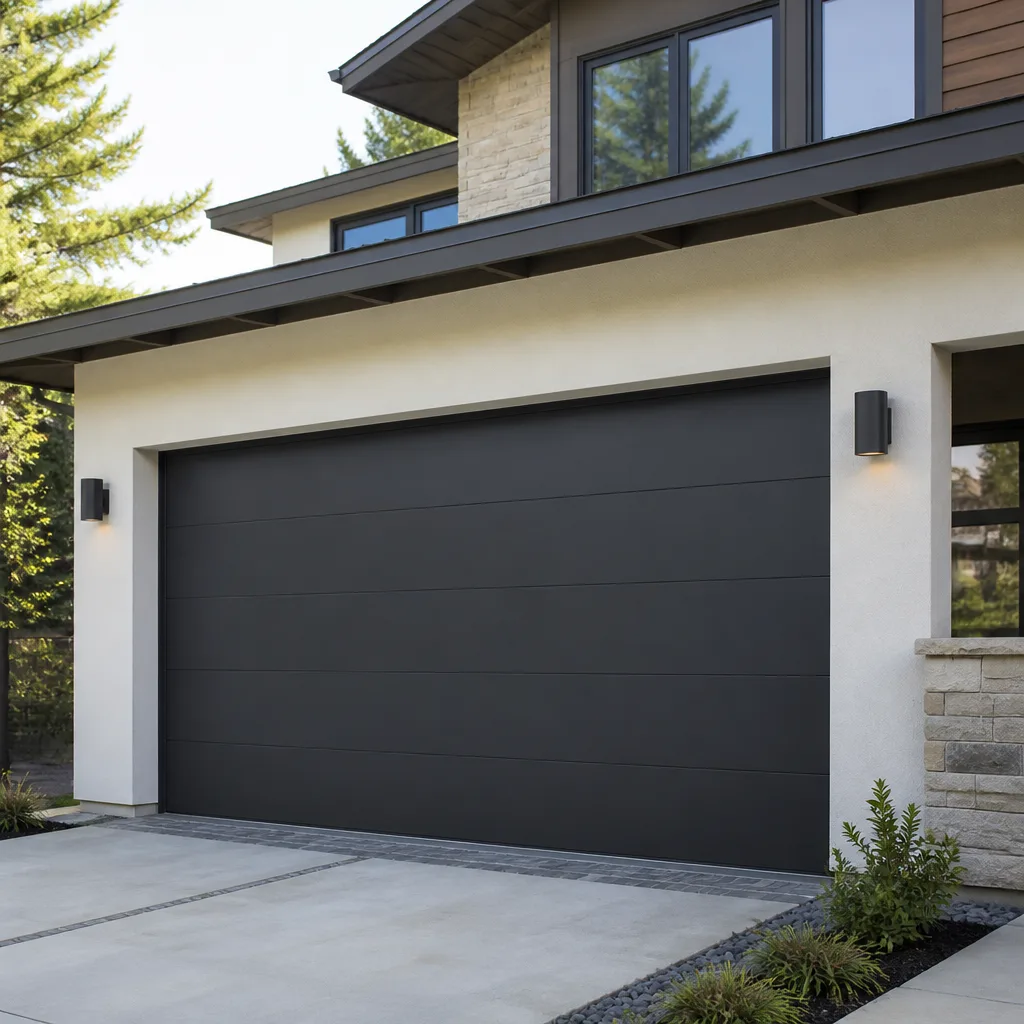 Modern flush
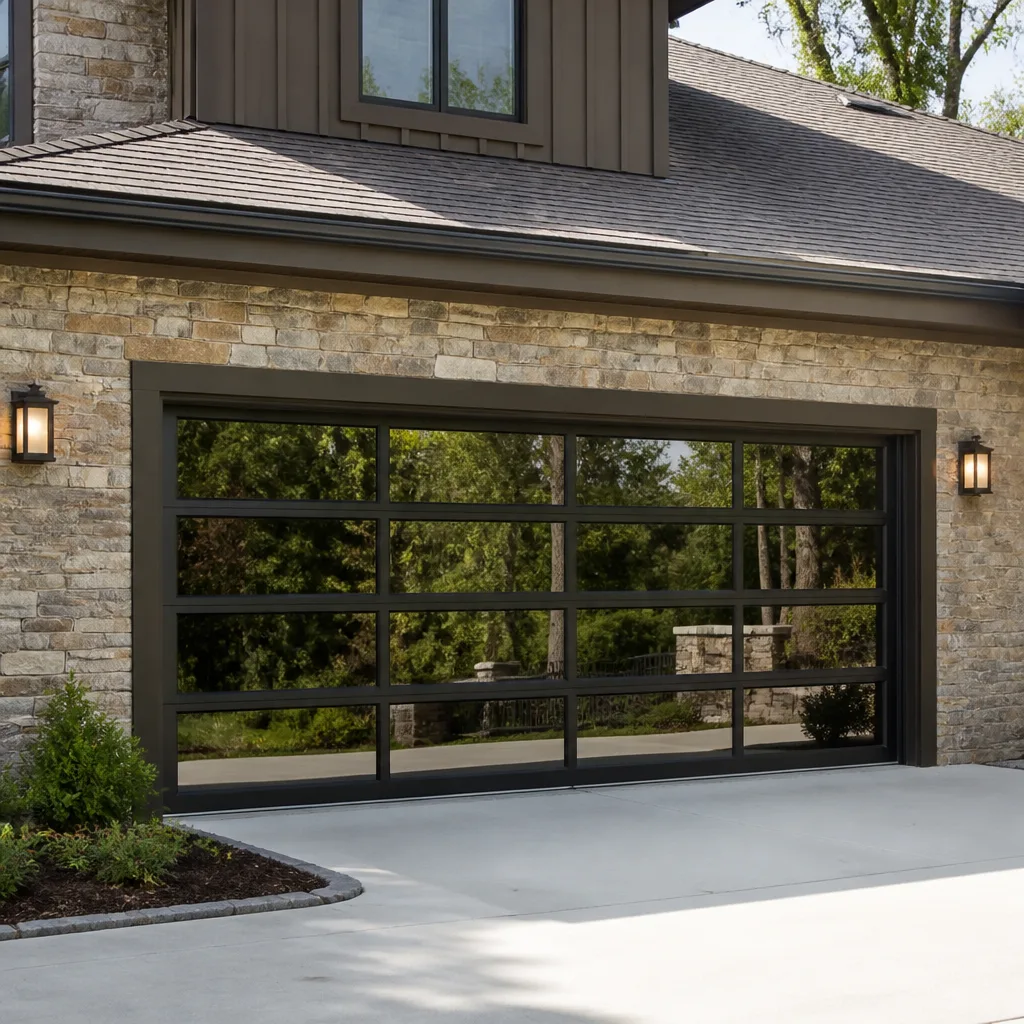 Full-view glass
 LiftMaster openers
 Chamberlain openers
Full 25-point door and opener safety check with every visit - springs, cables, rollers, tracks, and your LiftMaster or Chamberlain opener included
You get a price before we start. It does not change when the pro arrives.
Get your free estimateGarage Door Repair Maintenance Schedule: What to Do and When
Lubricating your garage door springs every six months won’t stop a cable from fraying. Springs and cables wear on completely different cycles, and treating them the same is the reason plenty of “well-maintained” doors still fail without warning. The same goes for rollers, hinges, weatherstripping and the opener itself: each part has its own lifespan, its own inspection interval, and its own failure mode. In this guide, we lay out a tiered maintenance schedule built around how components actually wear, not around an arbitrary spring-and-fall checklist. You’ll learn exactly what to check monthly, what to service yearly, what to leave to a technician, and how Chesapeake’s humid summers and storm season shift the timeline.
Quick Answer
A garage door needs three tiers of care: a 10-second balance and visual test once a month, lubrication and hardware tightening every six to twelve months, and a professional inspection of springs, cables and the opener once a year. Rollers should be replaced every 18 to 24 months, cables inspected monthly and professionally every two years, weatherstripping checked each season. The parts that actually strand your car (springs and cables) rarely fail on the schedule homeowners expect, which is why the calendar below is tied to component lifespans instead of seasons.
Styles & brands we work with
- Raised-panel steel
- Carriage house
- Modern flush
- Full-view glass
- LiftMaster openers
- Chamberlain openers
Table of Contents
- The 10-Second Monthly Test (and What Drift Tells You)
- Lubrication Done Right: Why Product Choice Matters
- Component-by-Component Intervals
- Opener Maintenance and the Warranty Rules Homeowners Skip
- Seasonal Checks for Chesapeake Homes
- How Chesapeake Humidity Compresses Hardware Life
- Your 12-Month Maintenance Calendar
- Common Mistakes to Avoid
- When to Call a Professional
The 10-Second Monthly Test (and What Drift Tells You)
Every homeowner in Chesapeake should be able to answer one question in ten seconds: does my door stay where I put it? Pull the release cord to disconnect the opener, lift the door to about halfway, and let go. A healthy door holds position. If it drifts down an inch or two before settling, the spring tension is off, and that imbalance is exactly what overloads the opener motor and speeds up wear on the cables and rollers.
Drift isn’t a cosmetic quirk. It tells you the counterbalance system is no longer matching the door’s weight, which means the opener is doing work the springs should be doing. Left alone, that extra load shows up later as a stripped gear, a burned-out motor, or a snapped cable. On a double door, the drift gets worse faster because there’s more weight to carry.
While you’re there, run through this quick monthly visual pass:
- Cables: look for fraying, kinks or slack on either side. A cable that’s starting to birdcage needs professional attention, not a wait-and-see.
- Rollers: check for cracks or flat spots, and confirm each one still sits squarely in its track.
- Hinges and brackets: look for loose bolts, rust streaks or metal fatigue at the bend points.
- Weatherstripping: check the bottom seal and the perimeter for gaps, tears or hardening.
- Tracks: wipe away grit and confirm the vertical and horizontal sections still line up.
The balance test is the one you can do yourself without touching tension. Adjusting springs is a different story, and we cover that below. If the door drifts or the cables look suspect, stop cycling it and schedule a look. Our garage door repair team can check the balance and tension and tell you plainly whether the system is still within spec.
Quick Answer: A door that drifts down an inch or two during the balance test has lost spring tension. That’s a professional adjustment, not a DIY fix.
Lubrication Done Right: Why Product Choice Matters
Here’s where a lot of well-intentioned maintenance actually causes damage: the wrong lubricant. WD-40 is the classic offender. It’s a solvent-based penetrating spray, not a lasting lubricant, and on nylon rollers it can degrade the material over time while attracting grit that grinds the roller against its stem. What it does well (loosening a rusted bolt) is not what a garage door needs.
Different components want different products. Get this part right and the rest of the schedule does its job:
- Steel hinges: a lithium- or silicone-based grease. A light coat at the pivot points is plenty.
- Rollers: a silicone spray or a dedicated roller lubricant. Nylon rollers need very little; a dry silicone is the safest choice.
- Springs: a spray lubricant formulated for garage door hardware. This reduces coil friction and slows rust, but it does not extend spring life the way some guides claim.
- Tracks: never grease the tracks. Clean them and leave them dry. Grease collects dust, and dust in the track accelerates roller wear.
- Weatherstripping: a silicone-based protectant keeps the rubber pliable. Avoid petroleum-based products, which can harden it.
One important caution: never lubricate a torsion spring while it’s under tension and never attempt to unwind or adjust one yourself. Torsion springs store enormous energy, and a slip can cause serious injury. Lubrication on the spring itself is a light external spray; anything involving tension, winding or replacement belongs to a trained technician. That’s a safety line we don’t cross, and neither should you.
Component-by-Component Intervals
This is the heart of the schedule. Most “annual maintenance” advice collapses everything into one checklist, which means cheap parts get over-serviced and critical parts get missed. Here’s how the timelines actually break down for a door in daily use.
Springs: annual professional inspection
Springs carry the full weight of the door and do the most work of any component. A torsion spring cycling several times a day has a finite cycle count before fatigue sets in. An annual inspection catches tension loss and corrosion before a break. Never wind, unwind or replace a spring yourself.
Rollers: replace every 18 to 24 months
Rollers are the cheapest wear part and the most neglected. Nylon rollers quiet down a noisy door and last longer than steel in humid climates, but both wear. When rollers flatten or crack, the door drags and the opener works harder. Replacing them on schedule is far cheaper than the damage they cause when ignored.
Cables: visual monthly, professional every two years
Cables fray from the inside out, so the damage is often invisible until it isn’t. A monthly visual is your early-warning system; a professional inspection every two years catches what you can’t see. A frayed cable under tension can snap, so treat any sign of wear as urgent.
Weatherstripping: seasonal check
The bottom seal and perimeter trim take the brunt of weather. Check them at each season change. Hardened or torn stripping lets in drafts, water and pests, and it’s one of the easiest DIY replacements on the whole door.
Hardware and tracks: every six to twelve months
Bolts loosen, hinges rust, and tracks drift out of alignment. A twice-yearly tightening and cleaning keeps everything running smooth. If you have a Clopay or Amarr door with heavier panels, pay extra attention to the hinge points, which carry more load.
Opener Maintenance and the Warranty Rules Homeowners Skip
The opener is the electronic half of the system, and it has warranty conditions most homeowners never read. Skipping certain maintenance tasks can void coverage on a Genie or LiftMaster unit even when the unit itself is fine. The short version: follow the manufacturer’s lubrication and balance guidance, and keep the door’s mechanical system in working order, because an opener straining against a badly balanced door is a common reason warranty claims get denied.
What the opener itself needs:
- Test the safety reverse. Place a small object in the door’s path and confirm the door reverses on contact. Do this monthly.
- Check the photo-eye alignment. Confirm the safety sensors on each side are lined up and the indicator lights are steady. A misaligned eye is behind a surprising number of “door won’t close” calls.
- Listen for strain. A grindy or labored motor is telling you something. On a chain-drive unit, that’s often a sign the door is out of balance or the rail needs attention.
- Keep the remote and keypad working. Replace batteries on a schedule rather than when they die, and reprogram remotes after a move or a lost remote.
When an opener does need service, our garage door opener repair team handles the motor and electronics side, not just the mechanical door. If your opener is past its useful life and you’re weighing replacement, we can tell you plainly whether a new unit is the better move, and we work with whatever brand you own.
Seasonal Checks for Chesapeake Homes
Chesapeake’s climate matters to this schedule. Summer humidity and storm season put real stress on metal hardware and rubber seals, and the temperature swings between seasons work on the door constantly. Here’s how the four seasons shape the calendar for a Chesapeake home:
- Spring: After the winter temperature swings, recheck the balance test and confirm the bottom seal hasn’t hardened. Spring is also a good time to clear storm debris from the tracks.
- Summer: Humidity season. Check hinges and brackets for early rust, and confirm the weatherstripping still seals. This is when nylon rollers earn their keep over steel.
- Fall: Prep for storm season. Confirm the door reverses on contact, check the sensors, and make sure the tracks are clean and aligned before wind and rain test the system.
- Winter: The cold stiffens lubricants and rubber seals. Re-lubricate the hinges and rollers, and check that the door opens without dragging.
One local note: Chesapeake sits on soil that shifts with moisture, and garage slabs move with it. That can knock tracks slightly out of alignment over time, which is why an annual track check earns its place on the schedule here. You don’t need to do anything elaborate; just watch for a door that’s harder to open in one spot than another.
How Chesapeake Humidity Compresses Hardware Life
Metal hardware ages faster in a humid climate than in a dry one, and that’s the single biggest local adjustment to this schedule. Bare steel, springs, hinges and cables all develop surface corrosion when humidity stays high, and corrosion is what turns a cable from sound to frayed and a spring from strong to prone to snapping. Two identical doors, one in a dry climate and one in Chesapeake, do not reach their wear intervals at the same time.
What to add to the schedule as a result:
- Lubricate slightly more often. Instead of once yearly, aim for a light reapplication every six months. The lubricant acts as a corrosion barrier, not just a friction reducer.
- Inspect cables more closely. Humid air accelerates the corrosion that makes cables brittle. Your monthly visual becomes more important here.
- Watch for rust streaks. Any brown staining on hinges or brackets is a corrosion signal, not just cosmetic. Address it before it spreads to cables.
- Keep the interior of the door dry. If your garage has poor ventilation, consider a dehumidifier or better airflow. A dry garage slows all metal wear.
- Check weatherstripping earlier. A worn seal lets humid air in, which is the last thing your hardware needs.
None of this is a reason to panic about your door. It’s a reason to move the intervals up a bit relative to a national generic checklist, and to pay closer attention to anything metal. That’s knowledge we’ve built up servicing doors across Chesapeake, and it changes what “well-maintained” actually means here.
Your 12-Month Maintenance Calendar
Here’s the whole schedule in one place. Print it, stick it on the garage wall, and work through it in order.
- Every month: Run the balance test. Do a visual check of cables, rollers, hinges and sensors. Test the safety reverse.
- Every six months: Lubricate hinges, rollers and springs with the right product. Tighten all visible hardware. Clean the tracks and leave them dry. Reprogram or check the remote and keypad.
- Every twelve months: Professional inspection of springs, cables, tracks and opener. Full balance and tension check. Replace the battery in the opener’s backup (if it has one).
- Every 18 to 24 months: Replace rollers. This is the most-overlooked item on the list and the one that does the most for quiet operation.
- Every two years: Professional cable inspection. Confirm spring life remaining and plan replacement before it fails on its own schedule.
- Every season: Check weatherstripping around the perimeter and bottom seal. Replace hardened or torn stripping.
- Ongoing: After any major storm, recheck the tracks, sensors and balance before you cycle the door normally.
Homeowners in Chesapeake should treat the twelve-month and two-year professional checkpoints as non-negotiable, since humidity accelerates the wear in between. Everything else can be handled with a can of silicone spray and fifteen minutes.
Common Mistakes to Avoid
- Using WD-40 on rollers and tracks. It’s a solvent, not a lasting lubricant. It degrades nylon rollers and attracts grit that grinds them down. Use silicone or a dedicated roller spray instead.
- Greasing the tracks. Tracks should be clean and dry. Grease collects dust, which wears rollers and makes the door noisy. Clean and leave them.
- Ignoring the balance test. A drifting door is telling you the spring tension is off. Skipping it lets the opener motor absorb the load, which shortens its life.
- Replacing one spring of a pair. Matched springs should usually be replaced together, since they’ve both cycled the same number of times. A single replacement leaves one spring at the end of its life.
- Letting rust spread. In Chesapeake’s humid air, a rust streak on a hinge is a corrosion signal. Catch it early and lubricate before it reaches the cables.
- Neglecting the safety reverse. A door that doesn’t reverse on contact is a real safety risk. Test it monthly; don’t assume it works.
- Skipping the annual professional inspection. Springs and cables fail from the inside out. A visual alone won’t catch every issue; a yearly professional look will.
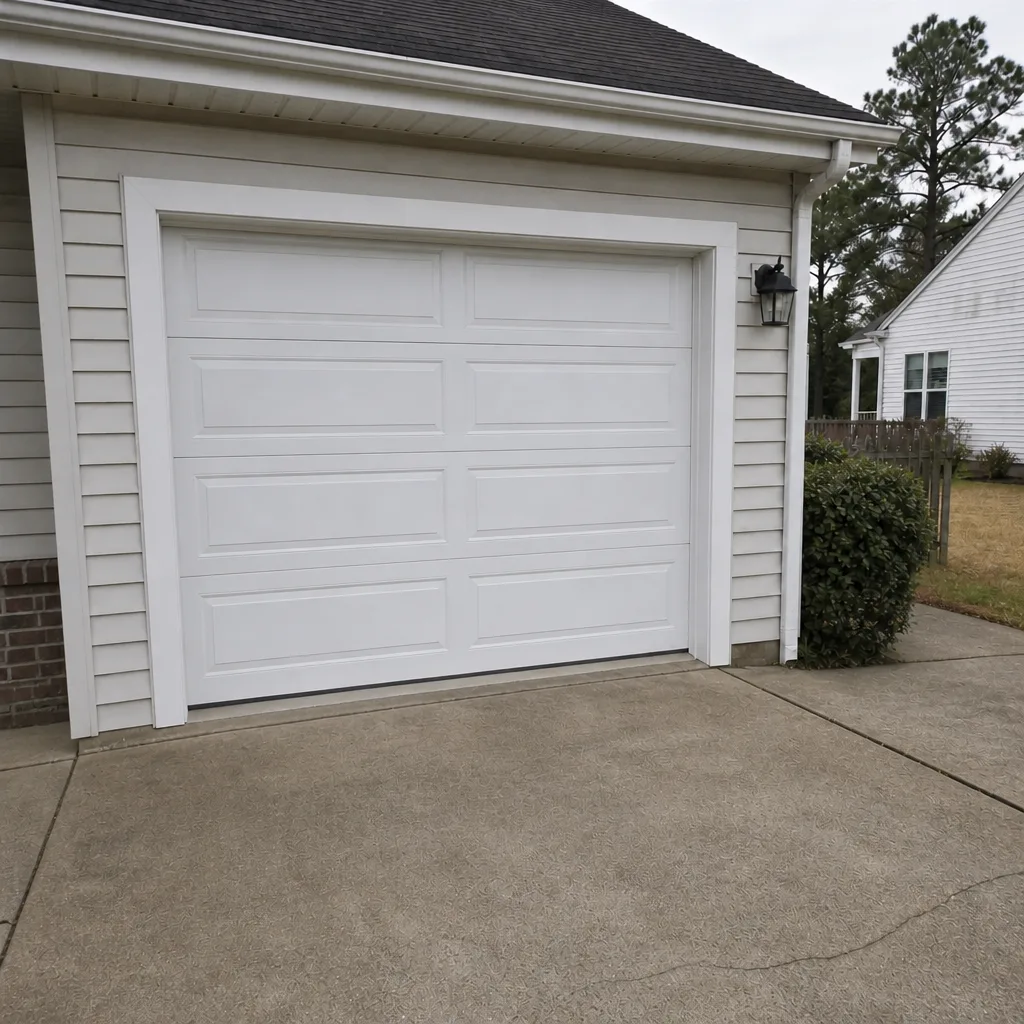
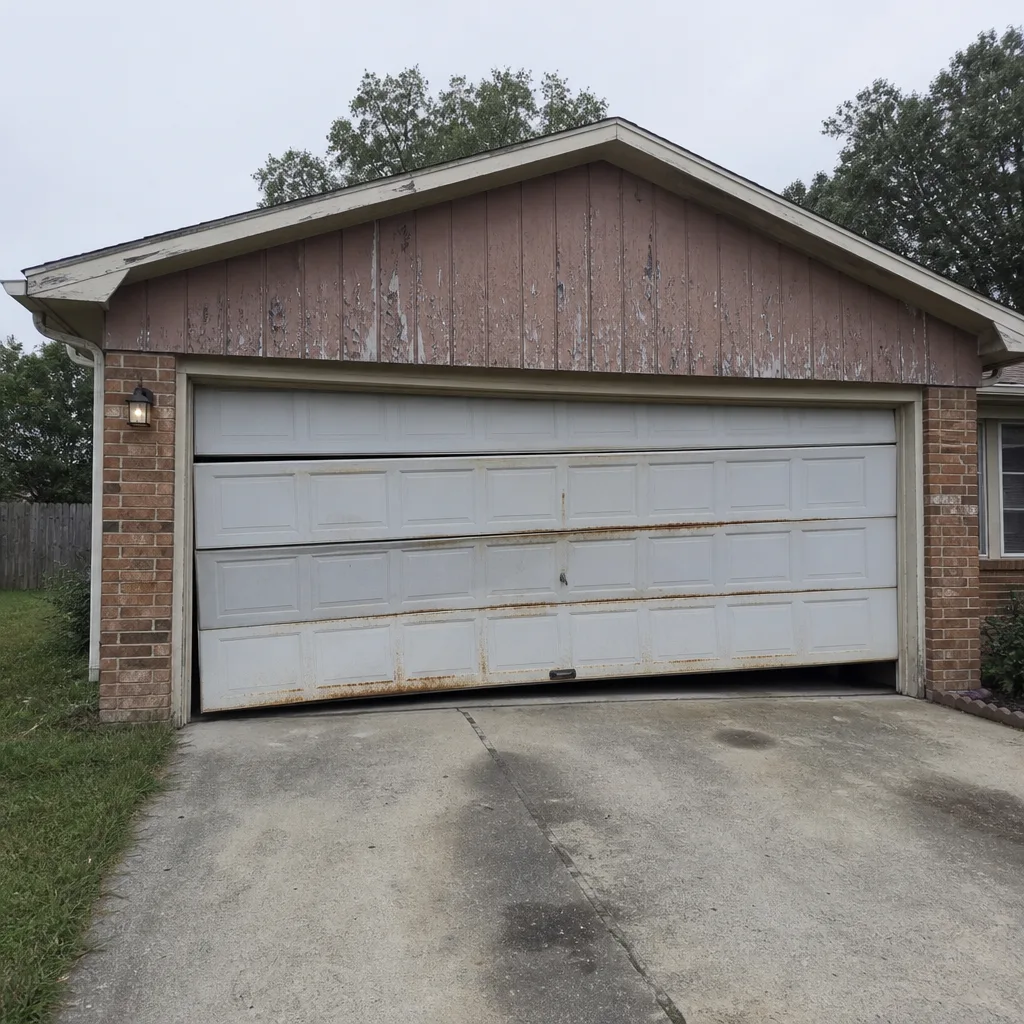
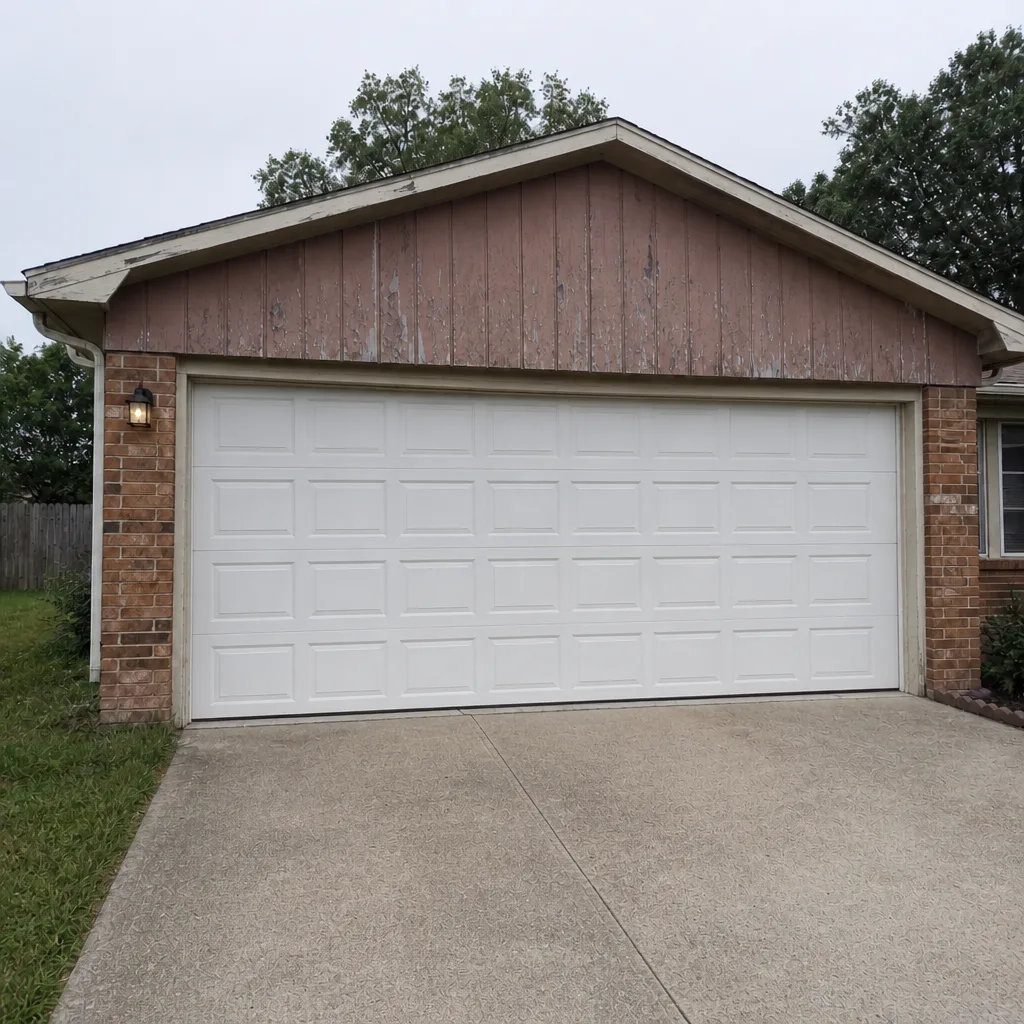
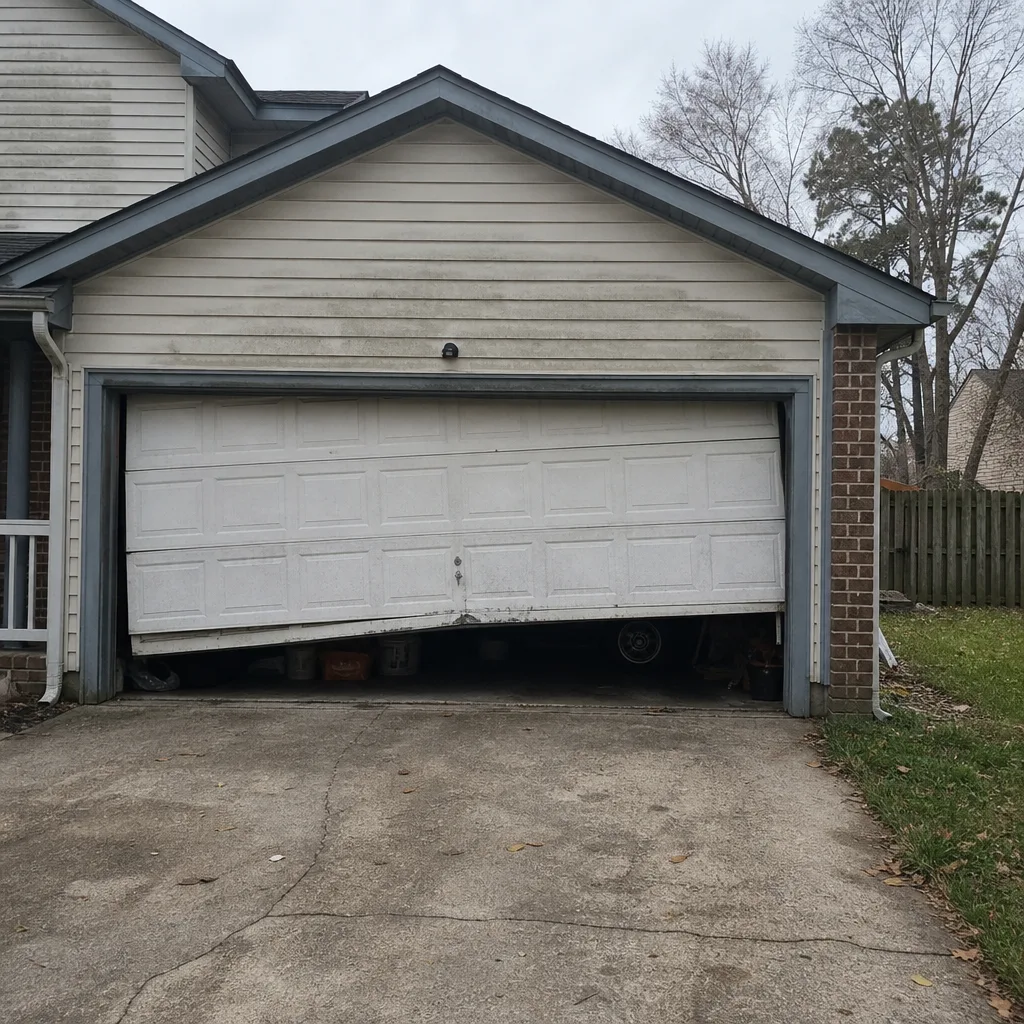
See the difference
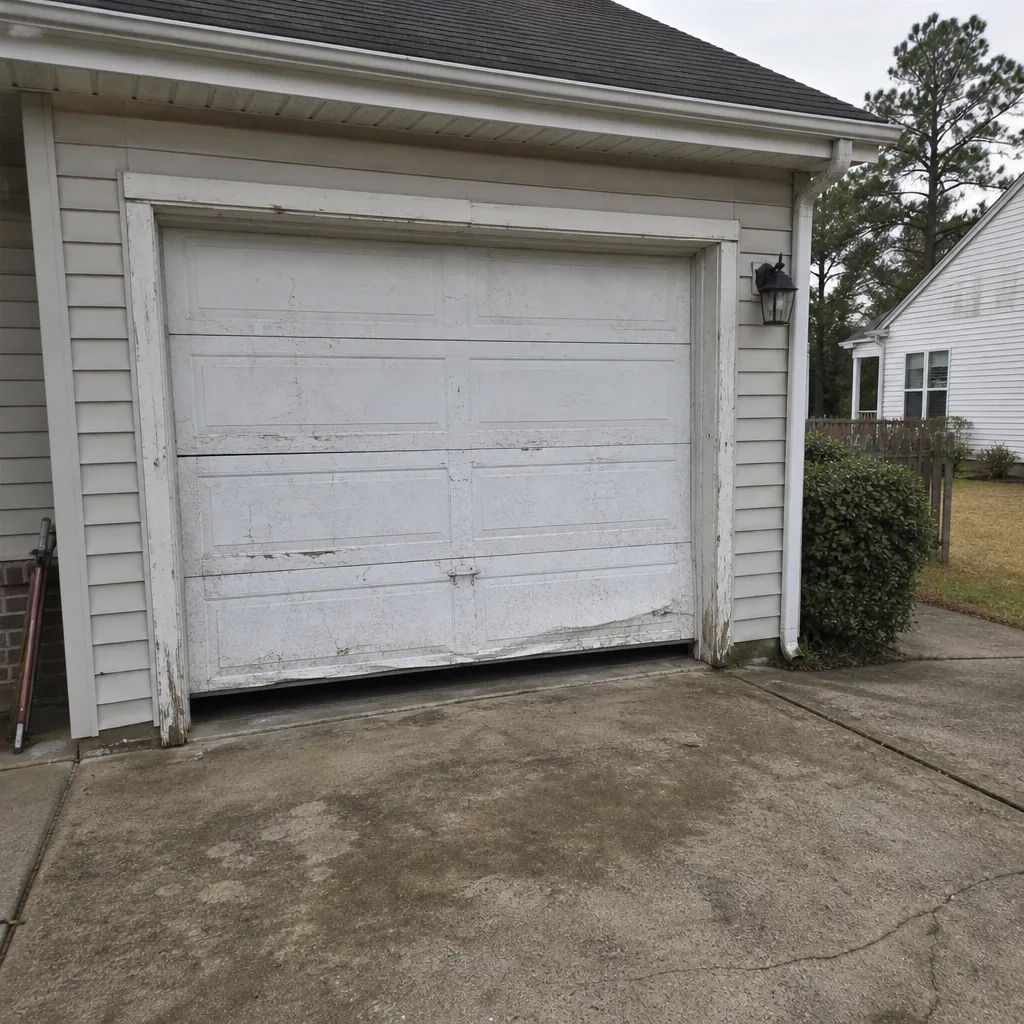 Before
 After
 Before
 After
 Before
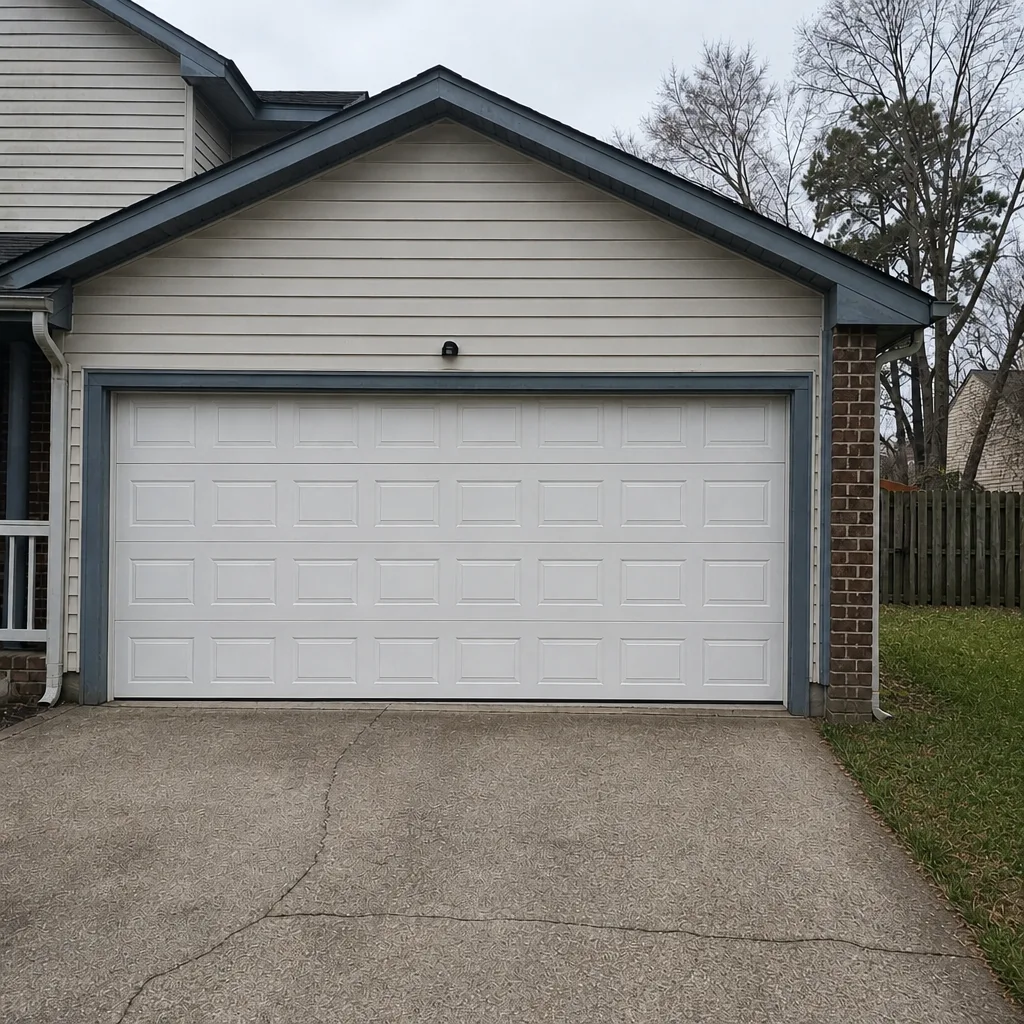 After
When to Call a Professional
Some tasks belong on your calendar. Others belong to a trained technician, full stop. Call a professional if the door drifts more than an inch on the balance test, if you see fraying or kinks in a cable, if a spring looks corroded or the door feels unusually heavy, if the opener strains or grinds, or if the safety reverse fails after you’ve checked the sensors. Springs and cables store dangerous energy, and adjusting them is not a DIY job. For anything involving the opener’s electronics or the door’s counterbalance, let a specialist handle it.
If your door is on a Highpoint Garage Door Service maintenance visit, we’ll inspect the whole system and tell you plainly what needs attention and what can wait. Highpoint Garage Door Service offers free estimates in Chesapeake. Call (877) 309-4107. We answer 24/7, with fast dispatch from 7am to 7pm, Sunday through Friday. Our technicians have up to 15 years of experience and work on whatever brand you own.
Frequently Asked Questions
The monthly balance test is the single most important thing you can do. It’s a ten-second check that reveals spring tension problems before they cause opener damage or a cable failure. If the door drifts down an inch or two when you let go, the counterbalance system needs a professional look.
Springs should get a professional inspection once a year. They’re the hardest-working component and can fail from fatigue and corrosion. In Chesapeake’s humid climate, the corrosion side of that equation arrives faster, so don’t skip the annual check. Call (877) 309-4107 for a free estimate if you’re unsure of the condition of yours.
Yes, for the routine parts. Hinges, rollers and weatherstripping are safe to lubricate yourself with the right product: silicone for rollers, a dedicated grease for steel hinges. What you should never do is touch the springs or cables under tension. Anything involving spring tension, winding or cable replacement is a professional’s job.
Watch for a door that drifts during the balance test, unusual noise, a straining opener, rust streaks on hardware, or frayed cables. Any one of those is a signal to have it checked. Chesapeake’s humidity accelerates corrosion, so rust is worth taking seriously. Call (877) 309-4107 and we’ll take a look.
Yes, it does. High humidity accelerates corrosion on springs, hinges and cables, which shortens their effective life. In Chesapeake, that means lubricating every six months instead of yearly and paying closer attention to rust and cable condition. The basic schedule stays the same; the intervals tighten.
It can. Most manufacturers require a balanced door and reasonable upkeep, and an opener straining against a badly balanced door is a common reason claims get denied. Keep the mechanical system in working order and follow the manufacturer’s lubrication guidance to protect your coverage. If you’re unsure, call (877) 309-4107 for a free estimate on a system check.
The Bottom Line
Garage door maintenance isn’t one annual task. It’s a tiered schedule where cheap wear parts get replaced on a short cycle and critical parts get inspected on a longer one. Do the ten-second balance test monthly, lubricate correctly every six months, replace rollers every 18 to 24 months, and get a professional inspection of springs and cables once a year. In Chesapeake, bump the lubrication up to twice a year and watch for rust, because humidity compresses the life of every metal component. Keep the schedule and the components will tell you what they need before they fail.
Written by the team at Highpoint Garage Door Service.