
Last updated November 15, 2026
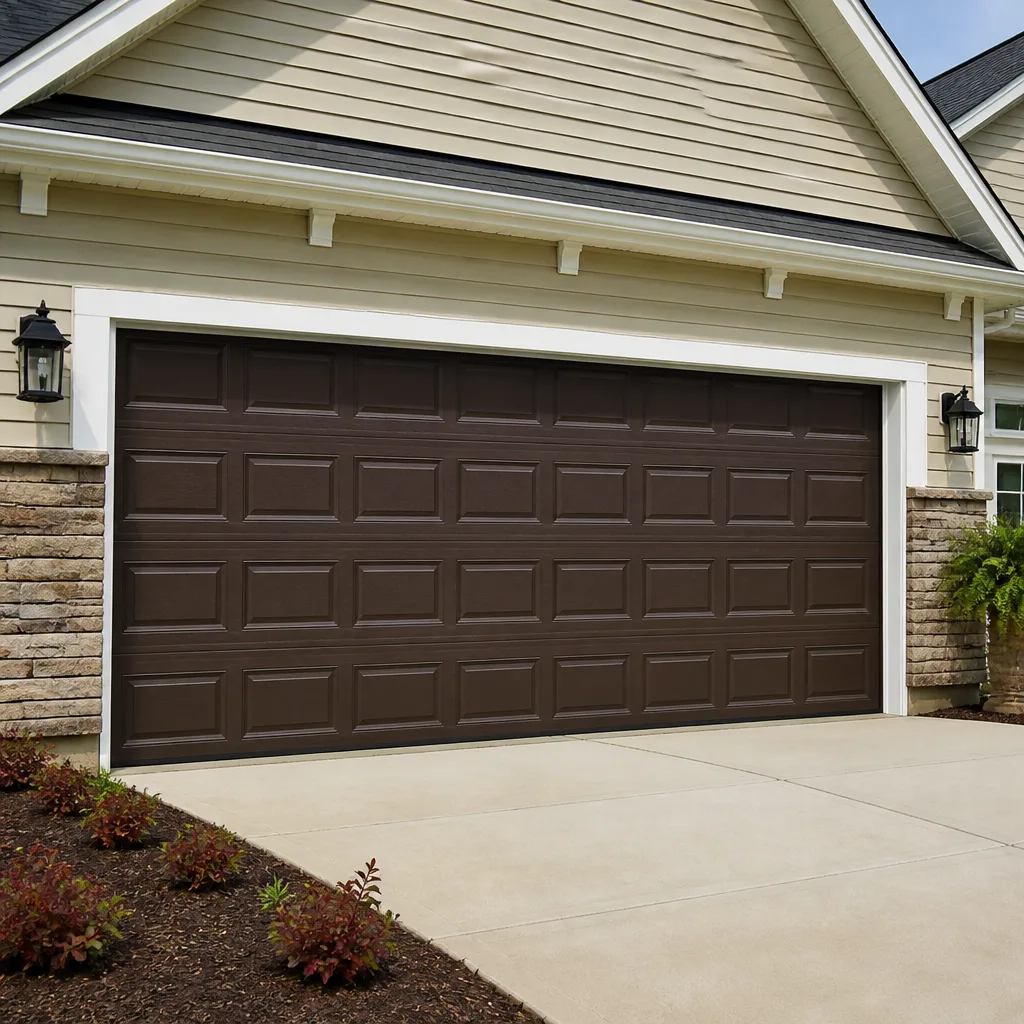 Raised-panel steel
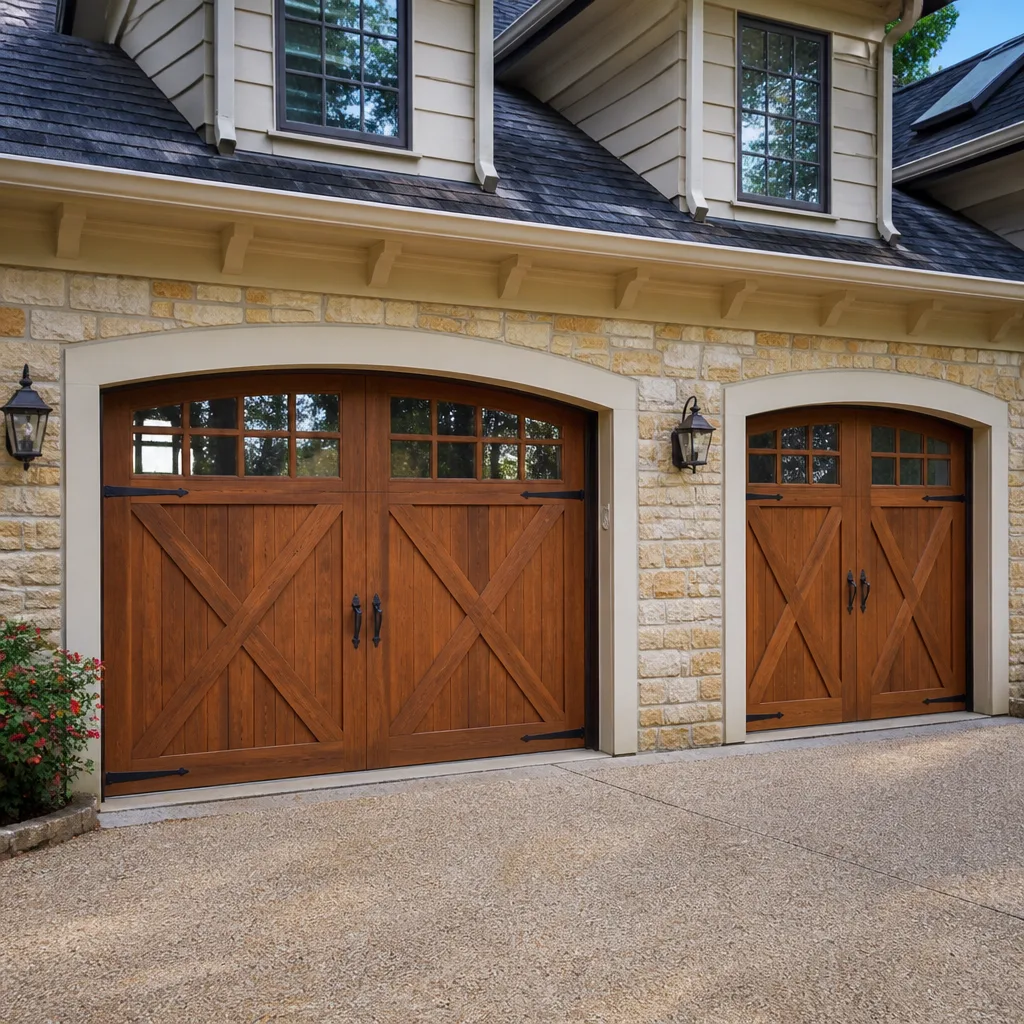 Carriage house
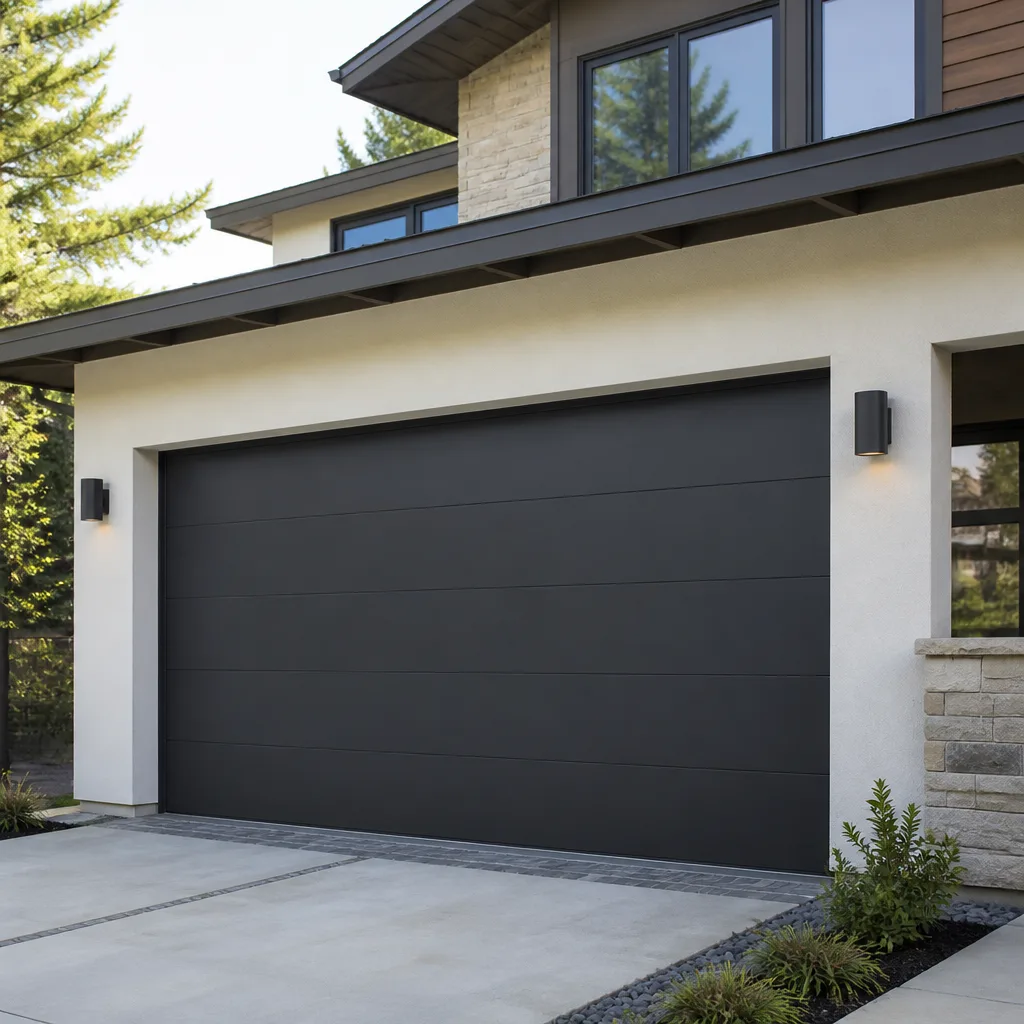 Modern flush
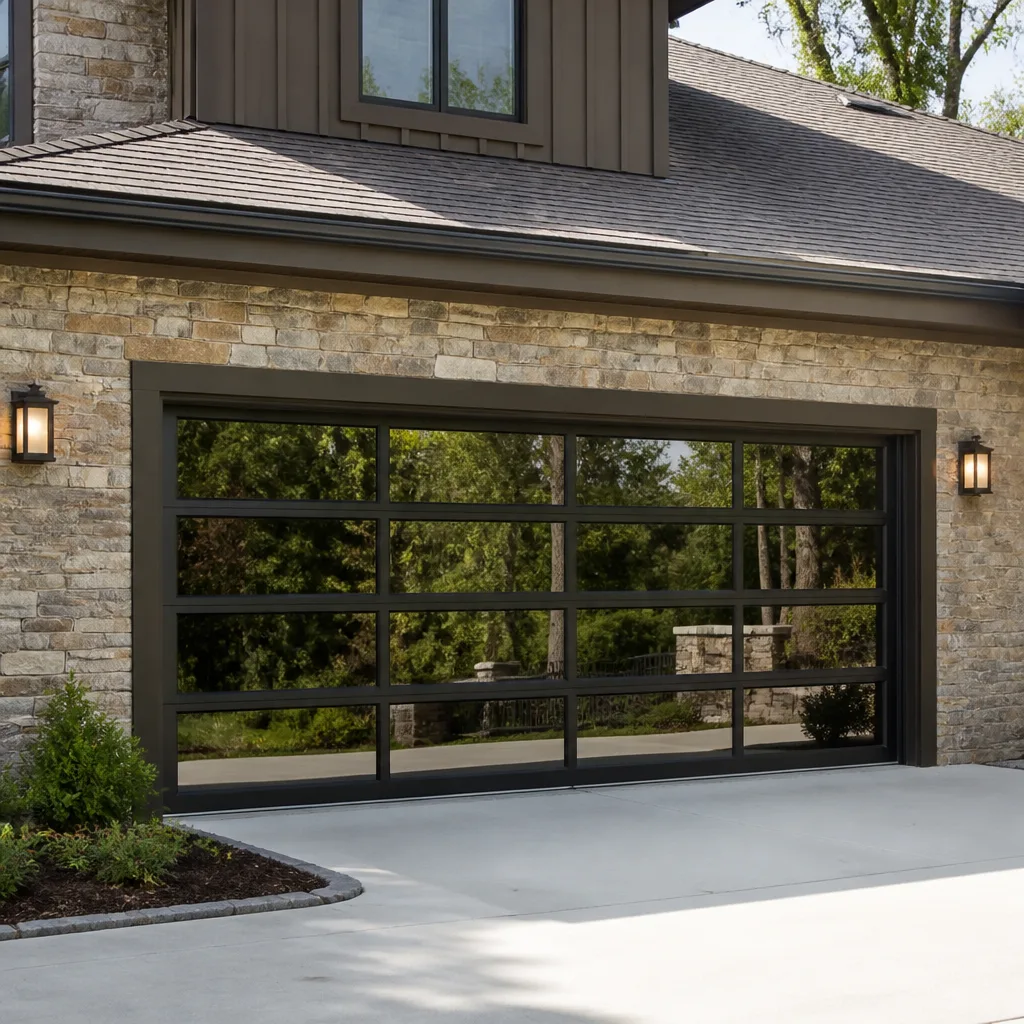 Full-view glass
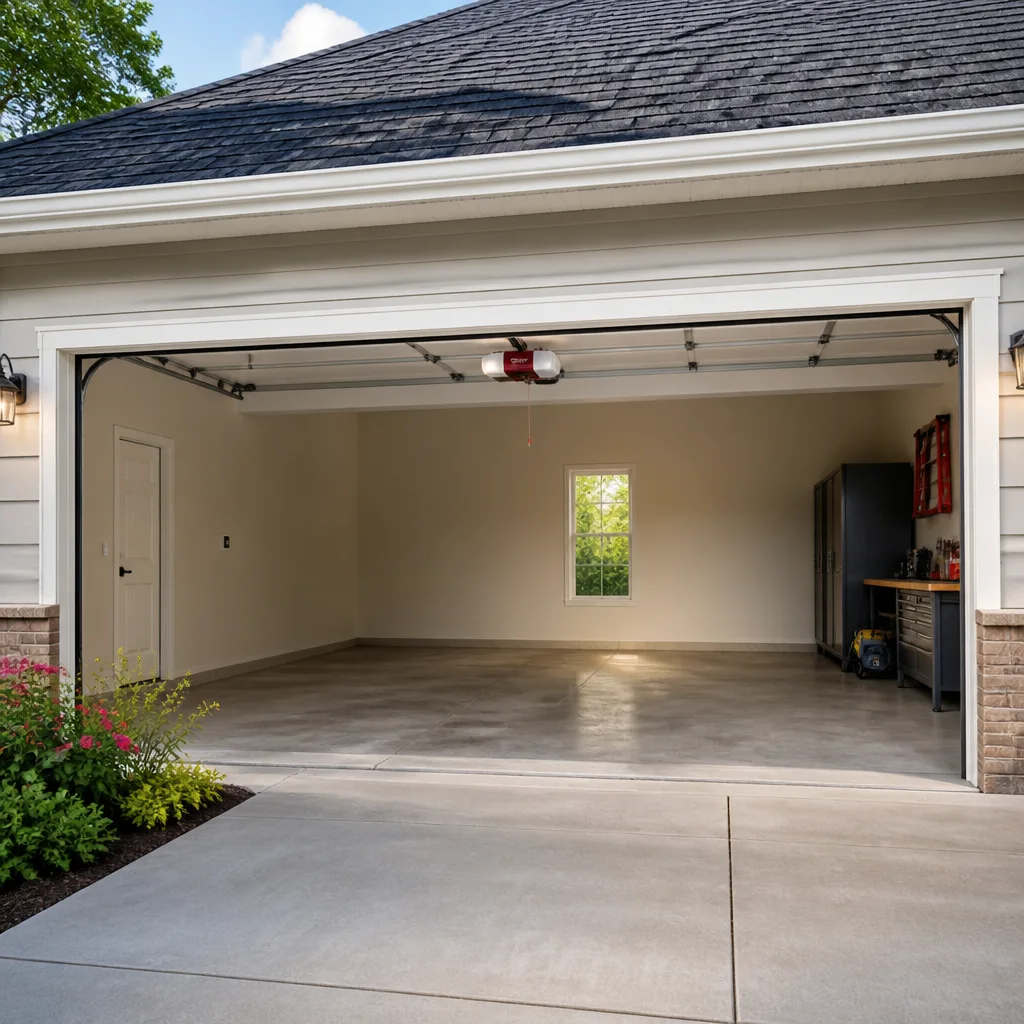 LiftMaster openers
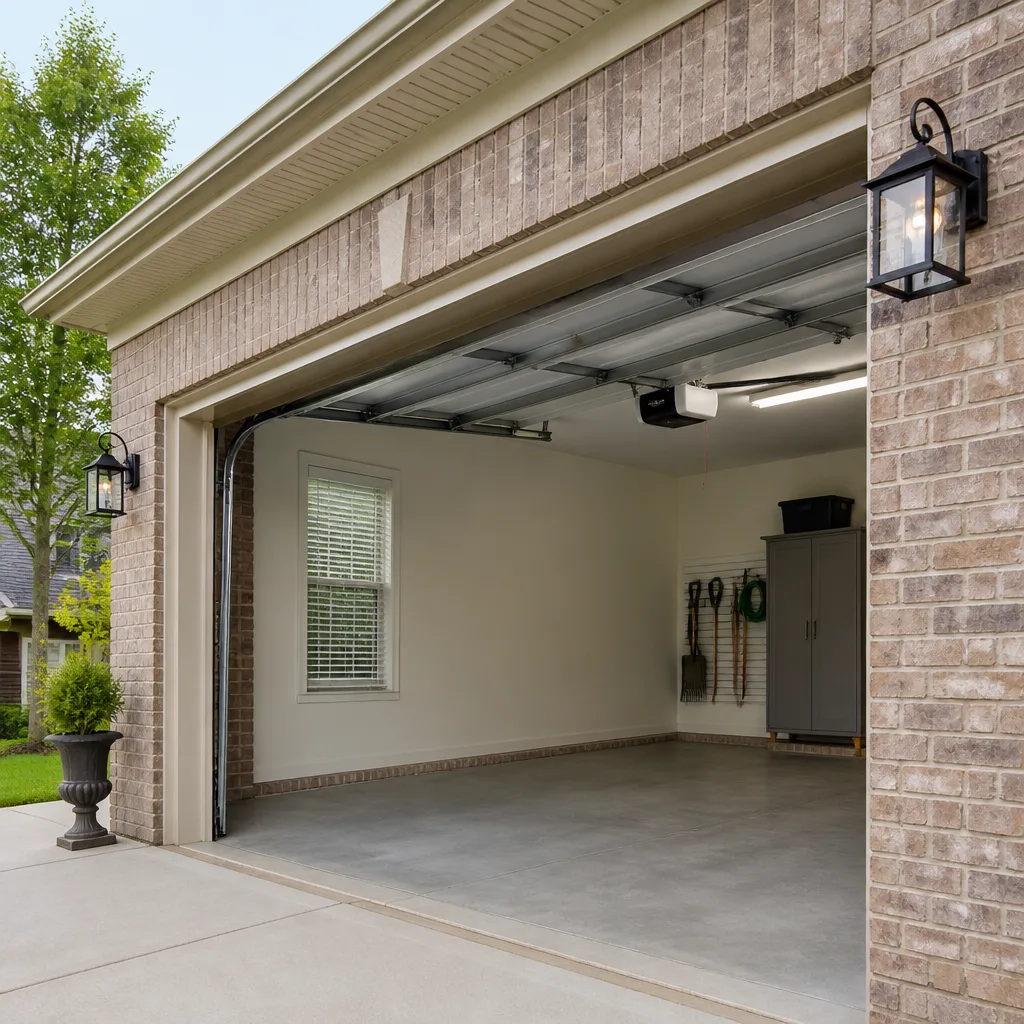 Chamberlain openers
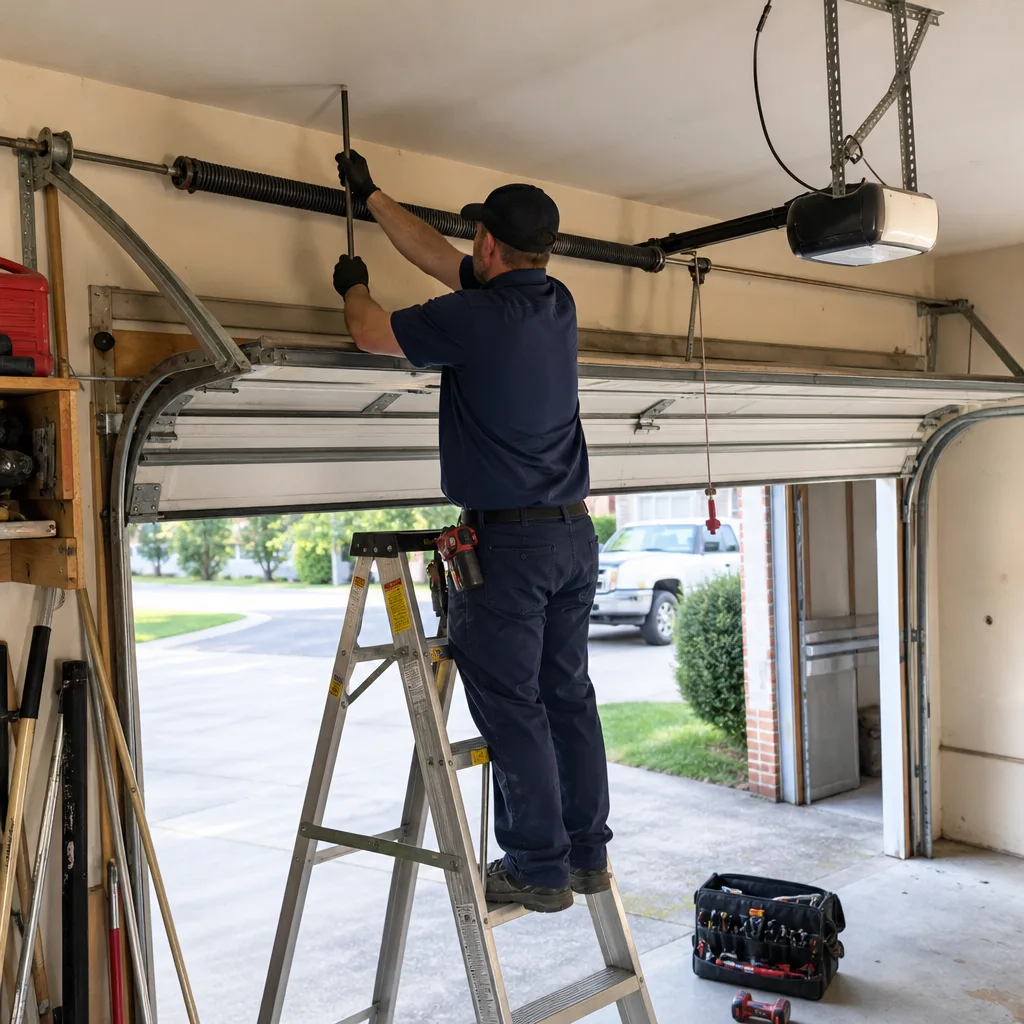
Full 25-point door and opener safety check with every visit - springs, cables, rollers, tracks, and your LiftMaster or Chamberlain opener included
You get a price before we start. It does not change when the pro arrives.
Get your free estimateGarage Door Cost Breakdown: The Chesapeake Homeowner’s Reference for 2026
Two quotes for a “standard” garage door installation in Chesapeake can differ by $800, and both can be entirely legitimate depending on what’s inside the numbers. The problem is most homeowners can’t tell the difference, so they choose on the bottom line and later discover which line items got cut. This guide opens those quotes up. You’ll see what each component actually costs in the Chesapeake market in 2026, what legitimate labor covers versus what a low bid quietly skips, and why a door that lasts five more years can be the cheaper choice even when it costs more upfront.
Quick Answer
A full garage door replacement in Chesapeake typically runs $1,200 to $3,200 for a single-car door and $1,800 to $4,500 for a double, installed, depending on material, insulation, and opener. Repairs are far cheaper: a single torsion spring is usually $180 to $340, and a new opener installed runs roughly $450 to $900. The written estimate sets the final price, and it should be quoted and agreed before any work starts.
Styles & brands we work with
- Raised-panel steel
- Carriage house
- Modern flush
- Full-view glass
- LiftMaster openers
- Chamberlain openers
Table of Contents
- What actually drives garage door cost in Chesapeake?
- Component-by-component cost breakdown
- Why material grade changes price non-linearly
- What legitimate installation labor covers
- Total cost of ownership in Chesapeake’s climate
- Chesapeake cost variables: disposal, permits, header work
- Repair or replace? A decision guide
- How to compare two quotes line by line
What actually drives garage door cost in Chesapeake?
Six things move the price of a garage door job in Chesapeake more than anything else: door size, material and gauge, insulation and construction type, the opener, the condition of the opening and header, and the labor required to fit and balance the new door. A quote that seems oddly low or oddly high almost always reflects one of these factors being handled differently.
Size is the obvious starting point. A single-car door and a double-car door don’t just differ in material quantity, they differ in spring sizing, track length, and the number of panels involved. Material matters next. Steel, aluminum, wood, and composite all behave differently in Chesapeake’s humid summers and occasional winter freezes, and they price differently too. Insulation and construction type (whether the door is a single sheet of steel or a sandwich panel with a foam core) affects both cost and how the door feels and sounds in daily use.
The opener is where a lot of quote confusion lives. Some quotes include a new opener; many don’t. If your existing opener is a working Craftsman or LiftMaster unit, you may not need a new one at all, and a legitimate quote will say so rather than bundling one in.
Then there’s the opening itself. In older Chesapeake neighborhoods, the header above the garage opening sometimes isn’t sized for a modern door or has shifted over the years. That’s a structural adjustment, and it has a real cost. Finally, labor: proper fitting, spring balancing, and weatherseal work are not optional extras. They’re what makes the door work reliably for years, and they’re the first thing cut when a bid is chasing a number.
We’re brand-neutral on purpose. Whether you own a Raynor, a Chamberlain-equipped door, or anything else, our recommendation should be based on your opening and your use, not on what’s easiest for the technician to install. That’s the Highpoint Garage Door Service standard.
Component-by-component cost breakdown
Here’s where the money goes on a typical installed door in Chesapeake, with 2026 estimated ranges. Treat these as typical ranges, not exact prices for your job; every quote depends on your specific opening, and the written estimate is what sets the final number.
Sectional door and panels
- Single-car steel door (uninsulated), installed: $1,200 to $1,900
- Single-car steel door (insulated sandwich), installed: $1,700 to $2,600
- Double-car steel door, installed: $1,800 to $3,200
- Double-car insulated door, installed: $2,400 to $4,500
- Wood or composite, installed: $3,000 to $6,000+
Springs and torsion assembly
Springs are priced per spring. A single torsion spring typically runs $180 to $340 installed. Most doors use a matched pair, and those are usually replaced together, so a pair costs roughly twice a single spring. This is one of the most common line items homeowners misread when comparing quotes, because one bid may be pricing a single spring and the other a pair.
Tracks and hardware
Track replacement, hinges, rollers, and brackets typically add $150 to $450 depending on whether you’re replacing the full track system or just worn hardware. On a full new installation, tracks and hardware are usually included in the door price.
Opener
- Belt-drive opener installed: $450 to $700
- Chain-drive opener installed: $400 to $650
- Smart or Wi-Fi opener installed: $550 to $900
Labor and disposal
Installation labor typically runs $350 to $700 on a new door, covering removal of the old door, fitting, spring balancing, opener programming where applicable, and hauling the old door away. Disposal alone usually runs $75 to $150 in Chesapeake because old doors have to be broken down and taken to a transfer station.
If you only need part of this list, that’s what garage door repair is for. Not every problem requires a new door.
Why material grade changes price non-linearly
The jump from 24-gauge to 25-gauge steel is one of the smallest cost increases in garage door pricing, and one of the largest durability increases. A thinner-gauge door can look identical on day one, but it dents more easily from a stray basketball, a bike handle, or a car door, and it resists moisture-driven wear less well over a decade. In Chesapeake’s humid summers and winter freeze cycles, that difference compounds.
Here’s the practical framing. The price difference between a 24-gauge and 25-gauge door in the same style is often a few hundred dollars across the whole job. What you get for that money is a door that holds its shape longer, dents less, and doesn’t develop the wavy panel look that older, thinner doors get after years of temperature swings. Insulation follows the same non-linear pattern: the step from an uninsulated single sheet to a foam-core sandwich panel typically adds a few hundred dollars, but it changes noise, temperature stability in the garage, and overall rigidity in ways that stay noticeable for the life of the door.
A good rule to compare doors: don’t compare prices between doors of different gauges or construction types as if they were the same product. Compare a 25-gauge insulated door to another 25-gauge insulated door. That’s an apples-to-apples decision. Comparing a thin uninsulated door to a foam-core door on price alone is where homeowners get talked into a “deal” that costs them more later.
Material choice matters too. Steel holds up well mechanically but needs attention in coastal-humidity conditions. Aluminum resists rust but dents more easily. Wood needs real maintenance in Chesapeake’s climate. None of these is wrong; each fits a different homeowner, and a brand-neutral recommendation should match your exposure, your use, and your budget rather than pushing one material across the board.
What legitimate installation labor covers
Installation labor is the line most prone to being silently reduced. A lower quote isn’t necessarily a worse quote, but you should know what a proper installation actually includes. When we look at a door job, whether it’s a new LiftMaster-ready opening or a swap on an existing Raynor, these steps are not optional.
- Accurate opening measurement. Measuring width, height, and the headroom above the opening, including checking that the header is square. A door that’s ordered to an off measurement never fits right.
- Spring sizing to the door’s actual weight. Springs are matched to the door weight and travel. An undersized or oversized spring will fail early or put stress on the opener.
- Track alignment and leveling. Tracks need to be level and matched side to side, or the door will bind and wear rollers prematurely.
- Panel fitting and hinge alignment. Panels should sit evenly with clean seams. Poor hinge alignment shows up as noise and uneven wear within a year.
- Spring balancing and tension test. A door should sit level, open smoothly by hand, and hold position partway open. If it doesn’t, the balance is wrong.
- Opener programming and safety reverse test. The opener’s travel limits, force settings, and safety reversing test should be checked and confirmed at installation, not left at factory defaults.
- Weatherseal fitting. Bottom seal, side seals, and top seal check. This is where drafts and moisture get in, and it matters more in Chesapeake’s humidity.
A quote that skips or compresses any of these steps can look cheaper. Ask specifically whether spring balancing and opener programming are included. If they aren’t listed, they probably aren’t being done. Our technicians have up to 15 years of experience balancing doors and programming openers across the major brands, and that’s the standard we hold every install to.
If your opener is the piece that’s failing, garage door opener repair may be the whole fix. You don’t need a new door because the opener motor is tired.
Total cost of ownership in Chesapeake’s climate
A $400 price difference on a door that lasts five more years is a savings, not a cost. That’s the framing most homeowners never get from a quote comparison, because quotes are compared on day-one price and not on how long the door holds up. In Chesapeake’s humidity and temperature swings, the difference between a thin uninsulated door and a properly gauged, insulated one shows up in dents, panel warp, seal wear, and motor strain over the door’s life.
Consider what “lasts” means in practice. A door with proper spring sizing and hinge alignment puts less stress on the opener, so the opener motor lasts longer. A door with a solid bottom seal and correct side seals keeps moisture out of the garage, which reduces hardware corrosion and track wear. A door with a 25-gauge skin resists dents, so it doesn’t need panel replacement in year eight. None of those are guaranteed outcomes, but they’re the direction the numbers point.
The TCO comparison usually comes down to three questions:
- Does the door’s gauge and construction match how long you plan to stay in the home?
- Are the springs sized to the door and properly balanced at install?
- Was the weatherseal fitted, or left as a quick press-on?
Get those three right and the $400 difference usually pays back. Get them wrong and you may be buying the same door twice. “Back to working right” is what we aim for on every job, and a door that’s still working right a decade from now is the real benchmark. You can read more about how we handle Chesapeake area work and the standards we hold to.
Chesapeake cost variables: disposal, permits, and header work
Three costs specific to a Chesapeake job trip up homeowners who are comparing quotes from out-of-area bids. None of these is dramatic on its own, but together they explain a good chunk of quote variance.
Disposal
Old garage doors have to be broken down and hauled to a transfer station. That runs roughly $75 to $150 depending on door size and access. A quote that doesn’t include disposal usually means the old door ends up in your driveway or a dumpster you rent. Ask explicitly if haul-away is included.
Permits, when applicable
Some garage door replacements in Chesapeake require a permit depending on scope and structural changes, and some don’t. Permit rules are set locally and vary by what’s being changed, so the honest answer is: ask your city’s building department what your specific job needs before work starts. A legitimate installer will tell you whether a permit is required for your scope and will price it honestly. If a quote says a permit isn’t needed and you’re unsure, verify before signing.
Header work
Older homes around Chesapeake sometimes have a header above the garage opening that’s undersized for a modern door, out of square, or has settled over the years. If the header needs modification to fit a new door size or to bring the opening back to square, that’s a structural adjustment and it has a real cost, typically several hundred dollars. A thorough installer measures the header before ordering. An installer who just measures the opening without checking the header can order a door that doesn’t fit.
Access and slope
Driveway slope and overhead clearance affect what type of door and opener system will work. Low headroom above the opening may require a low-headroom track kit. A steep driveway can affect how the opener pulls. These are small costs individually, but a quote that ignores them adds them later.
Repair or replace? A decision guide
Not every garage door problem needs a new door. A surprising number of “replacement” recommendations are really repair jobs, and a few genuine replacement cases get handled as repairs and then fail again within a year. Here’s the decision logic we use.
- Is the door structurally sound? If panels are straight, the frame is solid, and the door isn’t rotting or separating at the seams, repair is usually the right call even on an older door.
- Is the problem the springs? (Age-related snap or no lift.) A broken spring is a spring repair, typically $180 to $340 per spring, or roughly double for a matched pair. Not a replacement door.
- Is the problem the opener? (Won’t open, reverses, or runs without moving the door.) That’s opener repair or a new opener installed, typically $400 to $900. Not a new door.
- Are panels dented, cracked, or separated? Individual panel replacement is possible on many brands. Full replacement makes sense when most panels are affected or the door is very old.
- Is the door nearing the end of its practical life? If it’s already unbalanced, dented, and leaking at the seals, replacement is often cheaper than a full component repair.
The dangerous variables are springs and cables. If you suspect a spring or cable issue, don’t attempt to diagnose or adjust it yourself. High-tension springs store serious energy and can injure someone seriously if they’re handled incorrectly. Call a trained professional for spring and cable issues. That’s a safety boundary we don’t cross, and we’d rather you call us than try it.
For a closer look at the repair side, see our garage door repair page. Our technicians have up to 15 years of experience diagnosing which side of the repair-replace line your door actually sits on.
How to compare two quotes line by line
When two quotes differ by a few hundred dollars, the honest way to compare them is line by line. Below is the method we recommend to any homeowner.
- Match the door spec. Same size, same gauge, same construction type. A 24-gauge uninsulated door and a 25-gauge insulated door are not the same product.
- Confirm spring count. One spring or a matched pair? The pricing is roughly doubled for a pair, and most doors use a pair.
- Check whether the opener is included. Existing opener reuse vs. new opener installed is a $400 to $900 swing.
- Ask if disposal is included. A $75 to $150 difference.
- Ask if weatherseal is included. Bottom seal, side seals, top seal. Not every quote includes them.
- Ask whether spring balancing, opener programming, and safety reverse testing are included. These are the labor line items that most often get skipped to shave price.
- Confirm the permit status. Which party is pulling the permit, if one is needed.
- Make sure both quotes are written. A verbal quote isn’t a quote. A written estimate is the one that sets the final price.
Once you’ve lined up both quotes on these eight points, the higher one often turns out to be the better value even if it looks more expensive. Or, occasionally, the lower one is the right answer because it genuinely covers less work you don’t need. Either way, you’re comparing like for like instead of guessing.
Estimates are free, and we quote the price before any work starts. If you reach out, we’ll walk through the line items with you so you know what’s included. Call (877) 309-4107. We answer 24/7. Fast dispatch from 7am to 7pm, Sunday through Friday.
Common Mistakes to Avoid
- Comparing quotes without checking the door spec. A 24-gauge door and a 25-gauge door look similar but behave differently in Chesapeake’s climate, and they’re not the same product. Compare like for like or you’re comparing on price alone.
- Assuming one spring price covers a pair. Spring pricing in most quotes is per spring. Most doors use a matched pair, so the pair costs roughly double a single spring. Read the line item carefully.
- Choosing on bottom-line price without checking what’s in it. A quote that’s $400 cheaper often has skipped spring balancing, weatherseal, or disposal. Those get added later, or they don’t get done at all.
- Trying to fix a broken spring or cable yourself. High-tension springs can cause serious injury if handled wrong. Call a professional for spring and cable issues, no exceptions.
- Ignoring the header measurement. An installer who measures only the opening and not the header can order a door that doesn’t fit. Ask whether the header was checked and whether it’s square.
- Skipping the permit question entirely. Permit requirements vary by scope and are set locally. Ask your city’s building department before work starts rather than after.
- Accepting a verbal quote. A verbal price isn’t a written estimate, and it isn’t the price that gets locked. Get it in writing.
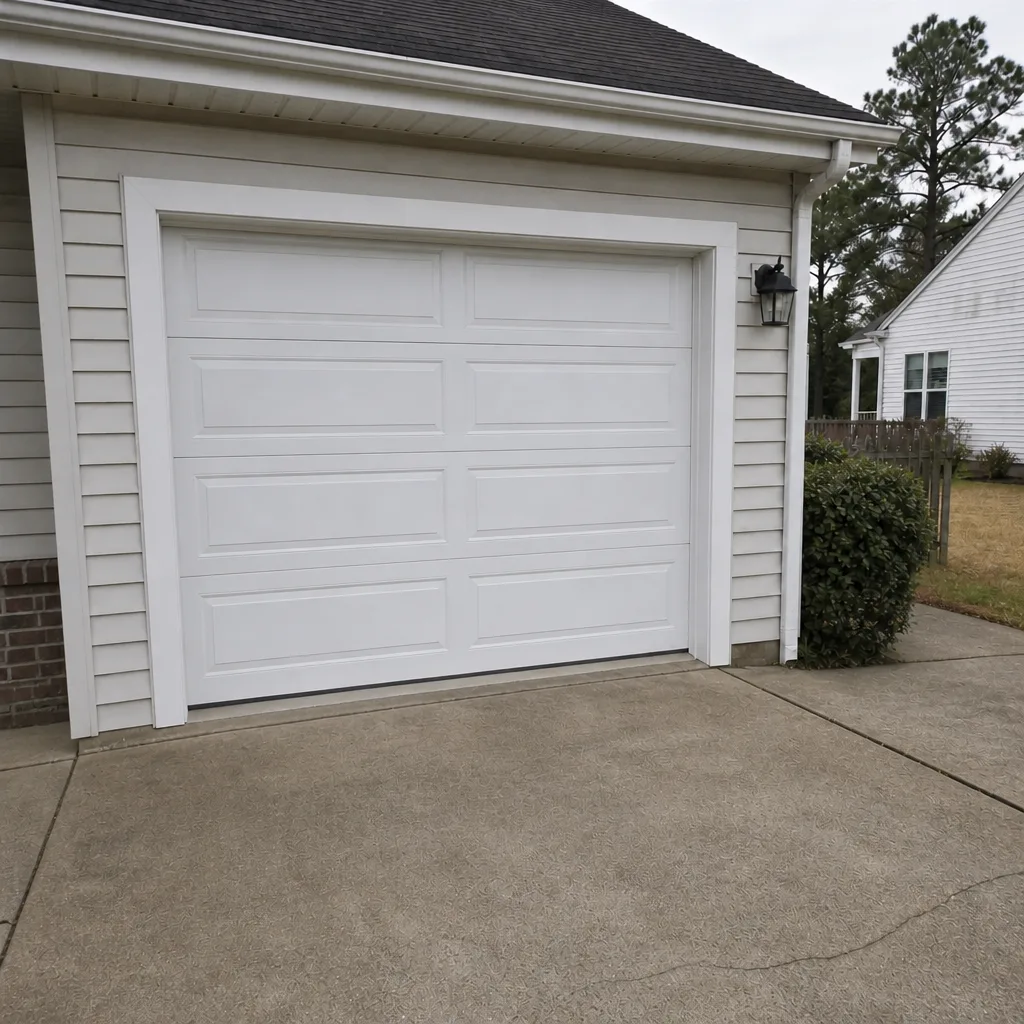
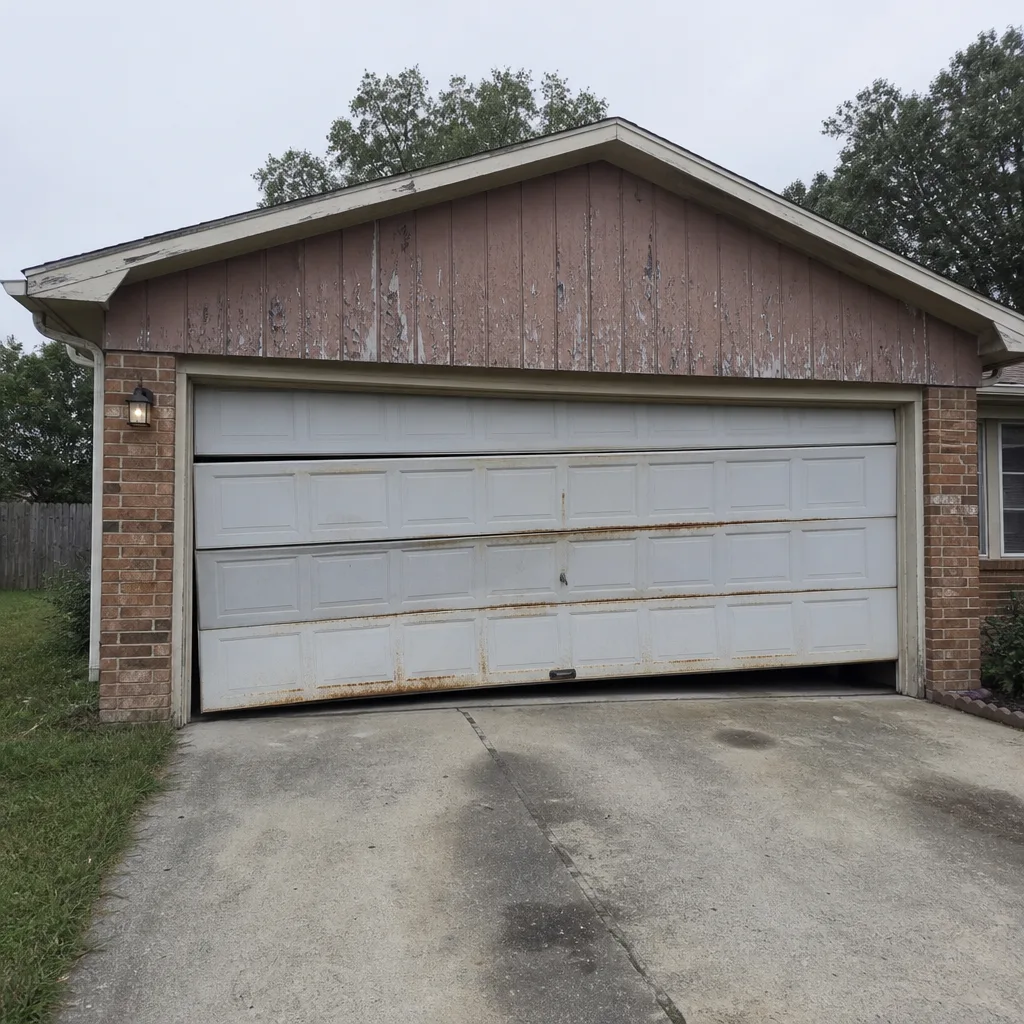
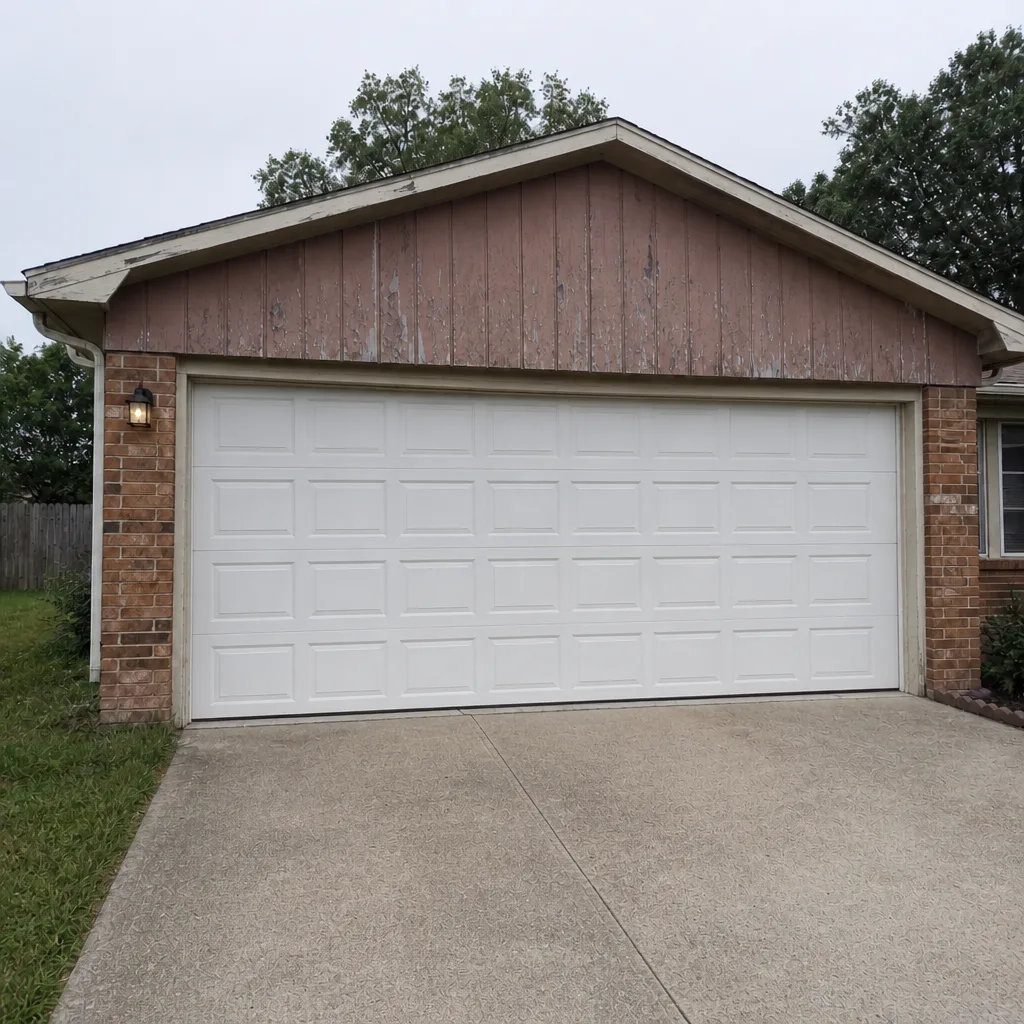
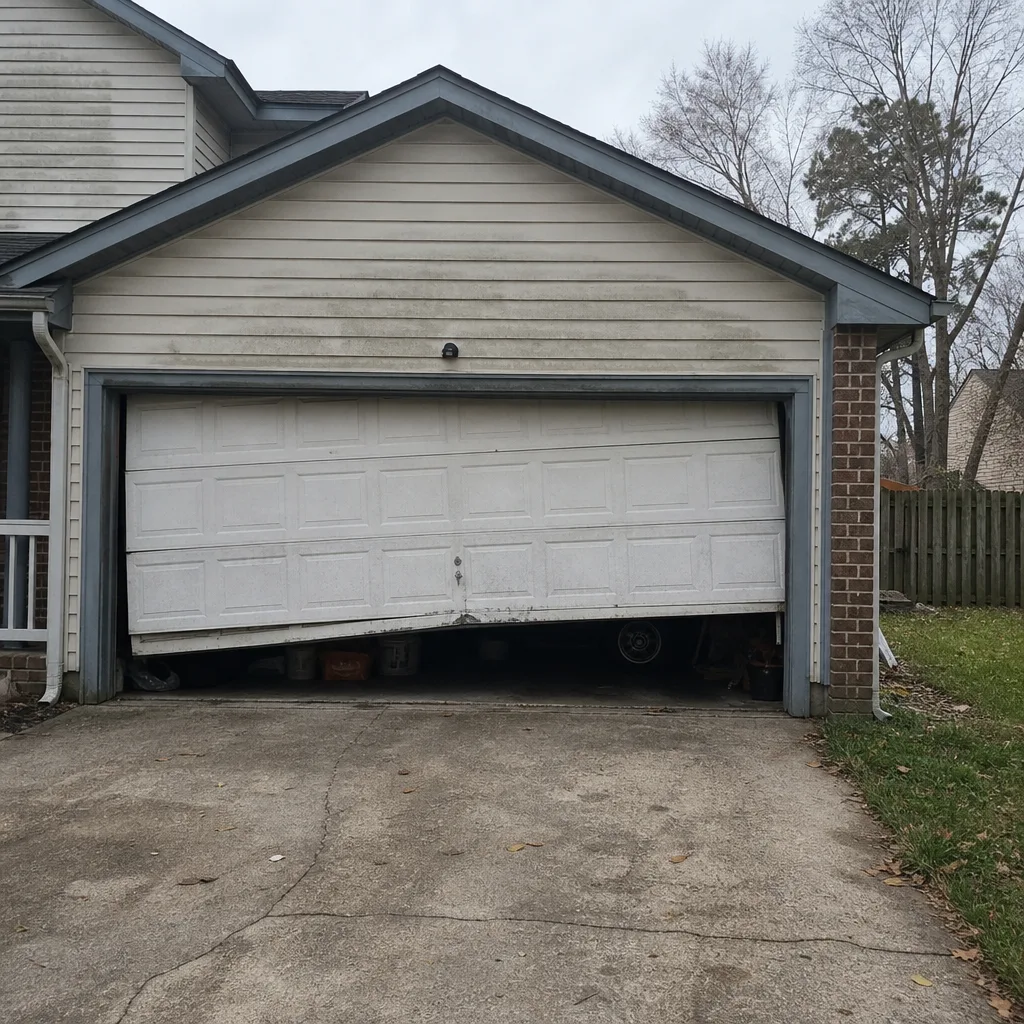
See the difference
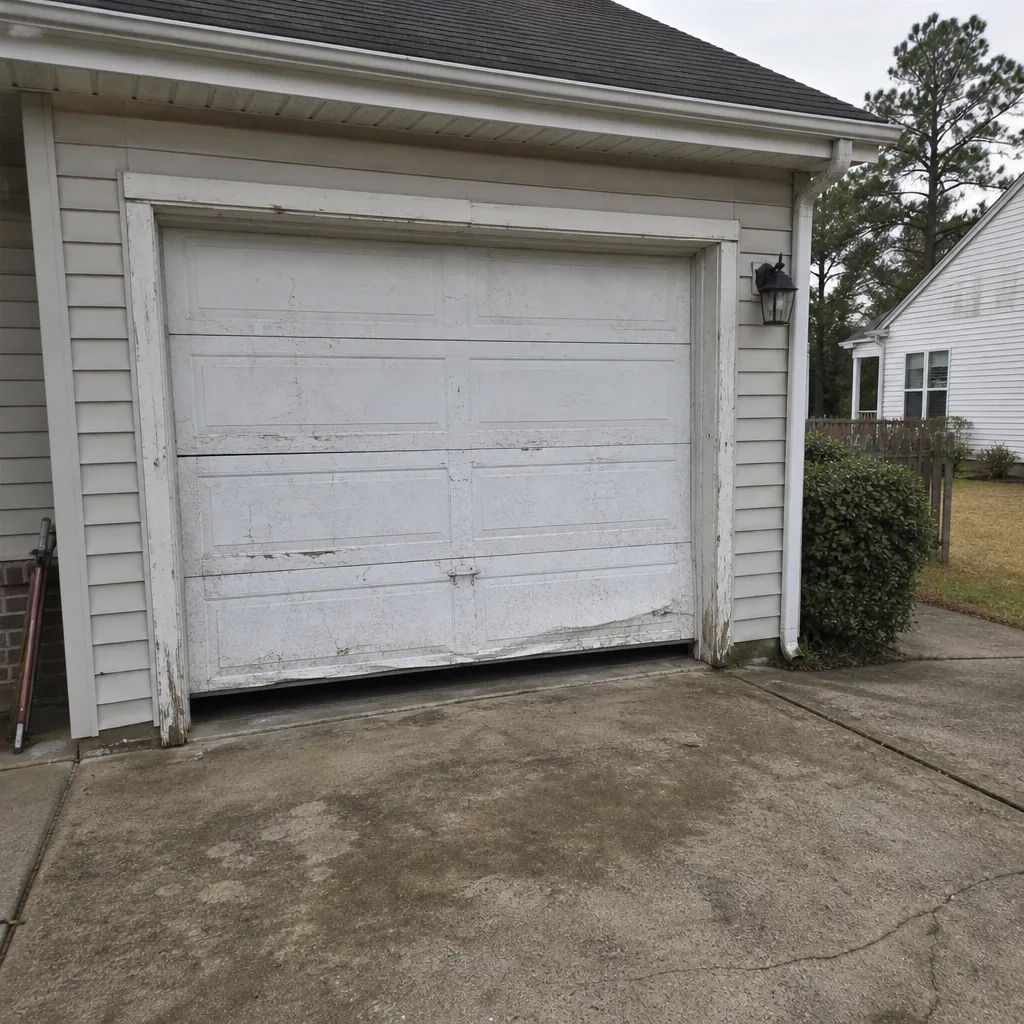 Before
 After
 Before
 After
 Before
 After
When to Call a Professional
Some garage door issues are straightforward to live with. Others need a specialist on the job. If the door is stuck partway, won’t open at all, feels heavier than it used to, opens unevenly, or you’ve heard a loud snap from the spring area, call. If the opener reverses unexpectedly, runs but doesn’t move the door, or the door isn’t staying open where you left it, that’s an opener or balance issue and it should be checked. If any panel is cracked or a cable looks loose, stop using the door and call. Almost everything else is repairable, and most repairs are far less expensive than a new door.
Highpoint Garage Door Service is a dedicated garage door specialist, not a general handyman, and we work on repair, opener repair, and new installation for the brands you actually own: LiftMaster, Chamberlain, Genie, Clopay, Amarr, Wayne Dalton, Craftsman, and Raynor. Free estimates in Chesapeake. Call (877) 309-4107. We answer 24/7. Fast dispatch from 7am to 7pm, Sunday through Friday.
Frequently Asked Questions
Garage door replacement in Chesapeake typically runs $1,200 to $3,200 for a single-car door and $1,800 to $4,500 for a double-car door, installed, depending on material, insulation, and whether a new opener is included. A written estimate is the price that counts, and estimates are free. Call (877) 309-4107 for an exact quote.
Yes, spring repair is commonly same-day work when the parts match your door. A single spring typically runs $180 to $340, and a matched pair costs roughly twice a single spring since both are usually replaced together. Call (877) 309-4107 and we’ll confirm availability.
No. The price is quoted and agreed before any work starts. The written estimate is the price for the work we’ve agreed to do. If the scope changes because of something we can’t see from your description, we’ll tell you before proceeding, not after. Call (877) 309-4107 for an exact quote.
Mostly because they’re not for the same product or the same labor. Differences usually come from door gauge, insulation, whether a matched spring pair is included versus a single spring, whether the opener is included, disposal, weatherseal, and whether balancing and opener programming are done. Compare line by line, not bottom line to bottom line. Call (877) 309-4107 and we’ll walk you through the line items in your quotes.
Our technicians are experienced, state-licensed where required, and the work is done through a licensed contractor. We can work with your insurer where relevant. Ask us directly about specifics for your job before you book. Call (877) 309-4107 for the details.
It depends on the scope of the work. Permit rules are set locally and vary by what’s being changed. Ask your city’s building department what your specific job needs before work starts. A legitimate installer will tell you honestly whether a permit is required. Call (877) 309-4107 to talk through your job.
The Bottom Line
Garage door pricing in Chesapeake varies because the line items inside each quote vary. If you compare only the bottom line, you’ll choose on price when you should be choosing on value. Understand the six cost drivers, check the component list against your quote, confirm the door gauge and insulation, confirm spring count, confirm disposal, weatherseal, and balancing, and ask the permit question. Do that and the $400 or $800 differences resolve into a clear choice. Our technicians have up to 15 years of experience working on the brands you own, and we’re happy to read your quotes with you.
Contact us for a free estimate. Call (877) 309-4107. We answer 24/7. Fast dispatch from 7am to 7pm, Sunday through Friday. A written estimate comes before any work starts, and the estimate is the price.
Written by the team at Highpoint Garage Door Service.