
Last updated November 15, 2026
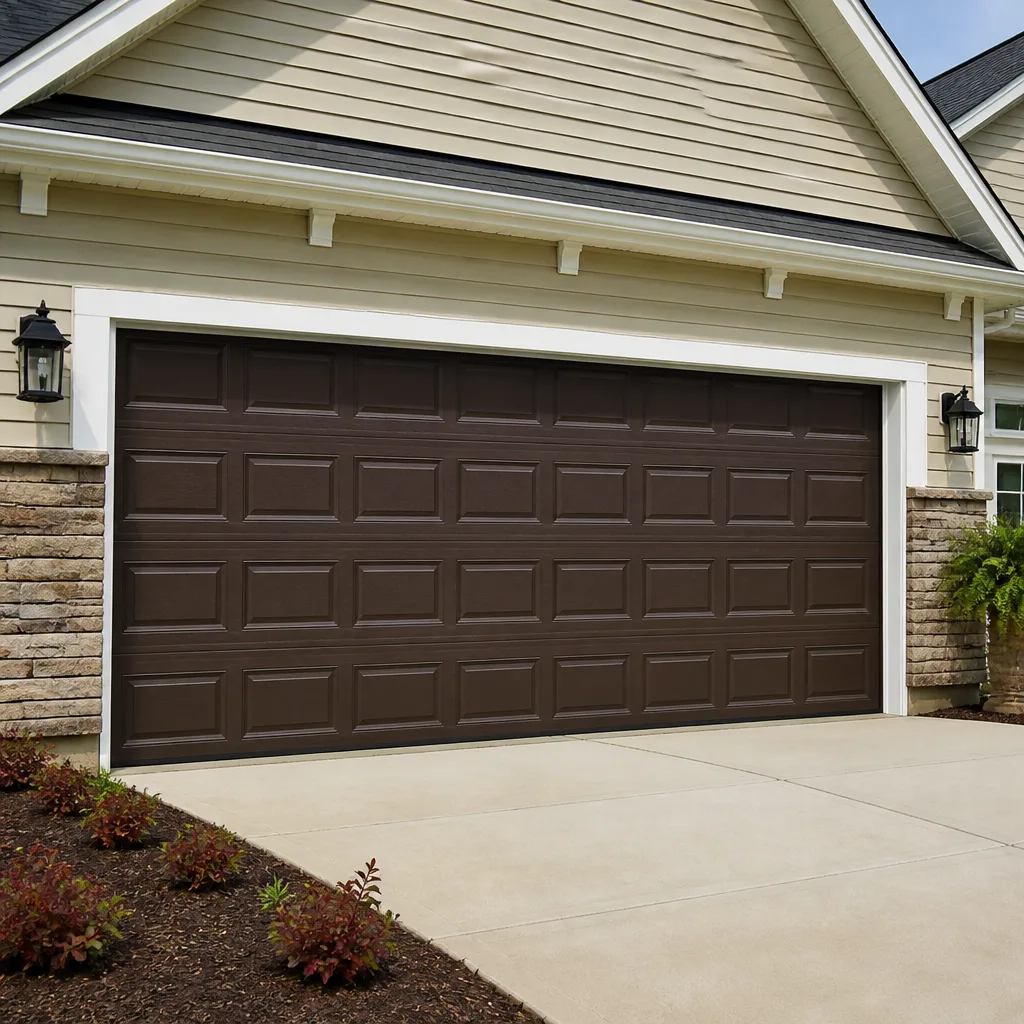 Raised-panel steel
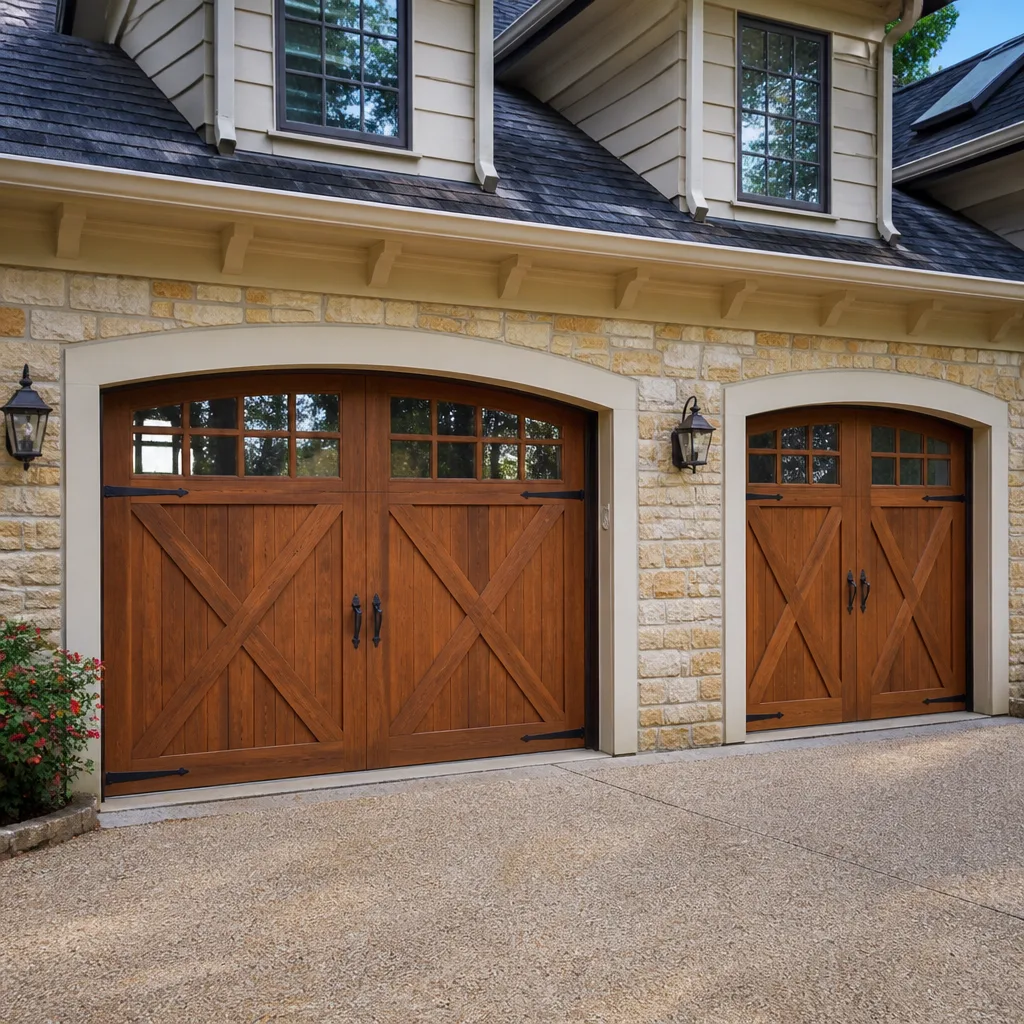 Carriage house
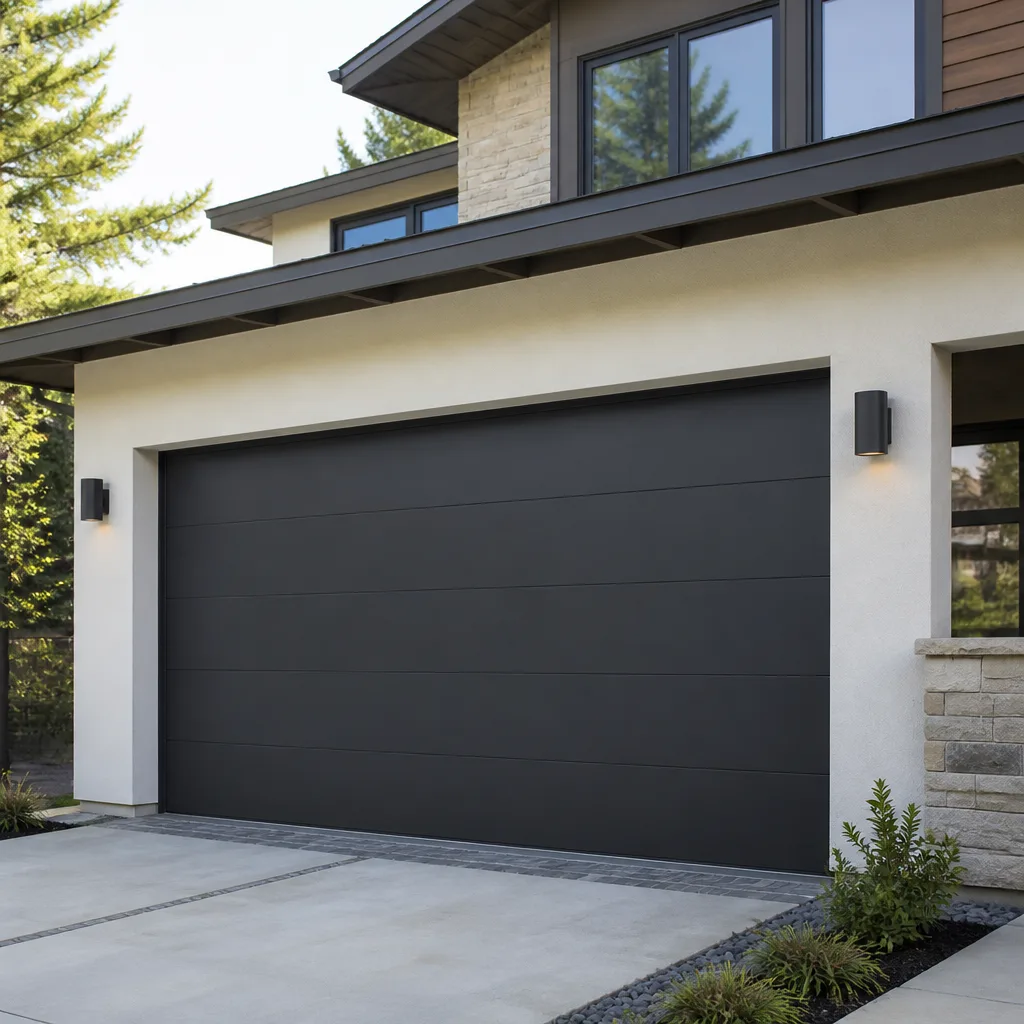 Modern flush
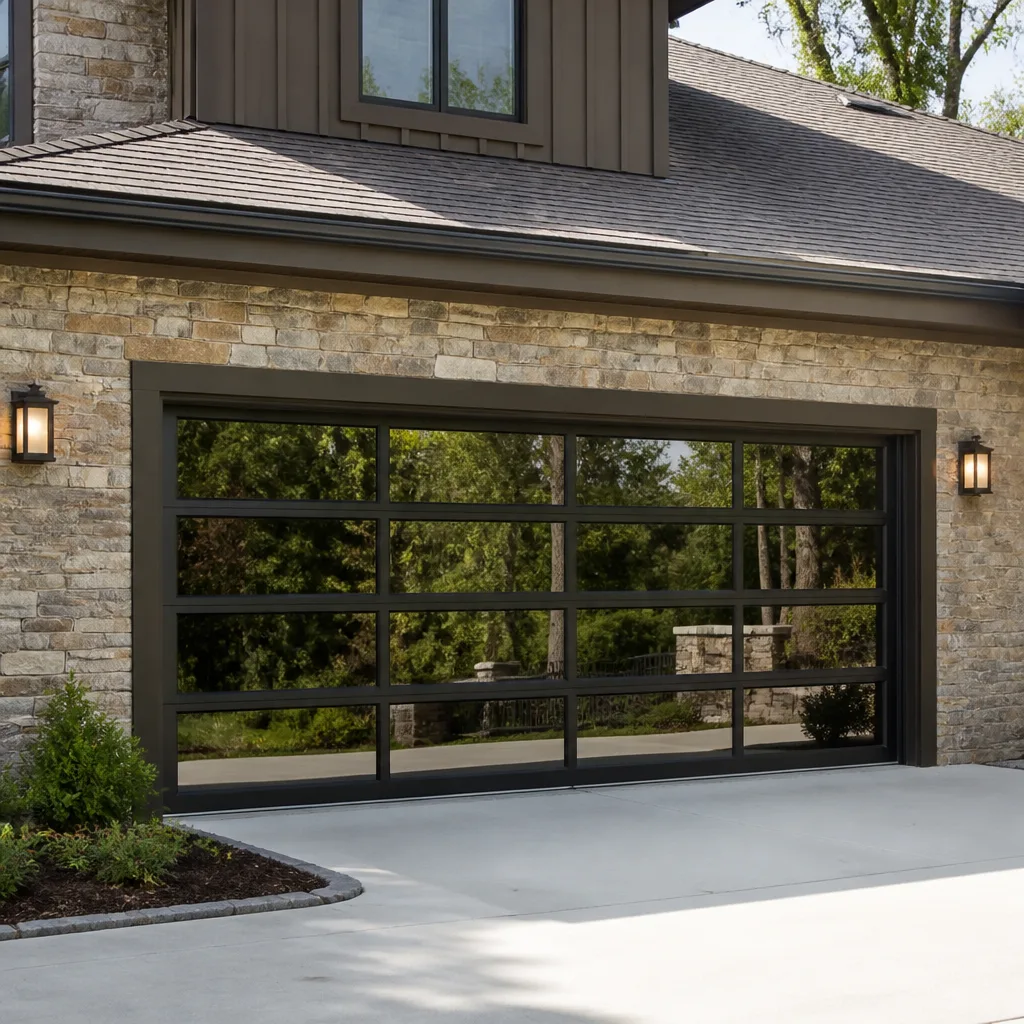 Full-view glass
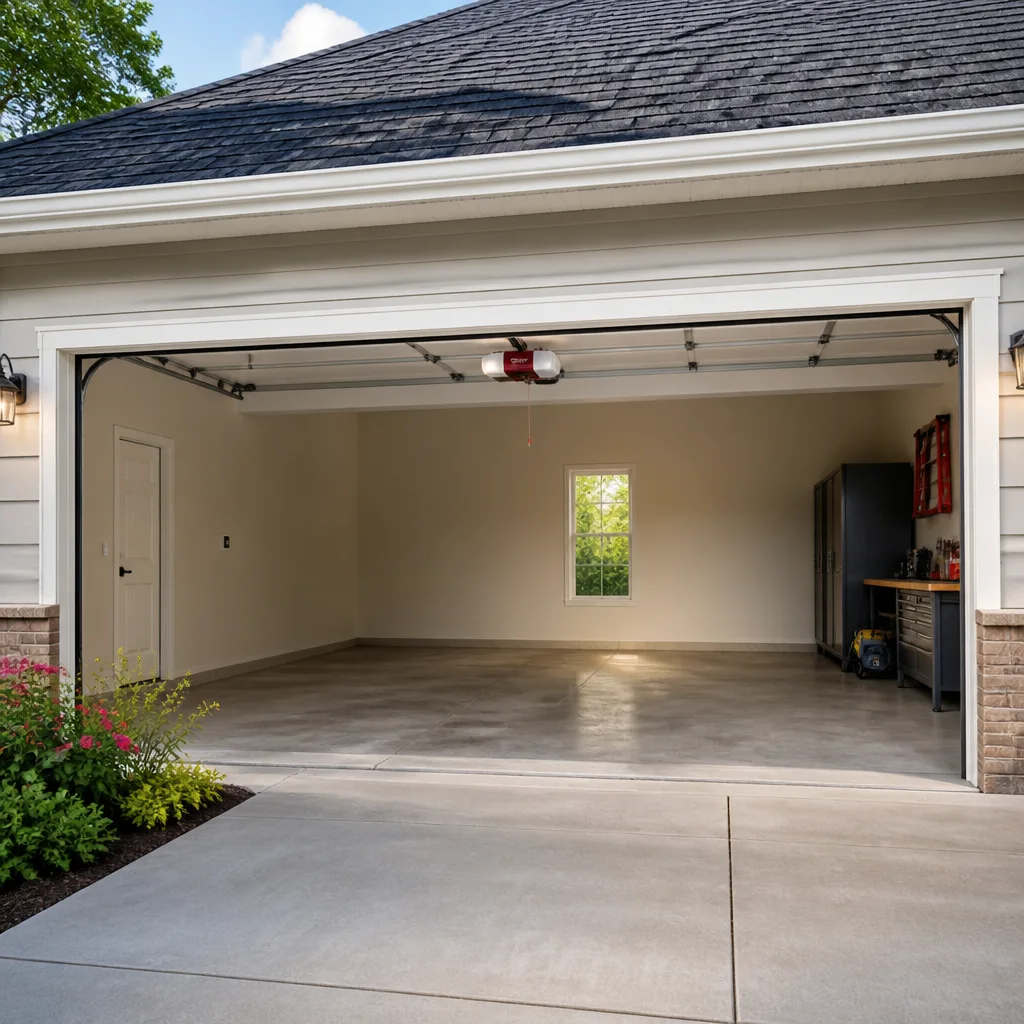 LiftMaster openers
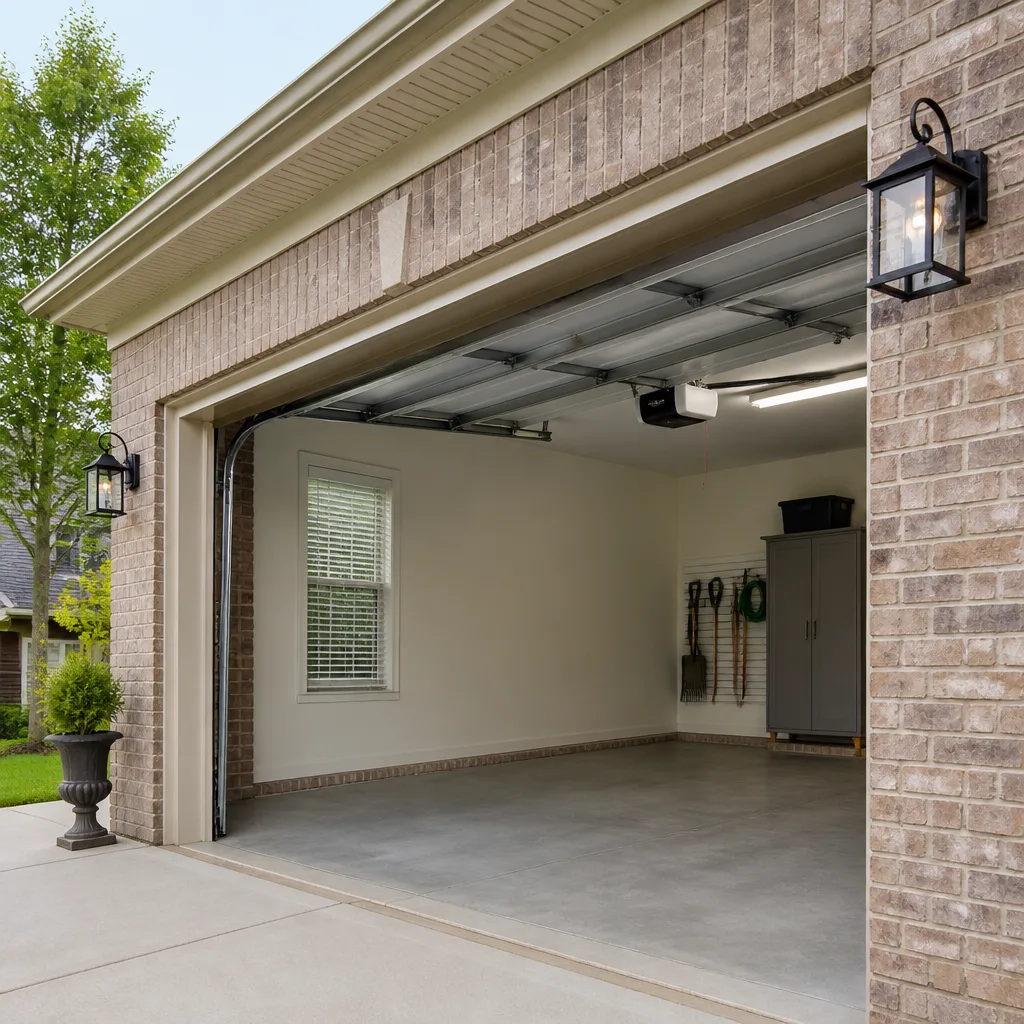 Chamberlain openers
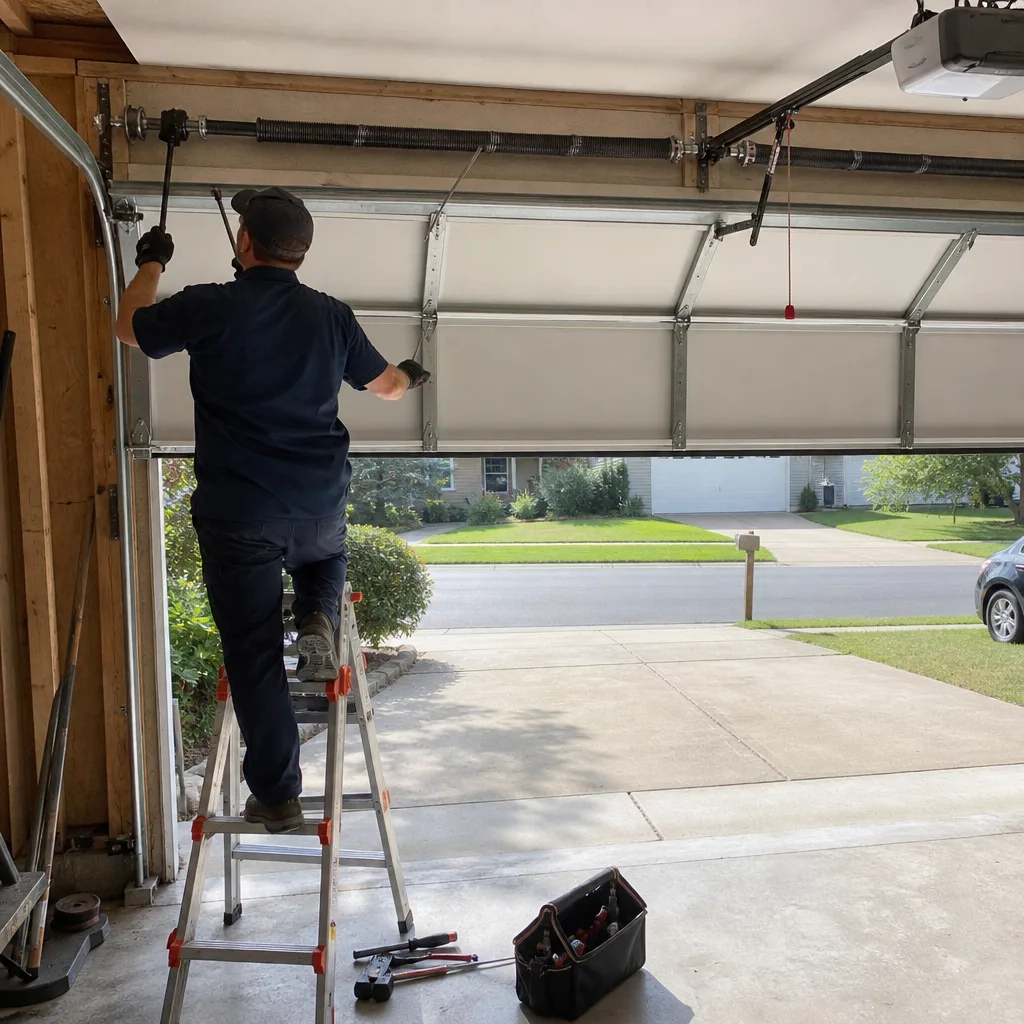
Full 25-point door and opener safety check with every visit - springs, cables, rollers, tracks, and your LiftMaster or Chamberlain opener included
You get a price before we start. It does not change when the pro arrives.
Get your free estimateThe Complete Guide to Garage Doors in Chesapeake
Most homeowners spend more time picking a refrigerator than specifying their garage door, even though the door is the largest moving object on the house and the first line of defense against a Chesapeake nor’easter. That mismatch has real consequences here. A door specced for a dry inland climate can start showing hinge corrosion within a couple of seasons in Hampton Roads humidity. A door picked purely for looks can fail an HOA architectural review two weeks before installation. And a homeowner who doesn’t know what an R-value or a wind-load rating means can end up paying for performance they never get. This guide walks through the whole picture: climate, code, HOA requirements, spec sheets, and the full service lifecycle, so you can make a decision that holds up in Chesapeake weather and Chesapeake subdivisions.
Quick Answer
A garage door in Chesapeake needs three things most generic guides skip: corrosion-resistant hardware for Hampton Roads humidity, a wind-load rating that meets Virginia’s coastal exposure requirements for new installs, and a style that passes your subdivision’s HOA architectural review. Beyond that, the right door depends on your budget, your opener, and how long you plan to stay. This guide explains each factor and how they interact.
Styles & brands we work with
- Raised-panel steel
- Carriage house
- Modern flush
- Full-view glass
- LiftMaster openers
- Chamberlain openers
Table of Contents
- How Chesapeake’s Climate Affects Your Garage Door
- Wind Load Ratings and Virginia Code for New Installs
- HOA Architectural Review in Chesapeake Subdivisions
- Steel, Aluminum, Wood, or Composite: Which Holds Up Here
- How to Read a Garage Door Spec Sheet
- The Full Service Lifecycle of a Garage Door
- Your Opener Matters as Much as Your Door
- Common Mistakes to Avoid
- When to Call a Professional
- Frequently Asked Questions
How Chesapeake’s Climate Affects Your Garage Door
Hampton Roads humidity is the single biggest reason garage doors age faster here than the manufacturer’s literature suggests. Average summer humidity sits high enough that condensation forms on cold steel panels, and that moisture works its way into hinges, rollers, bottom brackets, and the seams between sections. Add the region’s salt air exposure from the wider Hampton Roads basin and you get accelerated corrosion on any hardware that isn’t rated for it. This isn’t a cosmetic issue. Corroded hinges bind, binding hinges strain the opener, and a strained opener wears out springs faster.
The practical result is that a garage door in Chesapeake usually needs hardware attention earlier than the same door in a drier climate. What we see in the field:
- Standard zinc-plated hinges and fasteners show surface rust faster than the panels themselves.
- Bottom weather seals crack and harden sooner because they cycle through heat and humidity extremes.
- Steel panels with factory paint hold up well, but field-cut or drilled edges are where rust starts.
- Wood doors need sealing more often than the manufacturer’s schedule suggests.
The fix isn’t exotic. On new installs, ask for hot-dip galvanized or stainless hardware at the hinges, brackets, and rollers. On existing doors, an annual inspection that catches the first sign of rust saves the cost of a spring or opener replacement later. If your door already has visible corrosion on the moving hardware, that’s a repair issue, not a replacement issue, and a specialist can address it long before the panels themselves are compromised.
Wind Load Ratings and Virginia Code for New Installs
New garage door installations in Chesapeake fall under Virginia’s building code, which references wind-load requirements tied to the property’s exposure category. Chesapeake sits in a region where hurricane-season wind loads are a real design input, not an abstract one. That means a new door needs a manufacturer wind-load rating documented on the spec sheet, and in many cases the door needs a reinforcement strut or a specific track and anchor configuration to hit that rating.
The paperwork matters as much as the hardware. Here’s how a properly specced new install typically goes:
- Confirm your jurisdiction’s requirement. Ask the City of Chesapeake’s building department what wind-load rating your address requires before you order a door. Requirements vary by exposure and by whether the door is on an attached or detached structure.
- Get the manufacturer’s wind-load documentation in writing. The spec sheet should state the rating at the width and height you’re installing, not just at a nominal size.
- Match the reinforcement to the rating. A door rated for high wind load usually needs added struts, heavier gauge track, and a specific anchor schedule.
- Keep the paperwork. If your subdivision has an HOA, and most Chesapeake subdivisions do, that documentation often goes into the architectural review file.
Wind load isn’t just a code question. A door that’s under-rated for its opening flexes in a strong nor’easter, and flexing bends panels and misaligns tracks. If you’re replacing a door, the wind rating is a spec line to read before you read the color options.
HOA Architectural Review in Chesapeake Subdivisions
HOA architectural review is where a lot of Chesapeake door replacements get delayed, and almost always because the homeowner picked the door before reading the covenant. Most subdivisions here have written guidelines covering door style, panel configuration, window presence, and color. Some require a specific manufacturer line. Some prohibit carriage-house styles. Some approve in days, some take weeks.
The sequence that avoids trouble:
- Pull your HOA’s architectural guidelines before you shop. The document usually specifies approved colors, panel styles, and whether windows are permitted.
- Match the style and color to the covenant, then optimize for performance. Once the style is locked, you have room to choose a better gauge steel or a higher R-value insulation without fighting the review board.
- Submit the manufacturer’s spec sheet and elevation drawing with your application. Review boards move faster when the packet is complete.
- Get written approval before ordering. A verbal yes from a board member isn’t approval. Order only after the written authorization is in hand.
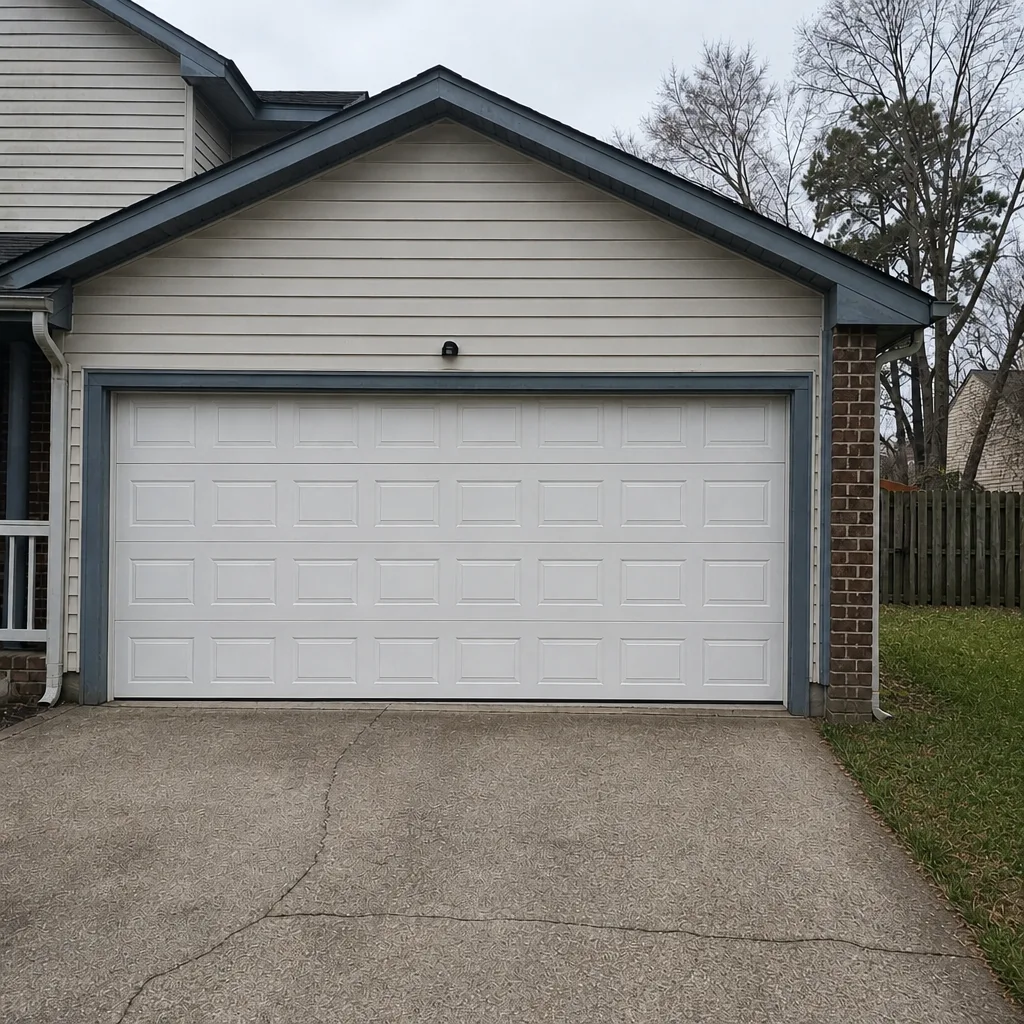
The goal is to spec a door that passes review without sacrificing what you need from it. A well-insulated steel door with a clean raised-panel profile usually clears review and performs well. A decorative carriage-house door might not clear review at all, even if it’s the better door.
Steel, Aluminum, Wood, or Composite: Which Holds Up Here
Steel is the right answer for most Chesapeake homes, but the gauge and finish matter more than the material name. A 24-gauge steel door with a factory-applied finish and galvanized hardware will outperform a 27-gauge door at the same price point in this climate. The heavier gauge resists panel flex under wind load, and the better finish handles the humidity cycling.
- Steel (24 or 25 gauge): Best balance of cost, durability, and wind-load performance for most homes. Look for factory-painted panels and galvanized or stainless hinges.
- Aluminum: Lighter and fully rust-proof, but dents more easily and offers less wind-load performance per dollar. Reasonable for very small openings and full-view designs.
- Wood: Beautiful and HOA-friendly in some subdivisions, but needs re-sealing on a shorter cycle here than the manufacturer suggests. The humidity cycling is harder on wood than on steel.
- Composite: The longest service life in this climate. Higher upfront cost. Worth it if the door is your last replacement on this house.
Whatever material you choose, ask specifically about hardware. The panels get the marketing attention, but it’s the hinges, rollers, and bottom brackets that corrode first in Hampton Roads. Spec steel doors from Clopay and Amarr are widely owned in Chesapeake, so parts and replacements are straightforward when tune-ups or repairs come up later.
How to Read a Garage Door Spec Sheet
Spec sheets are written for contractors and builders, which means homeowners tend to skip the parts that matter most. The four numbers that decide how a door actually performs are R-value, steel gauge, section thickness, and hardware grade. Here’s what each one means in plain terms.
- R-value measures insulation performance. Higher R-value means the door resists heat transfer better. A door facing the sun on a Chesapeake western exposure benefits meaningfully from a higher R-value, and an attached garage with living space above it benefits even more.
- Gauge measures steel thickness, and lower numbers mean thicker steel (24-gauge is thicker than 27-gauge). For wind-load performance and dent resistance, 24-gauge is the practical minimum.
- Section thickness is the overall depth of an insulated panel. A thicker section usually carries more insulation and resists flex better. Thickness isn’t the same as R-value, but thick sections tend to test higher.
- Hardware grade covers the hinges, rollers, and brackets. This is where the manufacturer cuts corners to hit a price point. Ask whether the standard hardware is rated for a humid environment, and don’t settle for a vague answer.
A spec sheet that lists all four is a good sign. A spec sheet that lists R-value and color and nothing else is one to put down.
The Full Service Lifecycle of a Garage Door
Most homeowners think about their garage door twice: when they install it and when it breaks. In practice, a door goes through four distinct stages, and knowing what each stage needs saves money and frustration.
Stage 1: Installation
The design and install stage sets the ceiling on what the door can do. Wind-load rating, hardware grade, and opener compatibility are all decided here. A door installed with the wrong track schedule can’t be upgraded later without a rebuild, so the install is the stage where over-spec is cheaper than under-spec.
Stage 2: Routine Tune-Ups
Springs, rollers, hinges, and the bottom seal are wear parts. In a Hampton Roads climate, annual service is the realistic cadence. A tune-up catches rust on the hardware early, rebalances spring tension, and lubricates moving parts before friction causes wear. Most owners who keep their door this long don’t need a replacement for years beyond the manufacturer’s nominal service interval.
Stage 3: Mid-Life Parts Replacement
Somewhere around the halfway mark of the door’s life, individual components need replacement even though the panels are fine. Springs, rollers, cables, and the bottom seal are the usual candidates. This is the stage where brand familiarity makes a difference: a technician who works on Chamberlain and Genie systems regularly can diagnose an opener fault without guesswork, and a door originally built with Clopay or Amarr components is straightforward to source parts for.
Stage 4: Full Replacement
Replacement makes sense when the panels are structurally compromised, when the wind-load rating no longer meets code for the address, or when the door has reached the point where repair costs exceed the value of the system. This is also the natural point to upgrade the opener at the same time, since the two systems wear together.
Your Opener Matters as Much as Your Door
Homeowners often treat the opener as an accessory to the door. It isn’t. A heavy door paired with an undersized opener wears both out faster. A modern door on an old opener won’t get the benefits the door was bought for. The two systems are one mechanical unit as far as wear is concerned.
Three things to know about how openers fit into the lifecycle:
- The opener needs to match the door weight and spring tension. A door with a heavy panel or a higher wind-load rating can exceed the lift capacity of a mid-range opener, and the mismatch shows up as strain on the motor and the gears.
- Opener faults aren’t always opener faults. A door that reverses unexpectedly might have a misaligned track, a stiff roller, or a failing spring that’s confusing the opener’s safety sensor. Diagnosing the source is where a specialist saves you money.
- Opener electronics deserve a technician who knows them. LiftMaster, Chamberlain, and Genie systems have their own fault codes and sensor logic. A general handyman often can’t read them, which is why focused garage door opener repair is worth having on your call list.
When an opener needs replacement or repair, matching the new unit to the door’s weight and the home’s actual usage pattern matters more than brand preference. A specialist will recommend what fits the door, not what’s easiest to install.
Common Mistakes to Avoid
- Buying the door before reading the HOA covenant. In Chesapeake subdivisions this is the top source of replacement delays and lost deposits. Pull the architectural guidelines first, every time.
- Ignoring wind-load rating as a “code formality.” It isn’t. A door under-rated for its opening flexes in hurricane-season wind, bends panels, and misaligns tracks. The rating is a performance spec, not a checkbox.
- Picking hardware by price. Standard zinc-plated hardware is the first thing to corrode in Hampton Roads humidity. Upgrading to galvanized or stainless costs less than replacing the door earlier than necessary.
- Treating the opener as a separate purchase. A door and an opener are one system. Matching them at install prevents strain on the motor and gears.
- Skipping annual tune-ups. Rolling friction is what wears out springs and opener gears. Lubrication and balance checks during a tune-up are the cheapest maintenance a garage door needs.
- Hiring a generalist for a garage door problem. A handyman can replace a hinge. Diagnosing a spring, an opener fault, or a wind-load spec issue takes focused experience.
- Comparing doors only by price. A door priced $300 less with thinner steel and lower-grade hardware will cost that difference back within a few seasons in this climate.
When to Call a Professional
Some garage door tasks are safe for a homeowner. Checking the door balance by disconnecting the opener and lifting it halfway is fine. Visual inspection for rust on the panels and hardware is fine. Adjusting the opener’s limit settings is fine. But high-tension springs and torsion bars are genuinely dangerous: they store enough energy to cause serious injury, and a wrong adjustment can release that energy unexpectedly. A tangled cable needs a professional too, since the cable is spring-loaded and can whip. And any opener or electrical work behind the opener’s power supply should go to a technician who knows the system.
Beyond safety, there are three situations where a specialist is the better call: an HOA architectural review that needs a spec sheet and elevation drawing, a wind-load rating question tied to a Virginia code requirement, and a door or opener that’s misbehaving in a way that could be caused by either system. Highpoint Garage Door Service offers free estimates in Chesapeake and works on both the mechanical door and the electronic opener components. If you’re not sure which system is causing the problem, call (877) 309-4107. We answer 24/7, with fast dispatch from 7am to 7pm, Sunday through Friday.
Frequently Asked Questions
It depends on your address, exposure category, and whether the door is on an attached or detached structure, so the required rating is set by your jurisdiction. Ask the City of Chesapeake’s building department before ordering a door. The manufacturer’s spec sheet should document the rating at your exact width and height, and any required reinforcement should be included in the quote.
Pull your HOA’s written guidelines before you shop, then match the style and color to the covenant and optimize for performance within those limits. Submit the manufacturer’s spec sheet and elevation drawing with the application. Get written approval before ordering the door. A well-insulated steel door in a clean raised-panel profile usually clears review and performs well in Chesapeake humidity.
Steel with a heavier gauge and upgraded hardware is the best balance for most Chesapeake homes. A 24-gauge door with factory-painted panels and galvanized or stainless hinges resists the humidity cycling well. Composite lasts longer but costs more upfront. Wood needs more frequent re-sealing here than the manufacturer’s schedule suggests, and standard zinc-plated hardware corrodes faster than either steel or composite panels.
Once a year is the realistic cadence in this climate. The annual service should cover spring tension and balance, roller and hinge lubrication, the bottom seal, and a hardware inspection for rust. Rolling friction is what wears out springs and opener gears, and lubrication during a tune-up is the cheapest way to extend both. A residential door typically gets a mid-life parts replacement stage before full replacement becomes the right call.
Yes, and you should. The opener has to be rated for the door’s weight and spring tension. A heavy panel or a higher wind-load door can exceed the lift capacity of a mid-range opener, and the strain shows up quickly on the motor and gears. Brands like LiftMaster, Chamberlain, and Genie each have their own fault codes and sensor logic, so let a technician who knows the system confirm the match rather than relying on the opener’s box copy.
Often yes, because wind-load requirements are tied to the property’s exposure category and the local building department’s interpretation of the Virginia code. Two homes in different Chesapeake subdivisions can face different requirements for the same door size. That’s why the spec sheet and the building department’s answer go together, and why a door picked from a national catalog without local input can create code problems at install time.
The Bottom Line
A garage door is the largest moving object on a Chesapeake home and the first line of defense against a nor’easter. The choices that matter most here are the ones national guides skip: corrosion-resistant hardware for Hampton Roads humidity, a wind-load rating that meets the code requirement for the address, and a style that clears HOA architectural review before you order. Read the spec sheet for R-value, steel gauge, section thickness, and hardware grade, not just color. Plan for the whole service lifecycle: install, annual tune-up, mid-life parts replacement, eventual full replacement. And match the opener to the door, since the two systems wear together. Our technicians have up to 15 years of experience working across the most widely-owned door and opener brands, including Chamberlain, Genie, Clopay, and Amarr.
Whether your door is a year from install or a year from replacement, Highpoint Garage Door Service offers focused garage door repair and full new installation with free estimates. Call (877) 309-4107 for a free estimate. We answer 24/7, with fast dispatch from 7am to 7pm, Sunday through Friday. If you want to know how the rest of Chesapeake handles their garage doors, we’re glad to walk through the details before you commit to a decision.
Written by the team at Highpoint Garage Door Service.
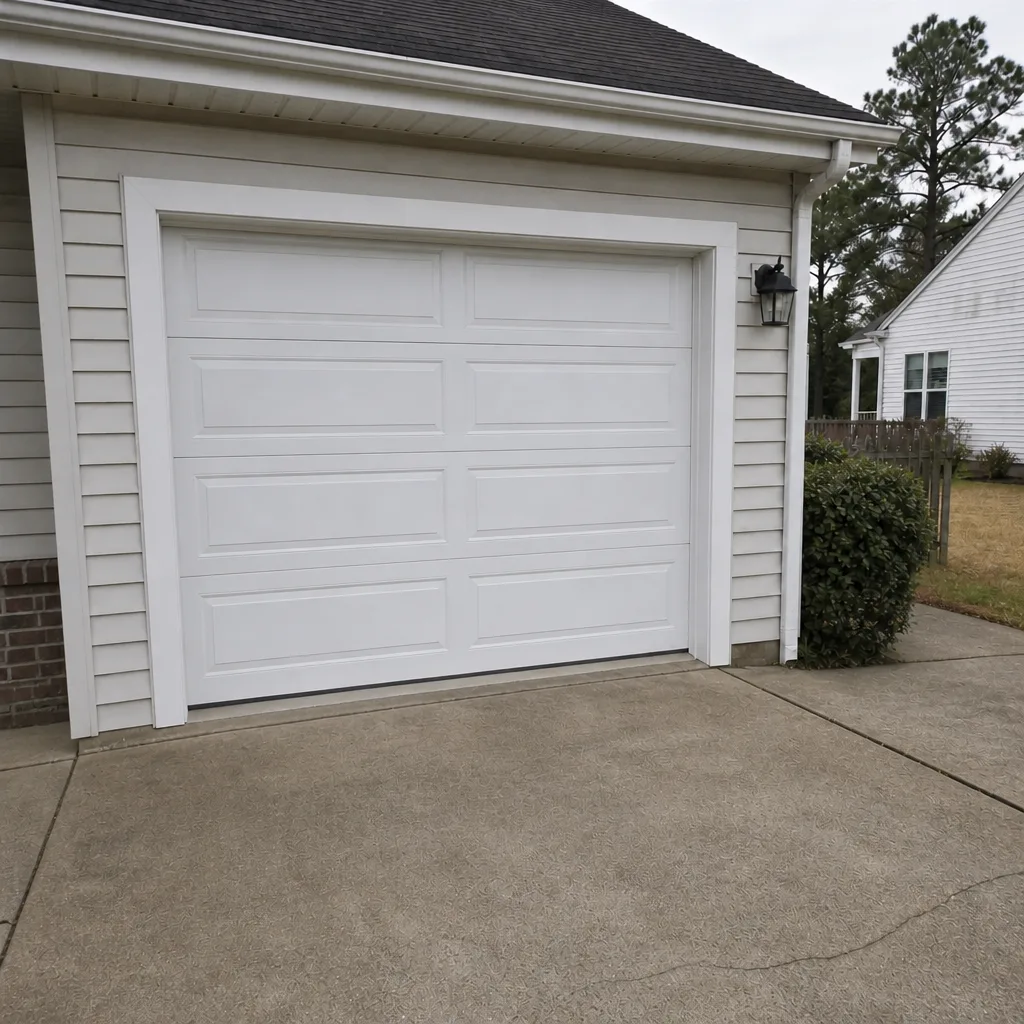
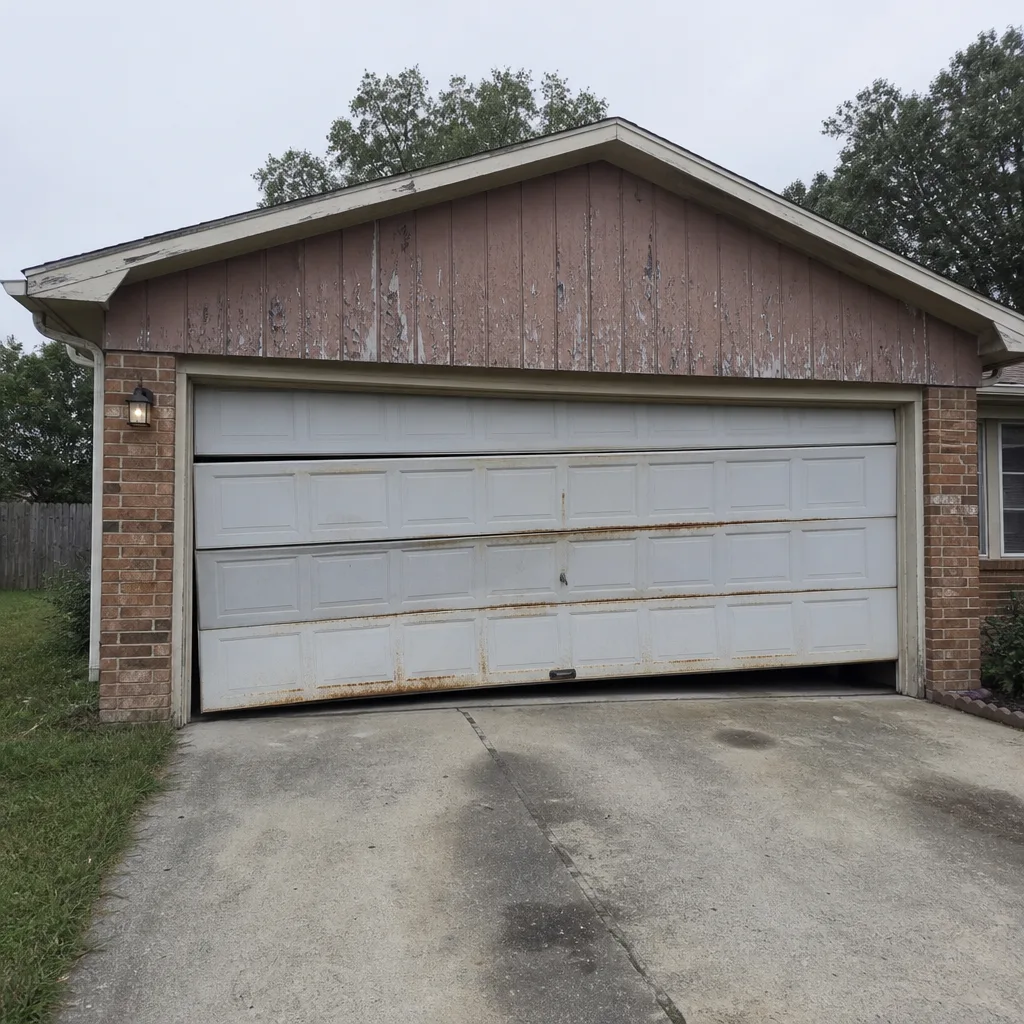
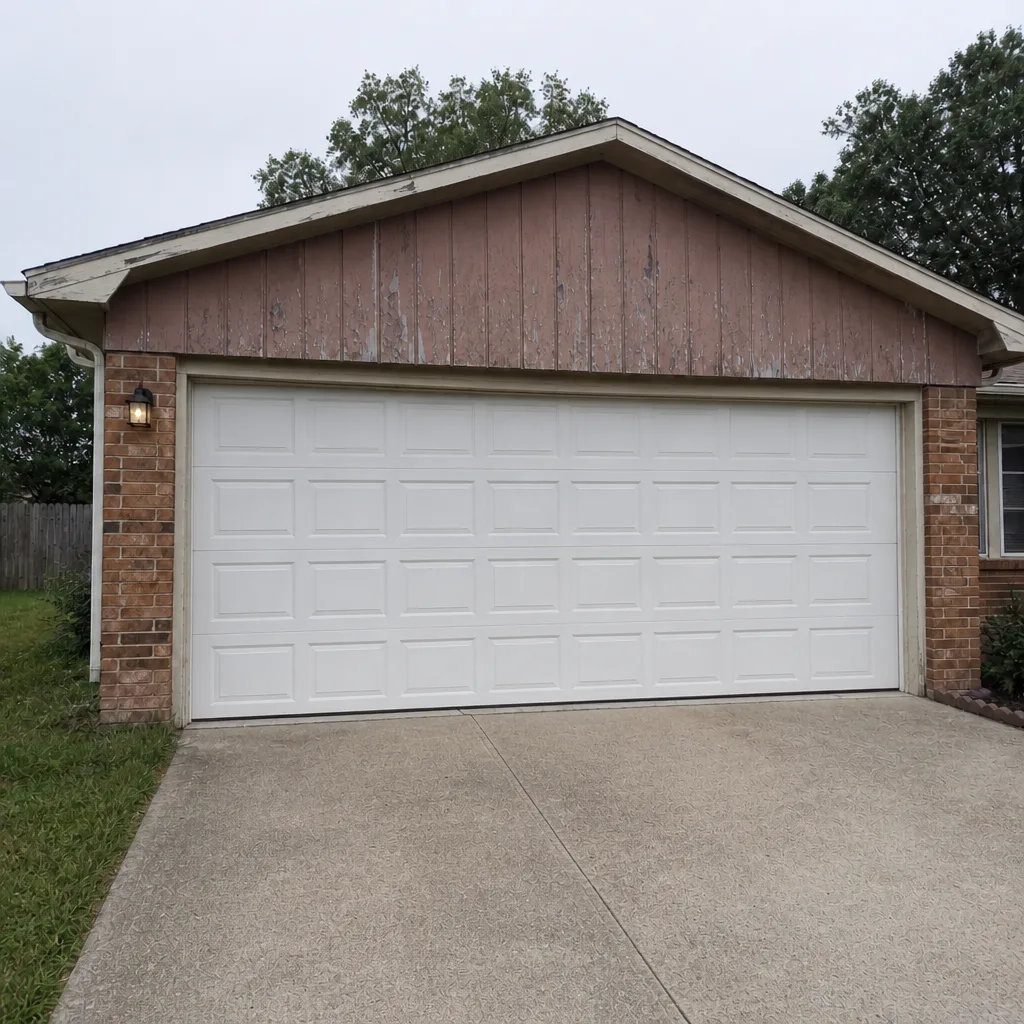
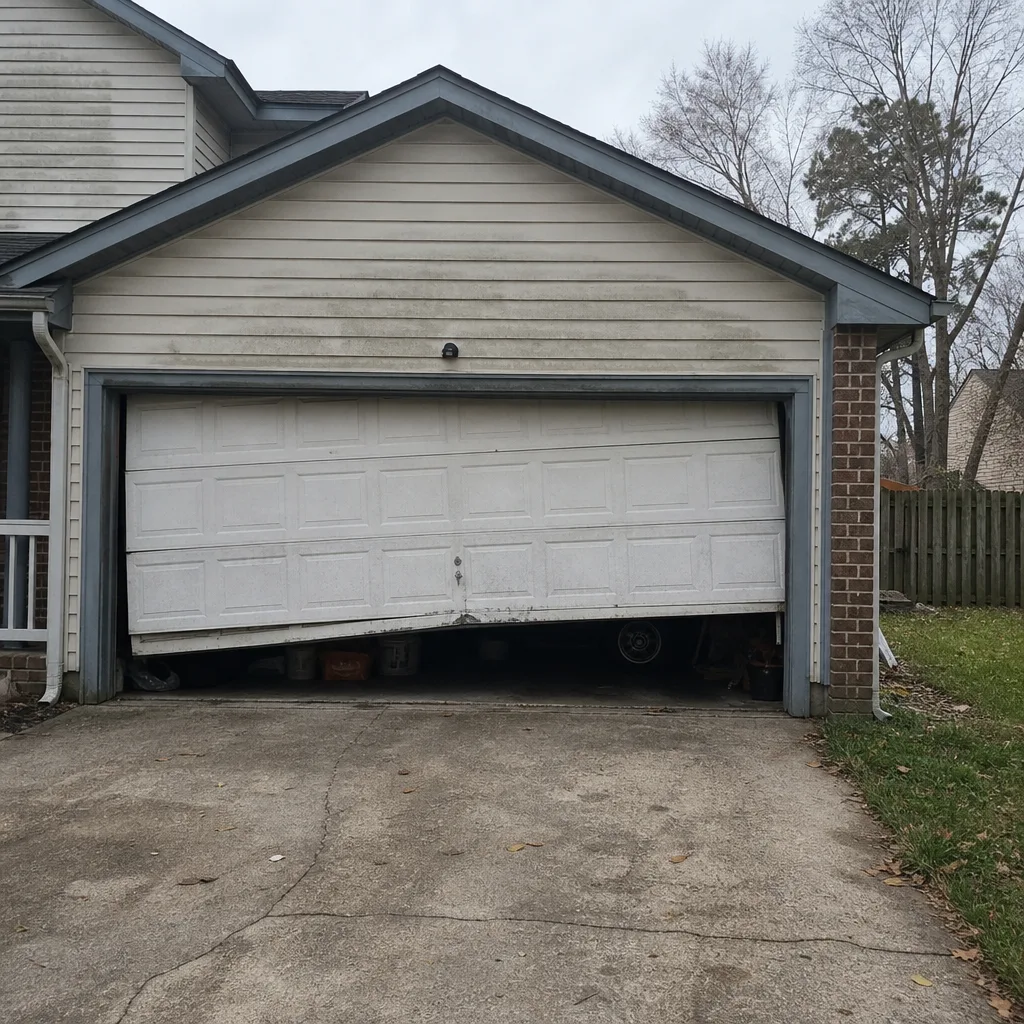
See the difference
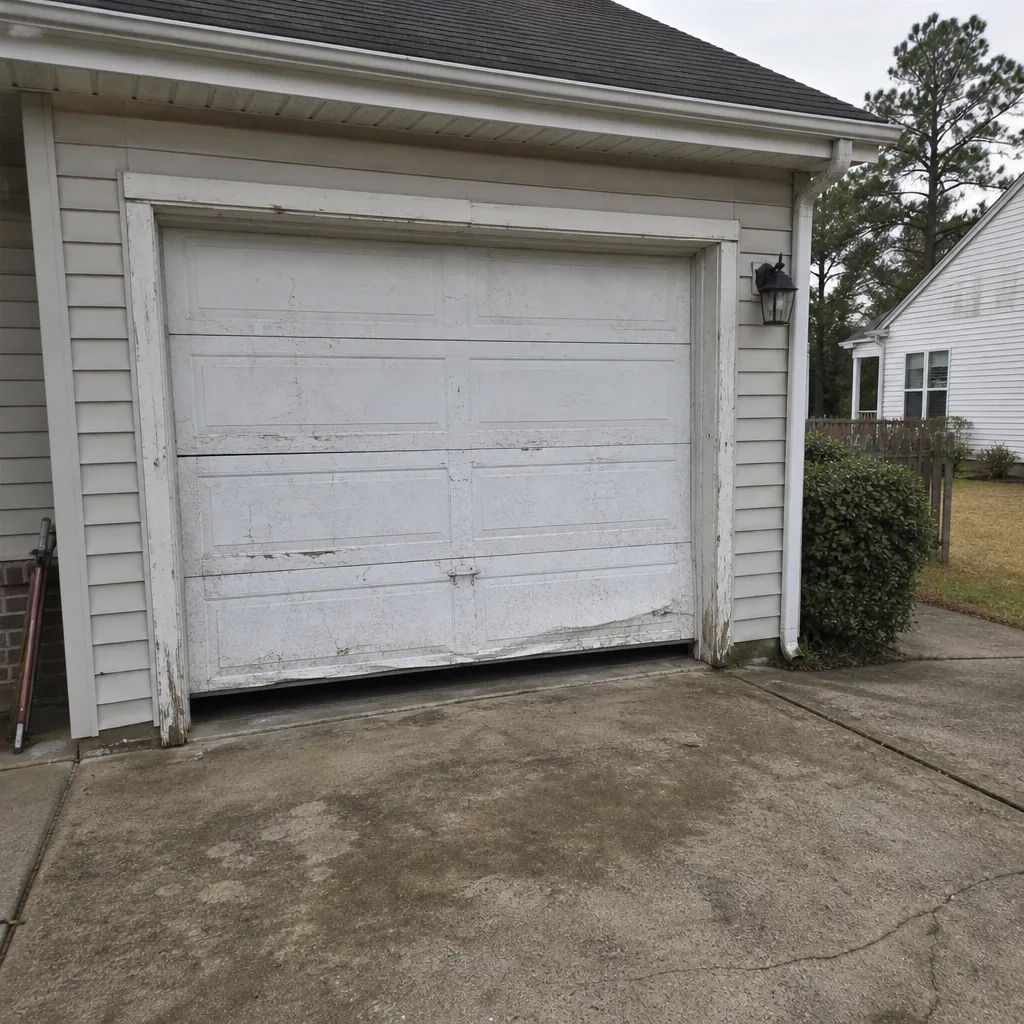 Before
 After
 Before
 After
 Before
 After